
Veran Matić: The previous year was the worst for media workers.
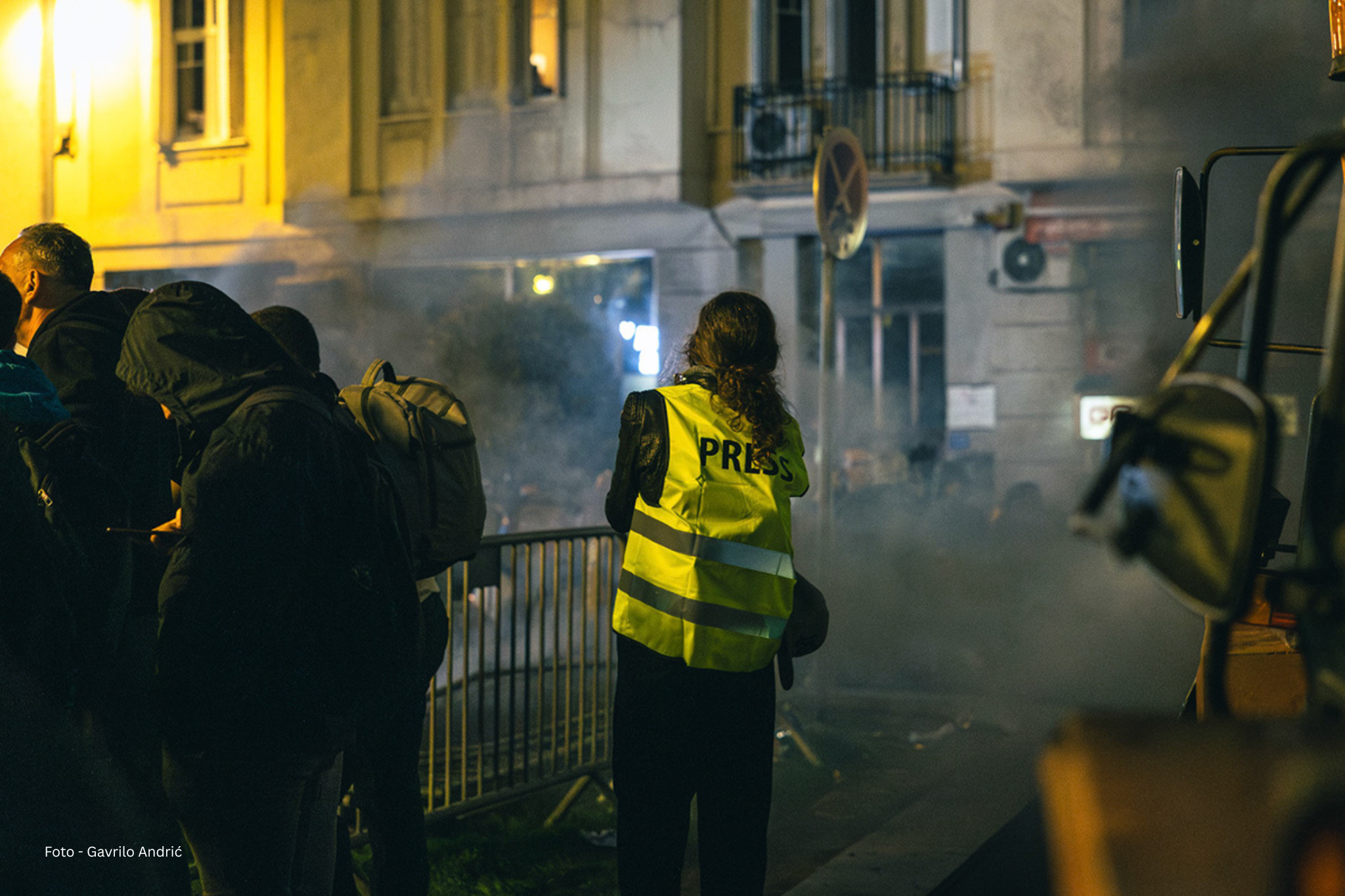
The journalists' fieldwork, marked by helmets, masks, yellow vests, and identification badges, defined the work of reporters in the previous year. However, protective gear was sometimes insufficient, and the press vest often became a target for violence, which was perpetrated against journalists by aggressors, including police officers.
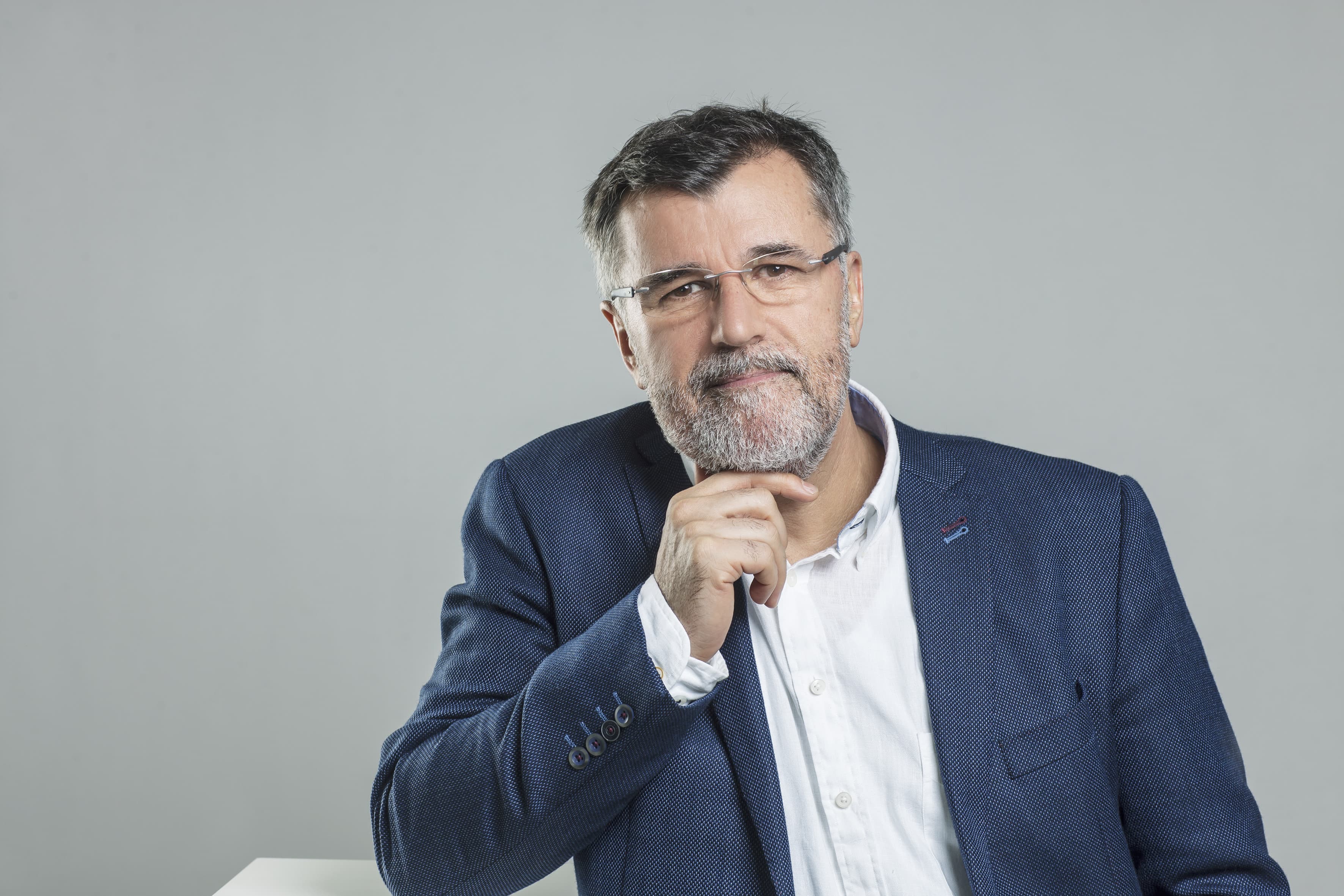
The Association of Independent Electronic Media (ANEM) has recorded a drastic deterioration in the media situation in Serbia over the past year, although media freedoms had been significantly restricted in previous years. The President of the ANEM Board and founder of Radio B92, Veran Matić, in an interview for Storyteller, assesses that the past year was the toughest for the media, but it also presented an opportunity for media workers to demonstrate their courage and solidarity, which is stronger than the pressures.
How would you describe the past year for media workers?
Veran Matić: The past year was the worst, or rather the most complex year for media workers in the last 25 years. They responded with top-notch journalism and engagement. However, a segment of the community, which calls itself the media, has shown that there are no limits to lies and defamation, especially when professional journalists and media are targeted.
How do you define courage in journalism?
Veran Matić: When it comes to journalism, I define courage as consistency in respecting the Journalists' Code of Ethics, even in turbulent times. Courage is not just standing in front of an aggressor and documenting violence – it is also when you investigate crime for months and publish reports that inform citizens about essential public facts, which can force the government to resign, send ministers to prison, and expose corruption and illegal activities.
Were journalists forced to be courageous in the past year?
Veran Matić: I was amazed by how easily female and male journalists, photographers, and cameramen, as well as numerous activists and students who had never previously engaged in journalism, courageously reported from protests, from violent police interventions, and attacks by members of criminal groups and hooligans. Often risking their safety, they documented the evil inflicted upon students and citizens with their cameras, mobile phones, and microphones. I am sure that their actions contributed to reducing violence compared to what it would have been without that courage.
Did they have a choice?
Veran Matić: There is always a possibility of choice. However, many journalists and editorial teams decided to work strongly in favor of the public interest, for the citizens, those who have been relentlessly attacked, those who have fought for the rule of law and the functioning of institutions, for universal values – while respecting and applying the Journalists' Code of Ethics.
However, there were also those who chose to violate and nullify every tenet of the journalistic code and to become violent media operatives in the service of a criminal regime.
In several decades of journalistic experience, in such challenging times when freedoms are attacked violently, the best journalists have emerged, and media have strengthened even when they were banned and stripped of all their assets. I believe that this can happen again now.
NUNS recorded over 370 pressures and attacks on journalists and editorial teams in the past year, while UNS reported 261 cases, which is 150 more than in 2024. How do you explain this data?
Veran Matić: For several years now, we have been feeling changes in the judiciary's attitude towards journalists and media, reflected in the increasingly weaker protection of freedom of speech and media. During 2024, I noticed the first serious anomaly compared to previous years: the police largely obstructed investigative actions and in more than half of the reported cases of threats and attacks, did not respond to requests from the prosecution for information gathering. This has led to only one or two convictions against aggressors.
Impunity is a strong encouragement for the rise in violence. At the very beginning of the protests, so-called "loyalists," aggressors from the ruling party, were used to attack media workers in the presence of police who either did not react or removed the attacked journalists from the scene. When this did not yield results, members of intervention units themselves began to attack journalists.
To this day, no one has been prosecuted or punished for these attacks. I believe there were orders to prevent the documentation of violence against demonstrators or to remove journalists from sensitive locations, such as the paramilitary camp in Pioneer Park in front of the Serbian Assembly. The so-called "Ćaciland" is a clear example of testing the citizens of Serbia for the introduction of dictatorship. Over 27 female and male journalists and media workers were attacked there, and only one attacker has been identified – thanks to investigative journalists from KRIK and Radio Free Europe, as well as the victim herself, a colleague from Insider TV.
What are the main challenges that journalists and editorial teams faced in the past year, apart from attacks and pressures?
Veran Matić: The biggest problem for professional journalists and media is that they must simultaneously fight for survival and independence. Political and economic pressures threaten the very existence of media and their capacity to inform citizens. The right to information is the foundation of all other human rights, which is why authoritarian regimes first attack journalists.
Independent media, including local ones, have been completely deprived of access to state funds through project co-financing. More than 15 million euros from these funds have practically been embezzled through illegal distribution to obedient media groups.
At the same time, media have also lost a significant part of international aid.
The media space is filled with lies and hate speech from pro-government media, which have significantly greater power and reach. The truth that comes from independent and local media struggles to reach citizens, but these limitations have been partially overcome through smart and effective use of the internet and social media.
A special challenge is the situation in which media face synchronized pressures: constant threats, targeting and defamation from the highest authorities, hate speech, accusations of being traitors and mercenaries without any arguments, as well as SLAPP lawsuits that threaten imprisonment, work bans, and high financial penalties. When this is combined with a large number of unresolved cases and the feeling that the state is against you, a deep sense of helplessness arises. In such circumstances, only journalistic solidarity can help, and it has been stronger in the past year than before.
What contribution have independent local media made to developing democratic awareness and freeing people from fear in the past year?
Veran Matić: Local media have played an extremely significant role. Although few in number and with limited capacities, their professionalism, dedication, and tirelessness have compensated for all shortcomings. They have professionally covered events of crucial importance, both for local communities and for the national space, enabling citizens to be informed about the most important happenings in the country.
In doing so, they have contributed to restoring the reputation of journalism as the "watchdog of the public interest." Local media represent a strong barrier against the arbitrariness of local power brokers and are often alone in this fight, exposed to various forms of pressure and attacks. The liberation from fear would not have been possible to such an extent and with such permanence without their engagement.
What do we lose if we allow local independent media to disappear, and why is it important for citizens to support them?
Veran Matić: Local media prove daily how important they are for local communities, but also for society as a whole. They are small public services in the service of citizens – protecting them by making everything that happens in the community public. For citizens to feel safer and without fear, they must also protect their independent local media through actions of support, solidarity, and financial assistance, which enables more stable operation and functioning, as well as covering any unjust fines.
Traveling across Serbia, I have seen "media deserts" – large areas without independent local media. This poses a serious danger for the citizens living there, both in terms of professional information and in confronting issues created by corrupt authorities or irresponsible company owners. The empathy and solidarity of local media play a key role in protecting vulnerable social groups.
I am encouraged by the persistence of quality media such as Storyteller, student media, and media initiatives, photographers, and influencers on social media. This is a power that the regime did not count on. I hope that student accounts on social media will develop into new media, and individual initiatives will grow into small or larger editorial teams that will "patch" the media gaps created in recent years and work exclusively in the public interest.
Source: Storyteller
Related Articles
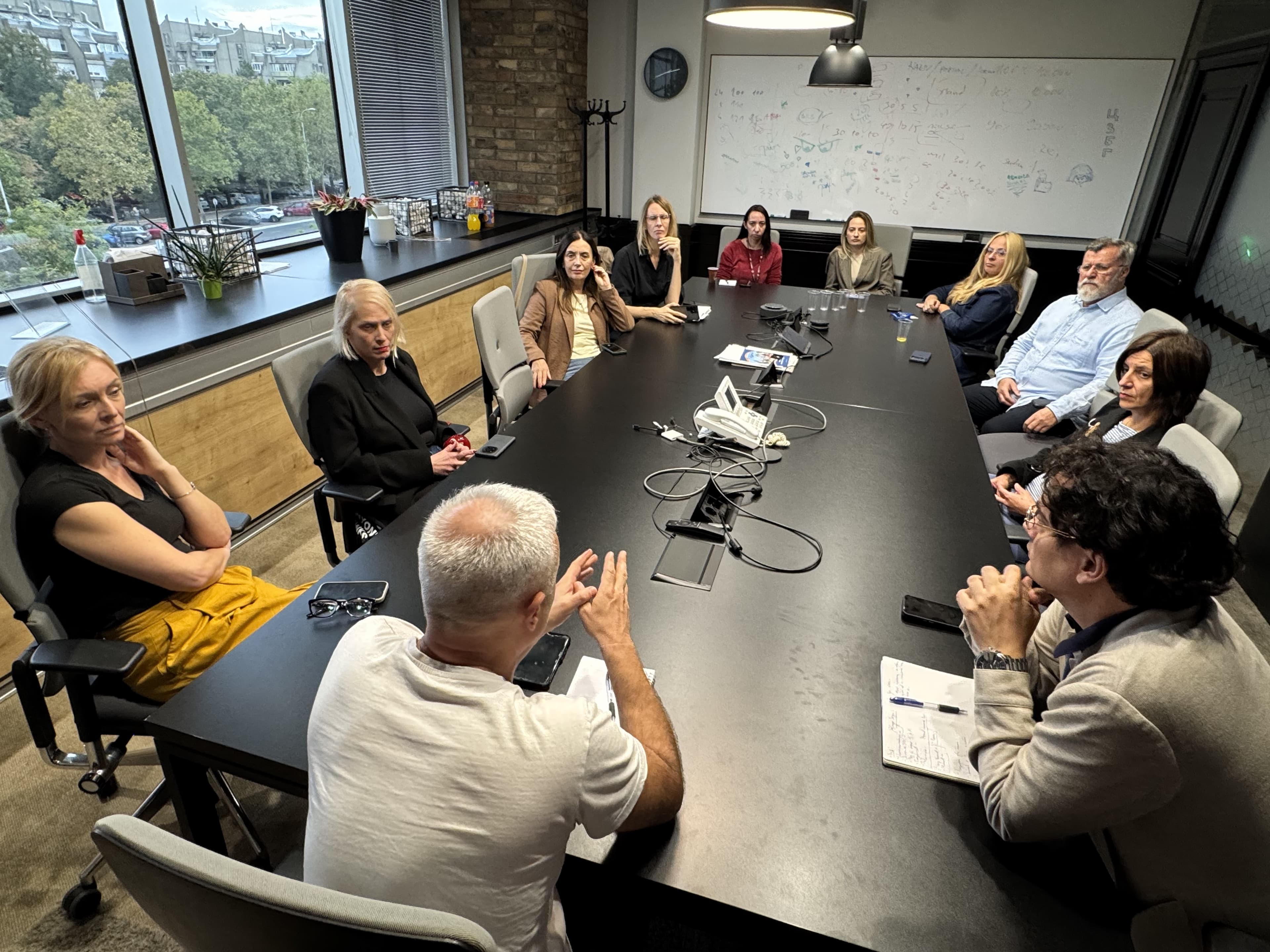
Journalistic associations provided support to the editorial team of Nova.rs: Ongoing communication and updates with international stakeholders agreed upon.

Coalition for Media Freedom: Stop Attacks and Harassment of Journalists During the Election Campaign

.png&w=3840&q=75)