
Information

Results of 156 competitions: Most funding awarded to Alo, Informer, and their subsidiary companies, followed by media companies owned by Radoica Milosavljević.
Based on the 155 completed competitions for project co-financing of media content in Serbia for the year 2026 and the supplementary competition in Vojvodina, funds totaling 1.9 billion dinars have been distributed.
"Project co-financing of media has faced a fiasco": Media and journalism associations have sent recommendations to the Ministry for changes to the process.
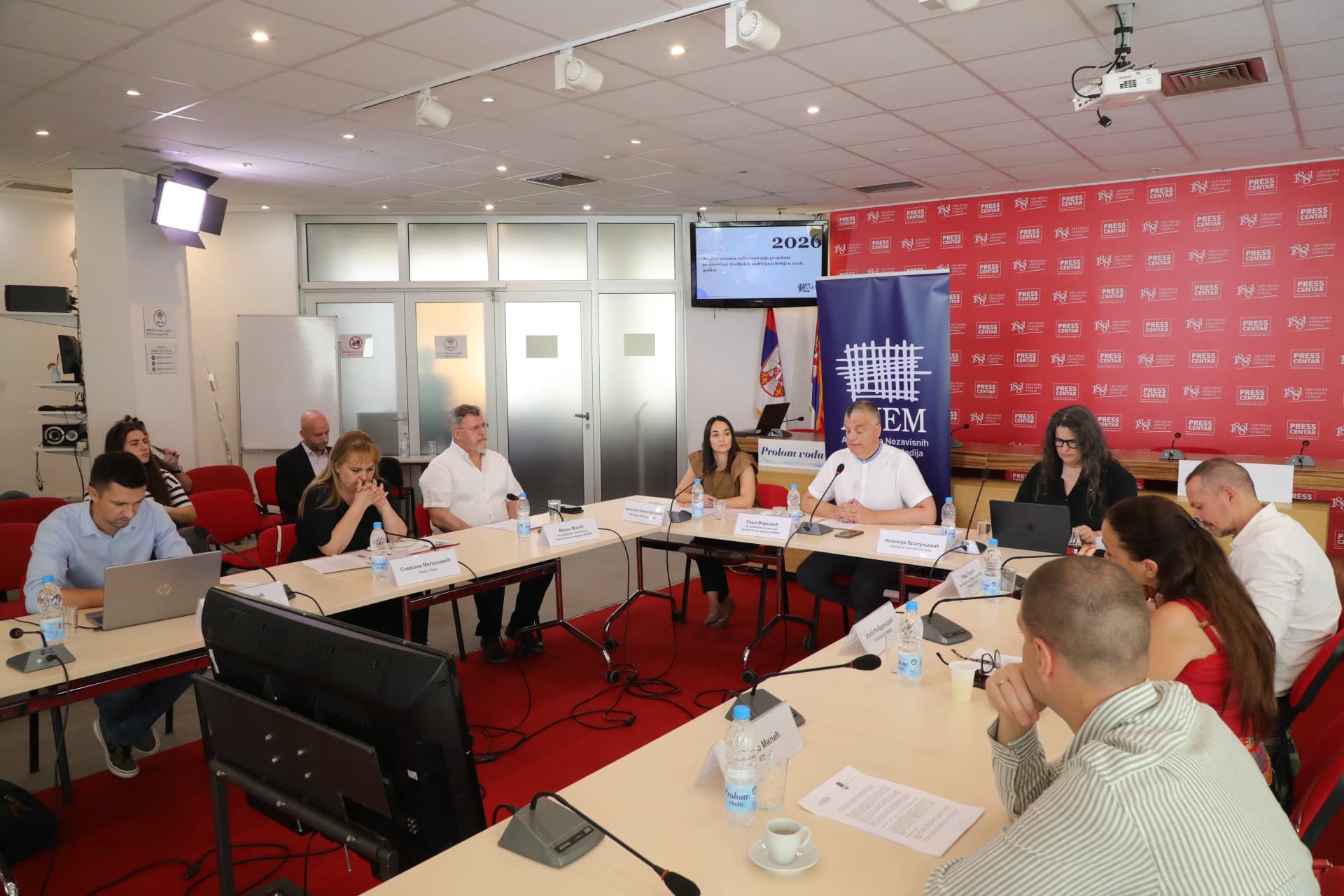
This year, project co-financing of media content in Serbia has experienced a complete failure. As a result, journalism and media associations have today sent an official letter to the Ministry of Information and Telecommunications with recommendations for improving the entire process, as stated during the presentation of the Analysis of the Project Co-Financing Process of Media Content and Recommendations, organized by the Association of Independent Electronic Media (ANEM) at the Press Center of the Journalists' Association of Serbia (UNS).
The same commission members and the same media: The five largest beneficiaries received nearly three quarters of the funds in Sandžak.
A total of 47.23 million dinars was distributed in the competitions held in Novi Pazar, Nova Varoš, Priboj, and Prijepolje. RTV Novi Pazar received 19.8 million dinars, while Slađana Ostojić, a candidate from PROUNS, served on four committees.

ANEM filed a criminal complaint against the City of Šabac for allocating 6.6 million to a media outlet that does not have an imprint.
The Association of Independent Electronic Media (ANEM) has submitted a criminal complaint to the Special Department for the Suppression of Corruption of the Higher Public Prosecutor's Office in Novi Sad against Aleksandar Pajić, the Mayor of Šabac, and unidentified individuals from the Šabac City Administration due to the allocation of 6.6 million dinars to the portal macvatv.rs in a competition for project co-financing of media content for the year 2026.

Surdulica has announced a media competition after more than five months of delay.
The municipality of Surdulica has announced a competition for project co-financing of media content after more than five months of delay.

Four local governments are delayed in the distribution of funds for media competitions.
Out of 159 announced competitions for project co-financing of media content in Serbia, 153 have been completed. In four cases, the legal deadline for making decisions on the allocation of funds has expired, and the process is still ongoing for two competitions that were announced later.

Neither budget funds nor advertisers: How do those who criticize local authorities survive?
After more than a decade of project co-financing for media, it has become evident that it does not serve to support the public interest, but rather to reward those in favor. While local media aligned with the authorities are counting millions from city, state, and provincial funds, those known for their critical voice have two approaches to project co-financing: either they apply expecting not to receive any money, or they completely boycott the competitions to avoid giving them legitimacy.
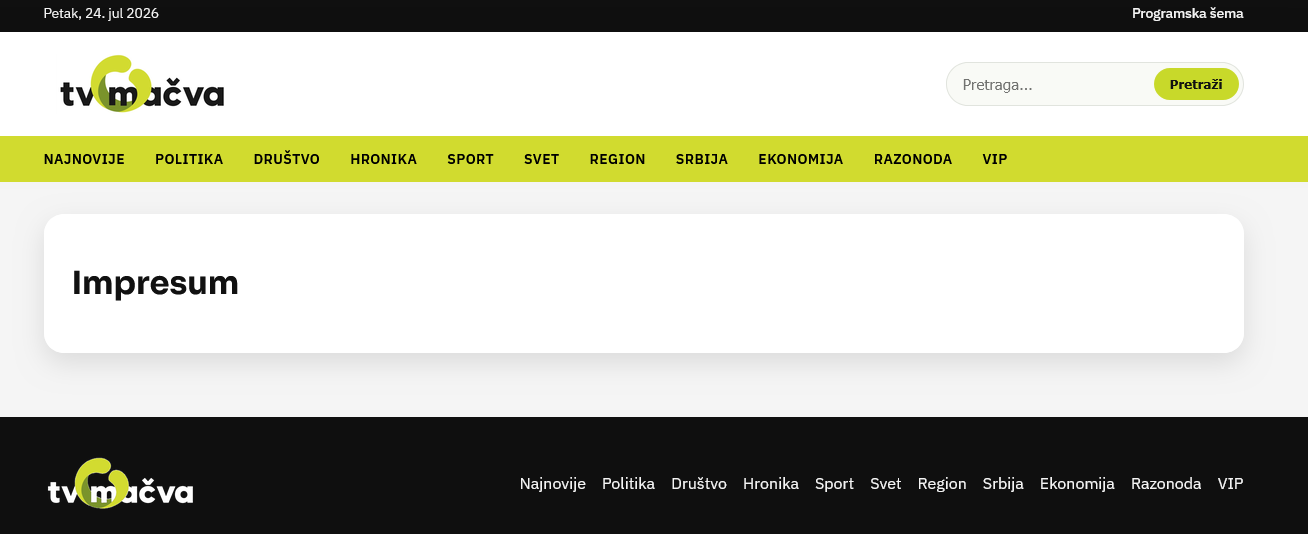
Cenzolovka: The TV Mačva portal, which received 6.6 million dinars in Šabac, does not have an Impressum.
Thanks to TV Mačva, a clone of Informer's Collegium is now in Šabac, as yet another joint operation of the tabloids Alo and Informer across Serbia. Following Čačak, Užice, Valjevo, Novi Sad, and Bačka Palanka... the network for settling scores with critics of the government is expanding.

Journalistic and Media Associations: Reassess the results of the media competition and the work of the commission in Šabac.
Journalistic and media associations (the Association of Independent Electronic Media ANEM, the Independent Journalists' Association of Serbia NUNS, Lokal Pres, and the Association of Media) demand that the local government in Šabac and the relevant Ministry of Information and Telecommunications urgently reconsider the decision regarding the allocation of funds in the competition for project co-financing of media content in that city, as well as the work of the competition committee that evaluated the projects.
Latest News
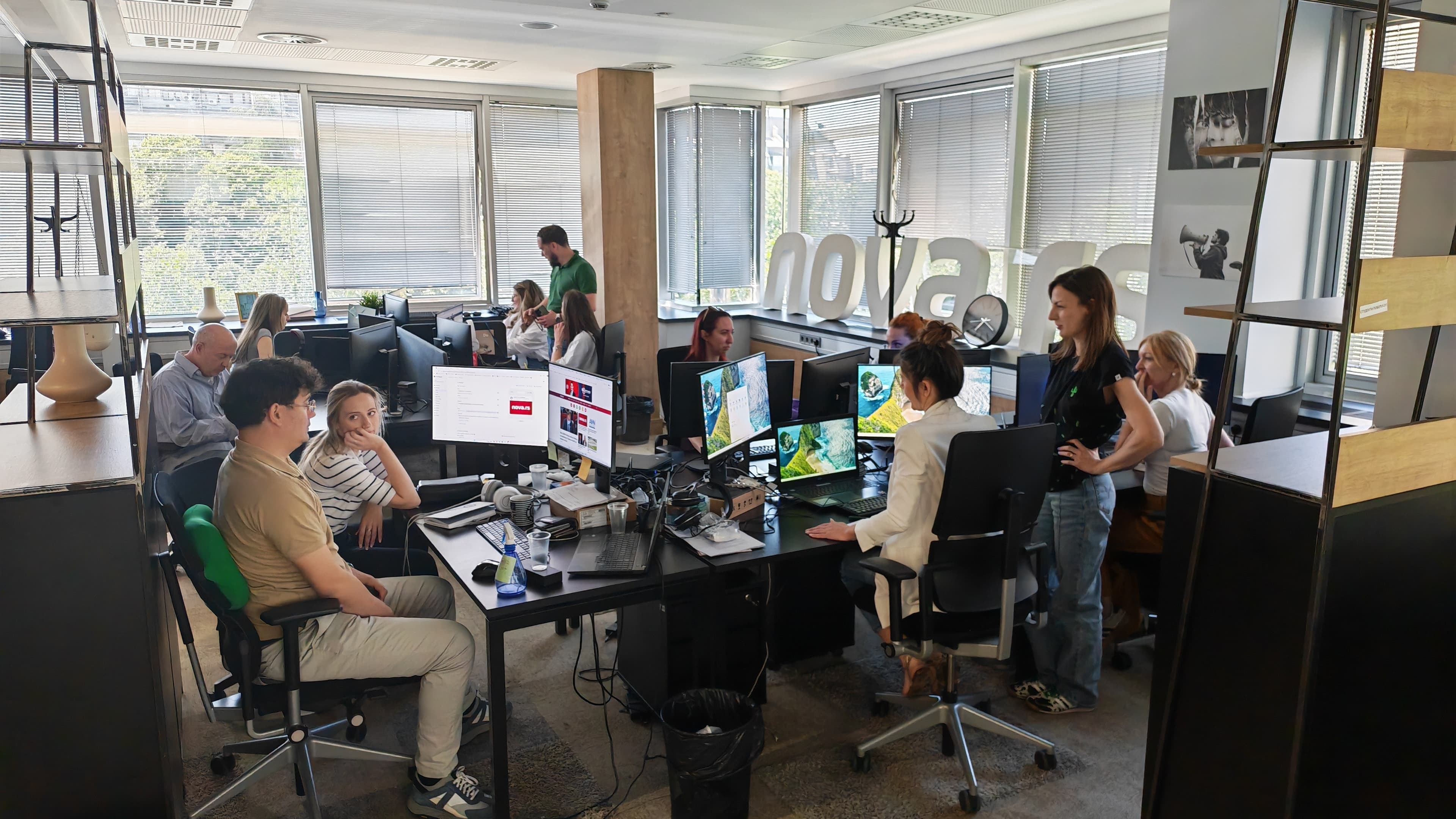
ANEM joins the protest of journalists from Nova.rs.

General Secretary of EFJ: Brutal takeover of the portal Nova.rs, a propagandist imposed as editor in an atmosphere of terror.

The portal tvlim.rs has been registered in Prijepolje - the 13th local media outlet of the tabloid companies Alo and Informer.
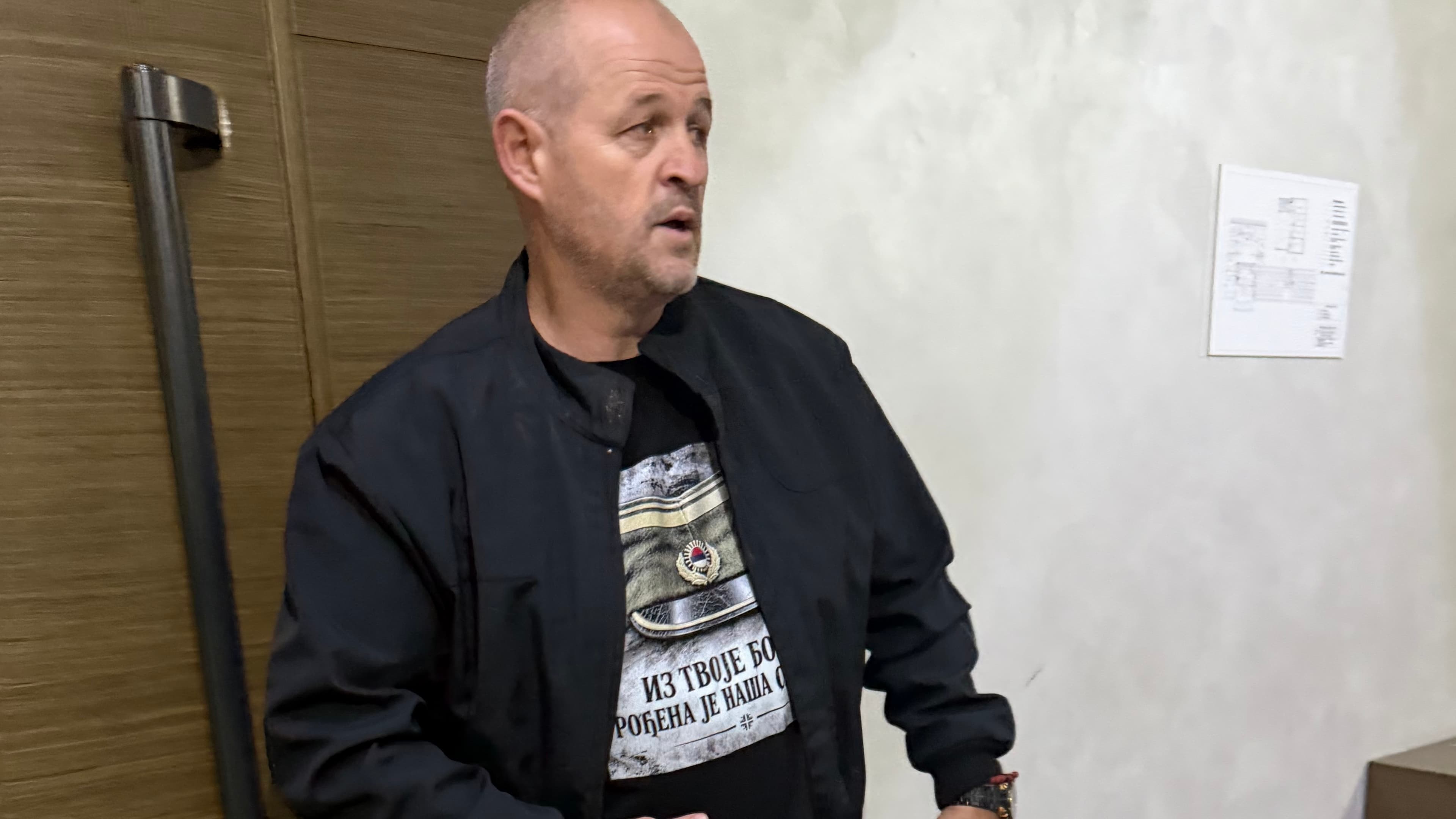
ANEM REPORT: The main hearing regarding the attack on N1, the accused appeared wearing a t-shirt featuring the image of convicted war criminal Mladić.
The government finances media propaganda with citizens' money: Billions for compliant media.
.png&w=3840&q=75)