ANEM: The City Election Commission prevented the editor of InfoVranjske from monitoring the proceedings following a report of irregularities.
The Association of Independent Electronic Media (ANEM) protests against the decision of the President of the City Election Commission (GIK) in Vranje, Novica Stanisavljević, to prevent the editor of the portal InfoVranjske.rs, Mihajlo Stojković, from monitoring the commission's work after illegal actions regarding the electoral materials were reported.
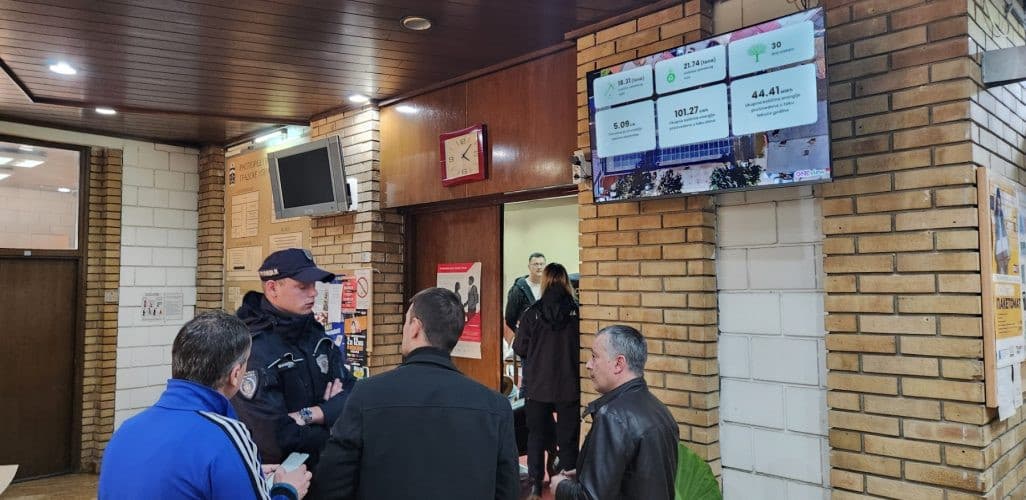
ANEM reiterates that the position of the Republic Electoral Commission (RIK) is that the work of local electoral commissions is completely open to the public. RIK does not issue or prescribe media accreditations for journalists to attend the sessions of local electoral commissions or the activities these commissions carry out, such as receiving materials, determining aggregate reports, etc. Therefore, the denial of journalist Mihajlo Stojković's attendance at the sessions of the City Electoral Commission (GIK) in Vranje, especially at a time when the police were investigating allegations of the illegal receipt of electoral materials, represents a gross violation of laws and regulations, as well as an obstruction of the public's right to be informed about the electoral process and activities.
Once again, we call on city (GIK), local (LIK), and municipal electoral commissions (OIK) to allow all journalists to report freely on the work of the commissions and the electoral process. We remind that, in accordance with the law, the sessions of electoral commissions are public and their work must be transparent, without discrimination against journalists and media for which they report. ANEM warns that several cases have been recorded where commissions did not respond to journalists' requests to attend sessions, minutes and decisions are not published regularly, while certain meetings are presented as informal in order to avoid the obligation of public work.
The editorial team of the portal "Pazovacke.rs" requested accreditation for journalist Stanislava Babin and timely notifications about the sessions of the OIK in Stara Pazova, but did not receive a response. Consequently, she turned to RIK and submitted identical requests to the OIK in Stara Pazova and RIK, asking to be timely informed about the schedule of sessions so that she could follow the commission's work and report to the public during the electoral process. RIK responded that she should direct her accreditation request to the OIK in Stara Pazova, to which she had already reached out. Before resubmitting her request to RIK, Babin attempted to attend the session of the OIK in Stara Pazova to report from there. The deputy chairwoman of the commission told her that she could attend the session, but that photographing and recording were not allowed, stating that such a legal provision exists and that RIK prohibited recordings. "I asked how this is possible when RIK sessions are broadcast live. I reminded them that the work of the OIK is public, in accordance with Articles 26 and 27 of the Law on the Election of Members of Parliament, Article 8 of the Law on Local Elections, and Article 10 of the Rules of Procedure of the Municipal Electoral Commission, and that photographing, recording, and live broadcasting of sessions is allowed, as their work is of exceptional public interest," Babin told ANEM.
The editorial team of "Slobodna reč" from Vranje requested information from GIK Vranje about the accreditation process and the media contact person as early as the beginning of October, but was informed that the commission was not competent. Colleagues from “Slobodna reč” emphasize that the rules of procedure of the local electoral commission provide for the presence of accredited journalists at GIK sessions.
ANEM reminds that, according to the applicable law, GIK/LIK/OIK are obliged to ensure public access and transparency in their work, without discrimination against reporters and media. To enter and monitor work at polling stations, it is necessary to obtain permission from the electoral board, while journalists are not allowed to disrupt the secrecy of voting, record voter lists, or photograph citizens behind the voting screens.
Association of Independent Electronic Media (ANEM)
Related Articles
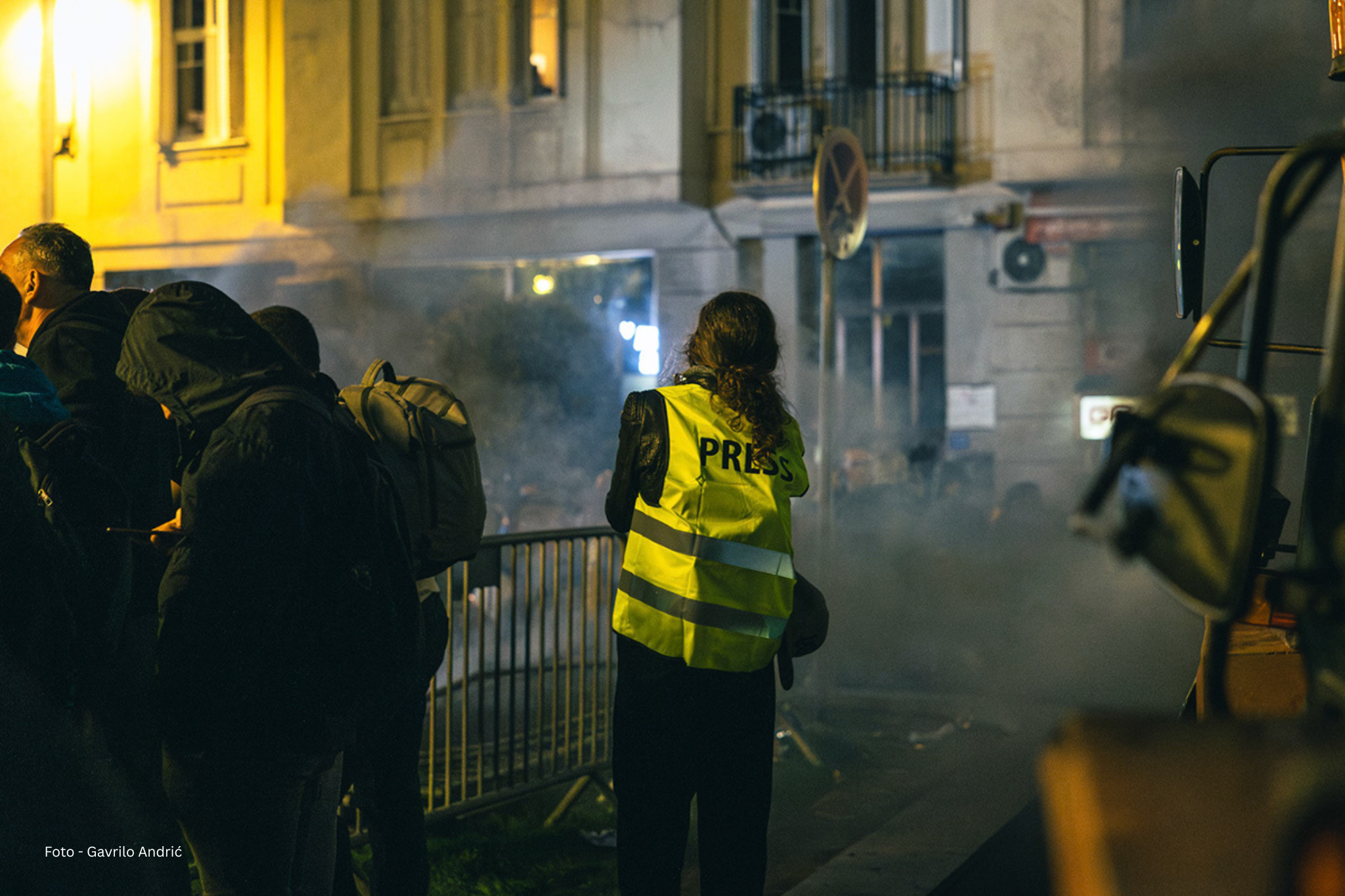
ANEM: There are no free elections without free media – SOS hotlines for reporting attacks and guidelines for safe reporting.

SRG: Information and phone numbers for support for journalists and media on election day, October 25th.