
Commissioner of the Council of Europe: A collapsed market where state funds are directed towards pro-government media.
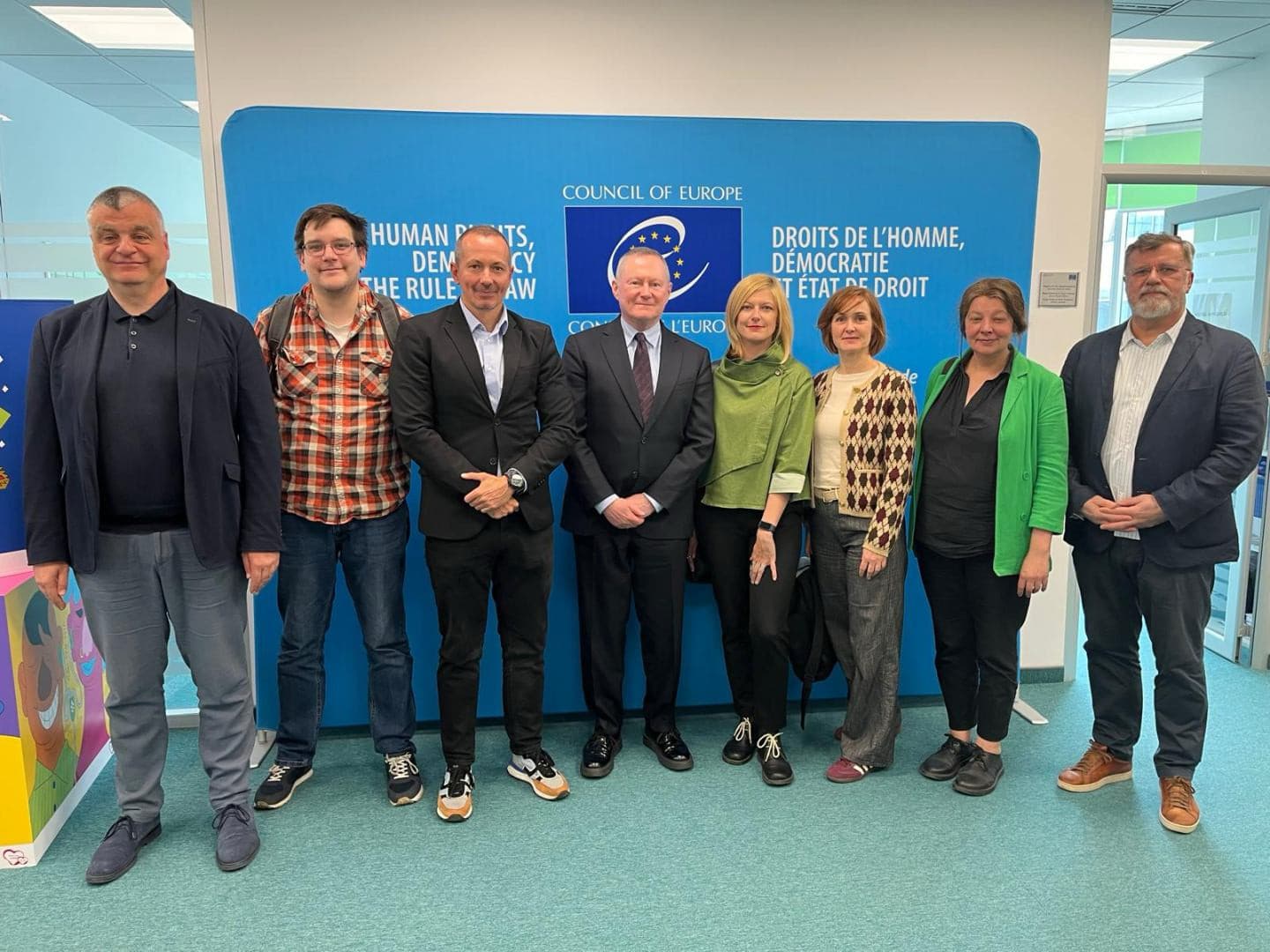
After his visit to Serbia from May 18 to 21, 2026, the Council of Europe Commissioner for Human Rights, Michael O'Flaherty, stated that the situation has worsened since his previous visit in April 2025.
The Commissioner has been informed about the increase in violence, intimidation, and harassment of journalists and civil society actors who criticize government policies. In the context of government dominance in the media sector and the lack of a functional media regulator, the rapidly shrinking space for dissent undermines political debate and the realization of the right to access diverse sources of information. This is particularly problematic in the current pre-election context, as highlighted in the statement.
The Commissioner is concerned about physical attacks on journalists and threats to their safety and the safety of their families, as well as the lack of police response. According to data from the Permanent Working Group for the Safety of Journalists in Serbia, which consists of journalist associations, the prosecution, and the police, only five out of approximately 200 documented attacks on journalists recorded during 2024 and 2025 resulted in final court rulings.
The media environment is also compromised by a large number of SLAPP lawsuits (Strategic Lawsuits Against Public Participation) aimed at journalists, particularly those reporting on student protests and ongoing investigations into corruption. He further observes a deteriorated media market in which state funds for media and advertising are predominantly directed towards pro-government outlets.
The Commissioner expresses concern about the violent response of the authorities to public gatherings and protests led by students, which were triggered by the tragedy in Novi Sad in November 2024. There are numerous reports of excessive use of force and police violence, as well as arrests of peaceful demonstrators and degrading treatment in custody.
There are also reports that the police protect unidentified and often masked attackers of journalists and demonstrators. A cause for concern is the fact that it appears substantiated complaints regarding unacceptable police behavior have not been investigated or prosecuted. Furthermore, the Commissioner expresses concern that despite the testimony of over 3,000 citizens, an official investigation into the alleged sonic weapon attack on March 15, 2025, has still not been initiated.
The Commissioner believes that the current climate of impunity for police abuses has eroded public trust in law enforcement and other public authorities.
The Commissioner was surprised by the shared assessment of many interlocutors that the overall situation regarding civil space in Serbia has deteriorated sharply since his last visit.
Civil society organizations, especially those dealing with human rights, anti-corruption, and election monitoring, are routinely portrayed as "traitors" or "foreign agents" in pro-government media, as well as by some high officials. The Commissioner is concerned about the high level of hate speech directed against civil society and how it can lead to physical violence.
He further notes with concern that publicly honoring the victims of the tragedy in Novi Sad may allegedly result in job termination in public service, intimidation, and harassment.
The decline in the credibility of state institutions responsible for human rights must be halted and rectified.
The Commissioner believes it is important to fully and consistently implement the recommendations of the Venice Commission regarding the so-called Mrdić laws, particularly concerning the protection of the autonomy of the prosecution. He also emphasizes the importance of independent institutions for the protection of human rights and unfortunately agrees with many interlocutors who believe that the Ombudsman is failing to fulfill its mandate regarding the issues that were the subject of the visit. The Commissioner is alarmed by the polarization in Serbia, where mechanisms for cooperation between civil society and authorities regarding human rights are no longer functioning. He calls on the authorities to create a favorable environment for free debate and public participation.
The Commissioner notes that large demonstrations are scheduled for Saturday, May 23. He urges the authorities to regulate and ensure them in full compliance with their human rights obligations. He will closely monitor the situation.
During his visit, the Commissioner met with Chief Prosecutor Zagorka Dolovac, Ombudsman Zoran Pašalić, and Commissioner for the Protection of Equality Milan Antonijević. He also held meetings with a wide range of representatives from civil society, media, and the academic community. The authorities canceled scheduled meetings with the Minister of Justice, the Minister for Human and Minority Rights and Social Dialogue, and the Acting Secretary of the Ministry of Interior, to which the Commissioner reaffirms his commitment to dialogue.
Related Articles
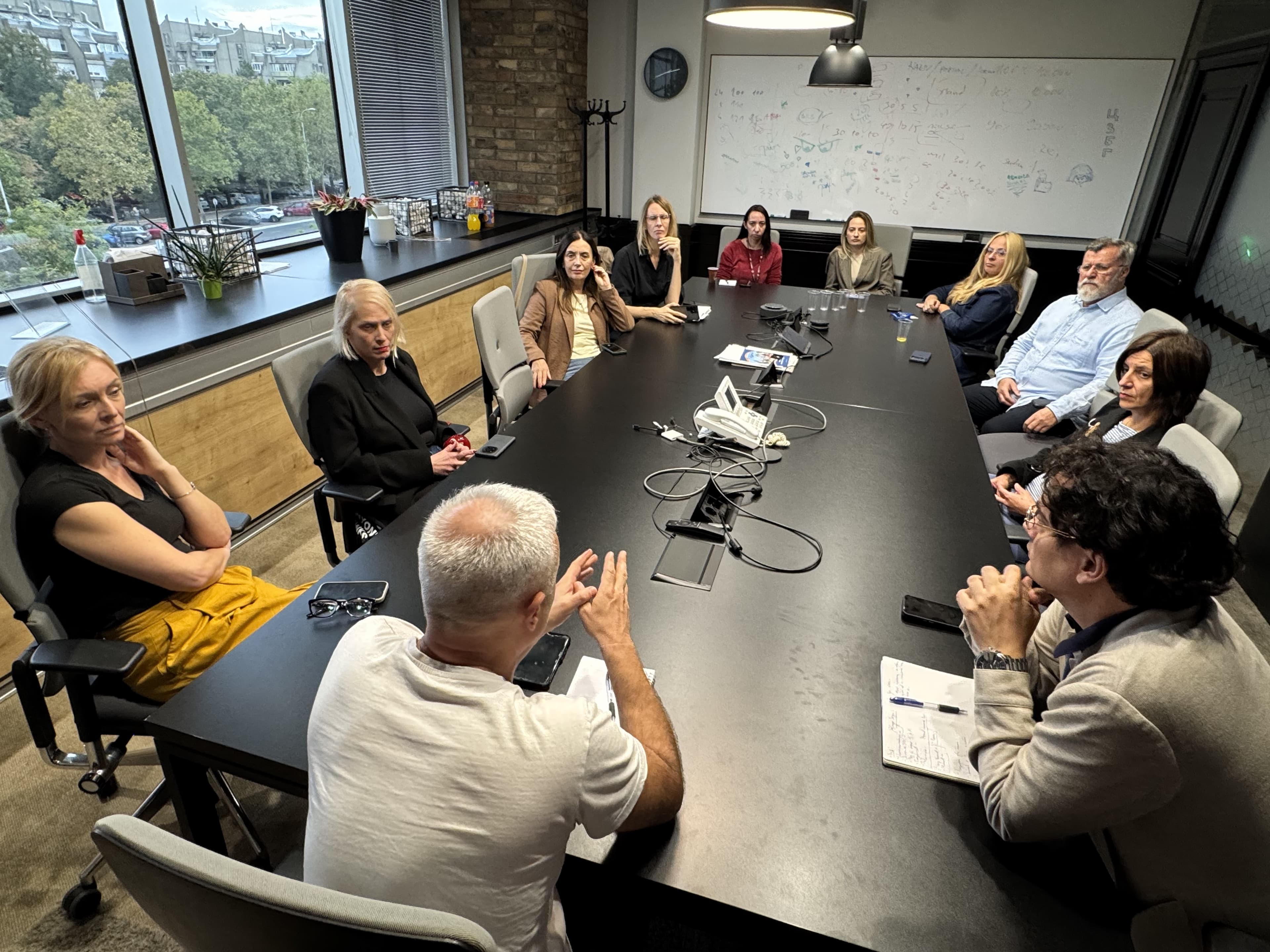
Journalistic associations provided support to the editorial team of Nova.rs: Ongoing communication and updates with international stakeholders agreed upon.

Coalition for Media Freedom: Stop Attacks and Harassment of Journalists During the Election Campaign

.png&w=3840&q=75)