
Journalistic and media associations and unions: Public consultations cannot replace the legally mandated analysis of necessary media content.
Journalistic and media associations and unions point out serious shortcomings in the way the Ministry of Information and Telecommunications has initiated public consultations on the necessary media content. They call on the Ministry to make available to the public, without delay, all data and documents that form the basis for the analysis prescribed by Article 28 of the Law on Public Information and Media.
The Ministry opened public consultations on September 1, which will last until October 2, 2026, inviting professionals and the broader public to submit proposals for necessary media content that serves the public interest in the field of public information.
Conducting public consultations is a legal obligation and represents an important part of the process of preparing an analysis of the necessary media content. However, public consultations are not and cannot be a substitute for the analysis itself as prescribed by Article 28 of the Law on Public Information and Media.
The law clearly stipulates that the analysis of necessary media content must be based on multiple different sources and elements. It should, among other things, include reports on previously conducted competitions, internal and external evaluations of implemented projects, analysis of reports from journalistic and media associations and unions, and other relevant materials, results from public consultations, as well as proposals concerning thematic areas, genre diversity, target groups, and the amount of funds to be allocated for future competitions.
Public consultations are, therefore, only one of the elements of that process.
For this reason, we find it problematic that the Ministry initiated consultations without simultaneously presenting the analytical and documentary basis on which the future analysis will be based.
Further confusion is created by the very form for participation in the consultations.
The title of the form is "Proposal for Necessary Media Content that Serves the Public Interest." However, the subsequent questions in the form are predominantly formulated as comments and suggestions "regarding the preparation of the analysis" and "for the preparation of the analysis," while the document to which suggestions are directed is titled "Preparation of the Analysis of Necessary Media Content."
This inconsistency also exists in the form prescribed by the Rulebook on the Implementation of the Analysis of Necessary Media Content and further complicates understanding what is expected from consultation participants: to identify specific missing media content or to provide suggestions on how the Ministry should prepare the analysis.
It is particularly problematic that no draft analysis, methodology, or other foundational document has been presented to the public that could relate to comments on the "preparation of the analysis."
The public consultation program also does not explain how the submitted proposals will be processed and evaluated. The Ministry states that it will analyze them and prepare a report, but it is unclear what criteria will be used to consider the proposals, how they will be cross-referenced with the results of previous competitions, evaluations, and other data, or how conclusions about the actual needs of citizens for media content will be drawn from the entire process.
This is especially important because the results of this analysis should directly influence future competitions for project co-financing and decisions on themes, genres, target groups, and amounts of funds that will be financed with public money.
We believe that fulfilling Article 28 of the Law cannot be reduced to the implementation of a formal obligation – publishing a call and allowing a minimum of 30 days for submitting proposals.
The essence of this legal provision is that the state, based on experiences from previous project co-financing, evaluation results, relevant research, and consultations with experts and the broader public, determines which media content is lacking and how public funds should be directed to better serve the public interest.
For this reason, we demand that the Ministry of Information and Telecommunications without delay:
- publish information on what activities it has conducted so far in the preparation of the analysis of necessary media content;
- publish reports on previously conducted competitions that will serve as a basis for the analysis;
- publish all available internal and external evaluations of project implementations from Article 27 of the Law that relate to the relevant period;
- publish data on the thematic and genre structure of supported projects, target groups, territorial representation, and other relevant indicators;
- clearly explain how the proposals from experts and the broader public will be considered and how they will affect the final analysis;
- remove terminological and procedural ambiguities in the documents accompanying the consultations.
The analysis of necessary media content must not be an administrative formality, nor can its implementation be reduced to merely collecting public proposals.
It should provide answers to key questions: what has been financed with public money so far, what results it has produced, which content and target groups have been neglected, and how future project co-financing can better respond to the actual needs of citizens.
Only a transparent, methodologically clear, and data-driven process can ensure that the analysis from Article 28 fulfills its purpose and that the future allocation of public funds for media content is truly directed towards serving the public interest.
Signatories:
Media Association
Online Media Association (AOM)
Independent Journalists' Association of Vojvodina (NDNV)
Independent Association of Journalists of Serbia (NUNS)
Business Association Association of Local and Independent Media "Local Press"
Slavko Ćuruvija Foundation
Branch Union of Culture, Arts, and Media "Independence"
Association of Independent Electronic Media (ANEM)
Journalists' Association of Serbia (UNS)
Related Articles
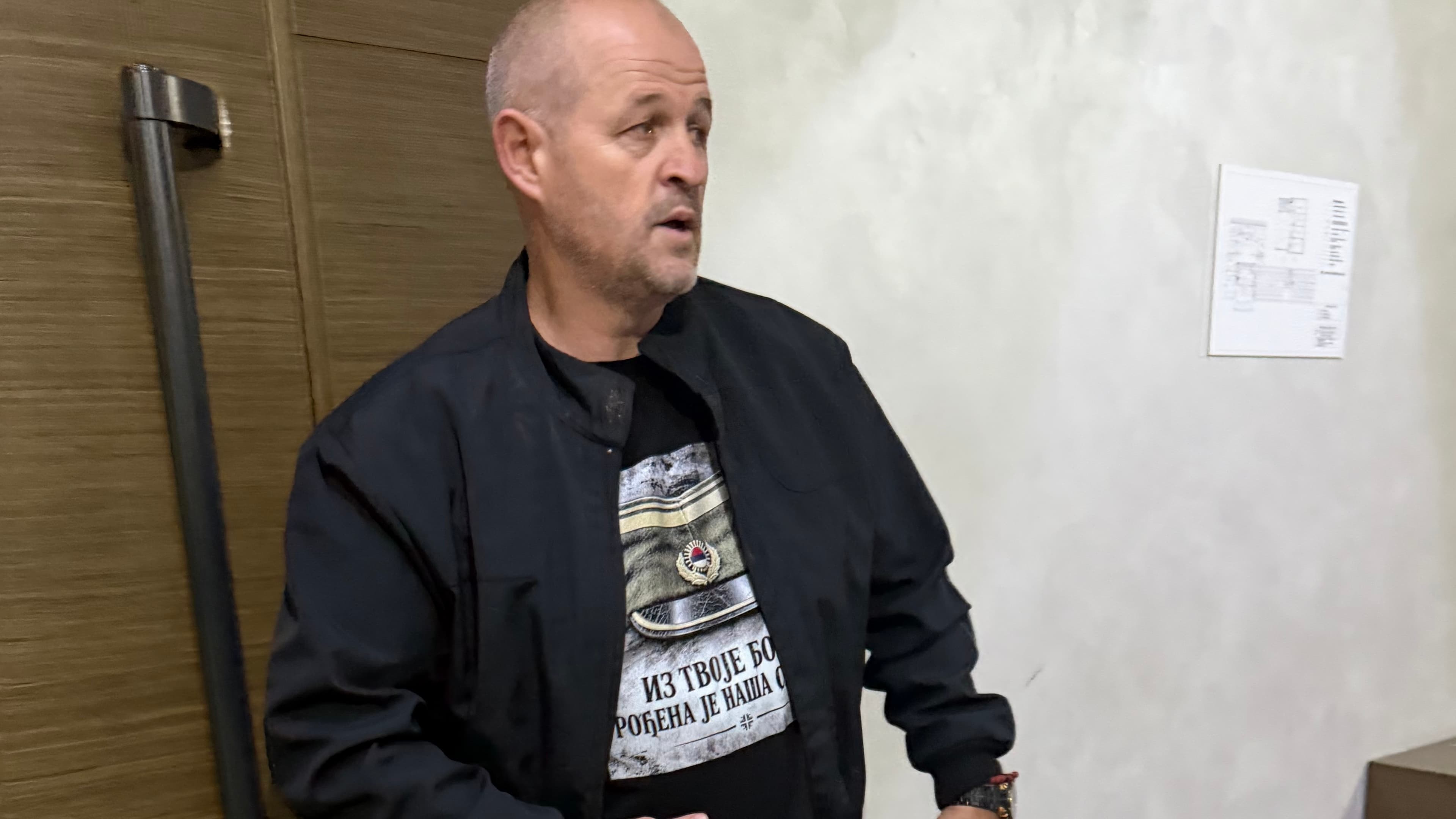
ANEM REPORT: The main hearing regarding the attack on N1, the accused appeared wearing a t-shirt featuring the image of convicted war criminal Mladić.
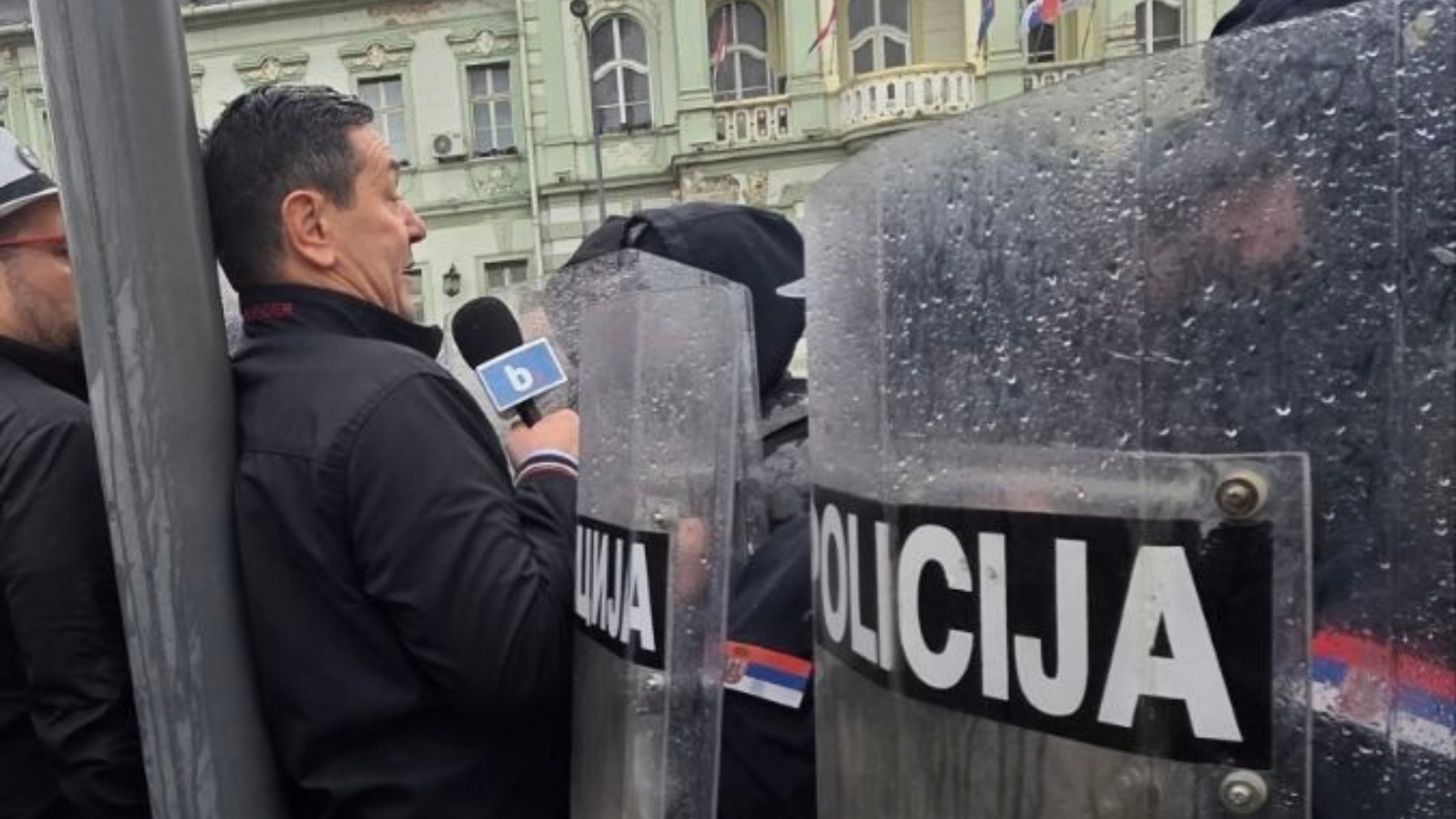
ANEM ALARM: The intervention police cordoned off the KTV team from Zrenjanin.



.png&w=3840&q=75)