
The candidacy of two members from national minority groups for the REM Council has been adopted, with the opposition claiming that they are close to the SNS.
The Parliamentary Committee for Culture and Information adopted the candidacies of Ištvan Bodžoni and Sreten Jovanović for members of the Council of the Regulatory Body for Electronic Media (REM) from the ranks of national minorities at today’s session.

Member of Parliament from the People's Movement of Serbia (NPS) Ivana Rokvić stated today that the candidates from the national minority councils for members of the Regulatory Body for Electronic Media (REM), Ištvan Bodžoni and Sreten Jovanović, are not independent because the majority of national councils have been "usurped" by the Serbian Progressive Party (SNS).
Rokvić said during a public hearing in the National Assembly that Jovanović merely plays a supporting role in the process of selecting the REM Council, as it is clear that Bodžoni will be elected.
"Because of Bodžoni, the entire REM has fallen; he will certainly be elected. He should not be a member of the REM Council due to a conflict of interest. Bodžoni will be the extended arm of the SNS in that regulatory body. Previous candidates from the national minority councils were independent, which is why they were not elected," the MP said.
Bodžoni stated that Rokvić is "disqualifying" him and that this is unfair since he has more experience than she does, while Jovanović said that he was not proposed by the SNS but by the Roma National Council and that he has no connections to politics.
According to Bodžoni, the REM cannot "perform miracles" and change the media system in Serbia, regardless of who the members of the Council are.
"It is an illusion to expect that any REM can perform miracles. The media landscape has its flaws and values; REM is just a part of the system," Bodžoni said.
Candidate Jovanović stated that he will fight against hate speech in the media if elected as a member of the REM Council.
He said that he will advocate for media that use inappropriate rhetoric to be financially penalized.
Branko Miljuš from the Freedom and Justice Party (SSP) asked Jovanović which media outlets are leading when it comes to hate speech and what measures he will take against them.
Jovanović replied that all media "have similar rhetoric" and that he advocates for anyone who violates the law to face financial consequences.
MP from the SNS, Nebojša Bakarec, criticized opposition MP Rokvić for leaving the hall before the end of the public hearing and claimed that she made false statements.
"SNS does not control the national councils. Rokvić insulted the candidates on a national basis. The process of selecting members of the REM is as clear as day," said the ruling party MP.
He requested that the proposed candidates from the national minority councils compel television stations registered in Luxembourg to comply with the law.
"It is necessary for N1 and Nova S television stations to be registered in Serbia and to pay taxes here," Bakarec said.
Members of the Serbian Assembly elected eight out of nine members for the new term of the REM Council at the beginning of November, with mandates lasting two, four, or six years.
The MPs did not elect either of the two candidates proposed by the national minority councils after the Alliance of Vojvodina Hungarians, part of the ruling coalition, opposed it, claiming that the proposed candidates do not reflect the true will of those councils.
The Assembly Committee for Culture and Information subsequently determined that the new candidates from the national minority councils, Sreten Jovanović and Ištvan Bodžoni, do not meet the requirements to be members of the REM Council.
Four elected members of the REM Council officially submitted their resignations on Friday due to the fact that a vote was not repeated concerning the candidate proposed by the national minority councils.
Independent candidates Rodoljub Šabić, Dubravka Valić Nedeljković, Mileva Mališić, and Ira Prodanov Krajišnik announced in mid-November that they would resign because, as they stated, they do not agree to be elected in a process that places politics above the law.
Source: N1
Related Articles
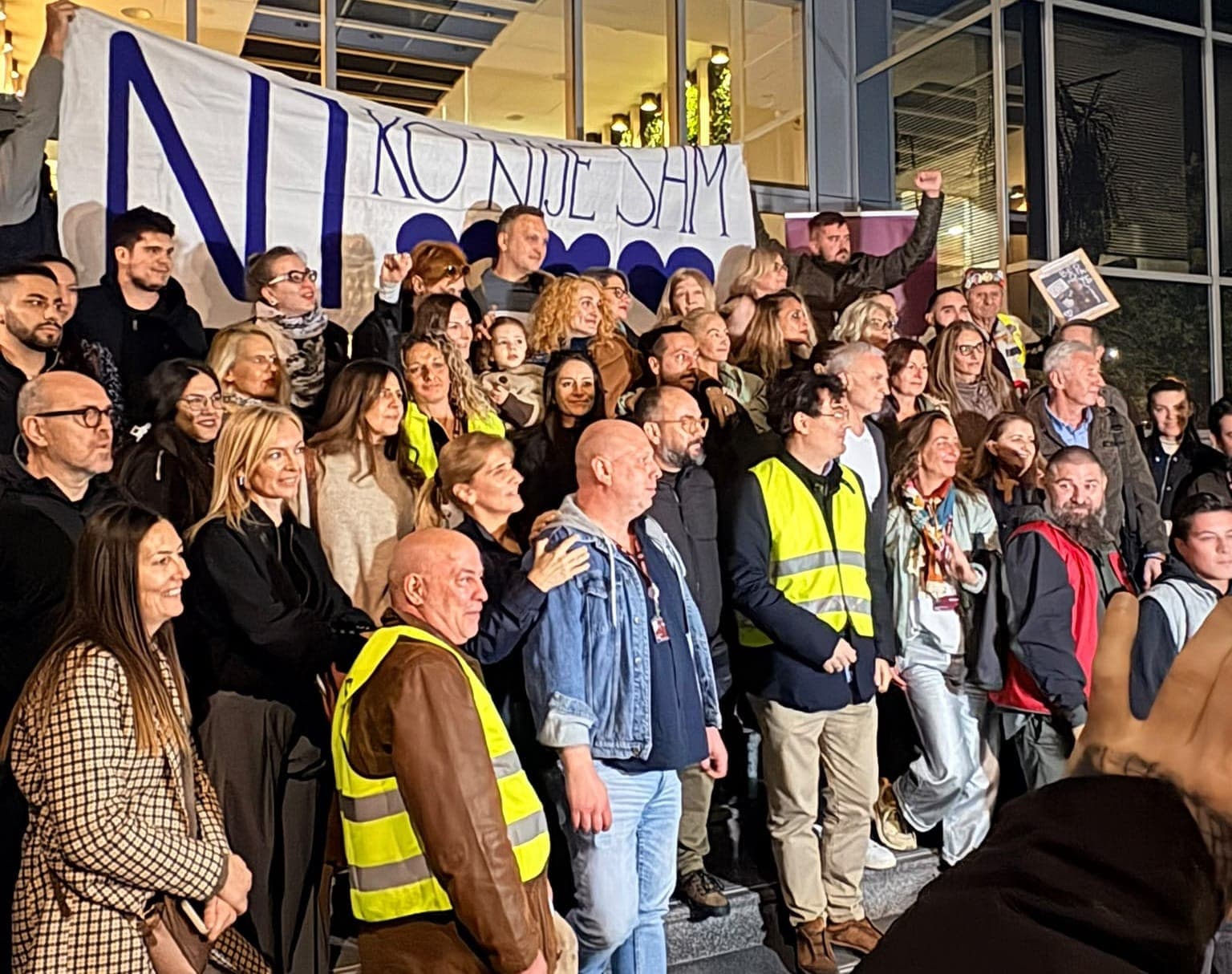
Open letter from the editorial team of Nova.rs to Dejan Kocić, Director of United Cloud: Don’t say tomorrow that you were "just doing your job."
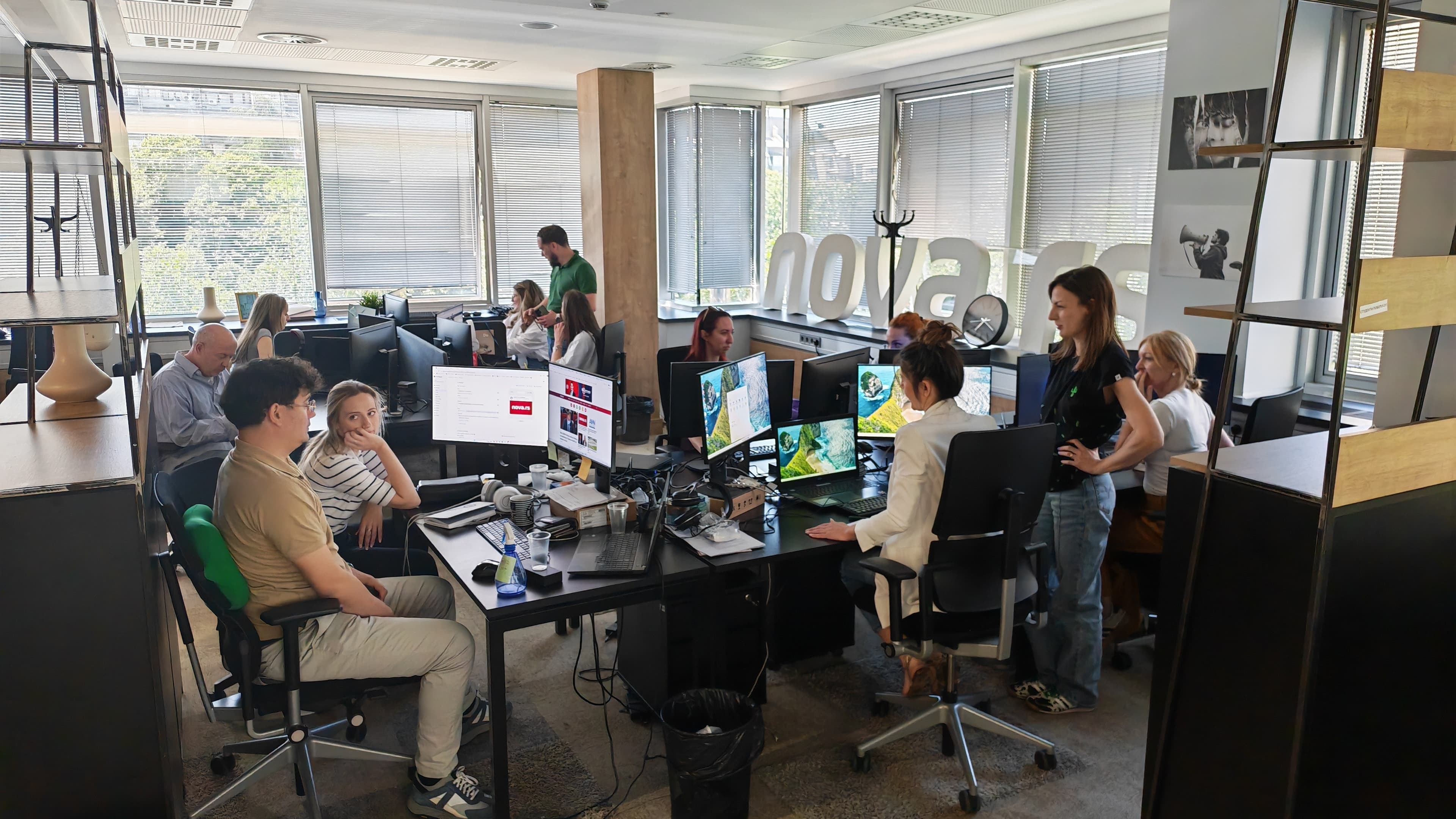
ANEM joins the protest of journalists from Nova.rs.


.png&w=3840&q=75)