
Analysis of Advertising Practices in the Media: Money Flows, Lack of Criteria, and (Non)compliance with Ethical Standards
The latest research by BIRN titled “Analysis of Advertising Practices in the Media: Money Flows, Lack of Criteria, and (Non)Compliance with Ethical Standards” explores the mechanisms through which public and commercial money flows into the media sector.
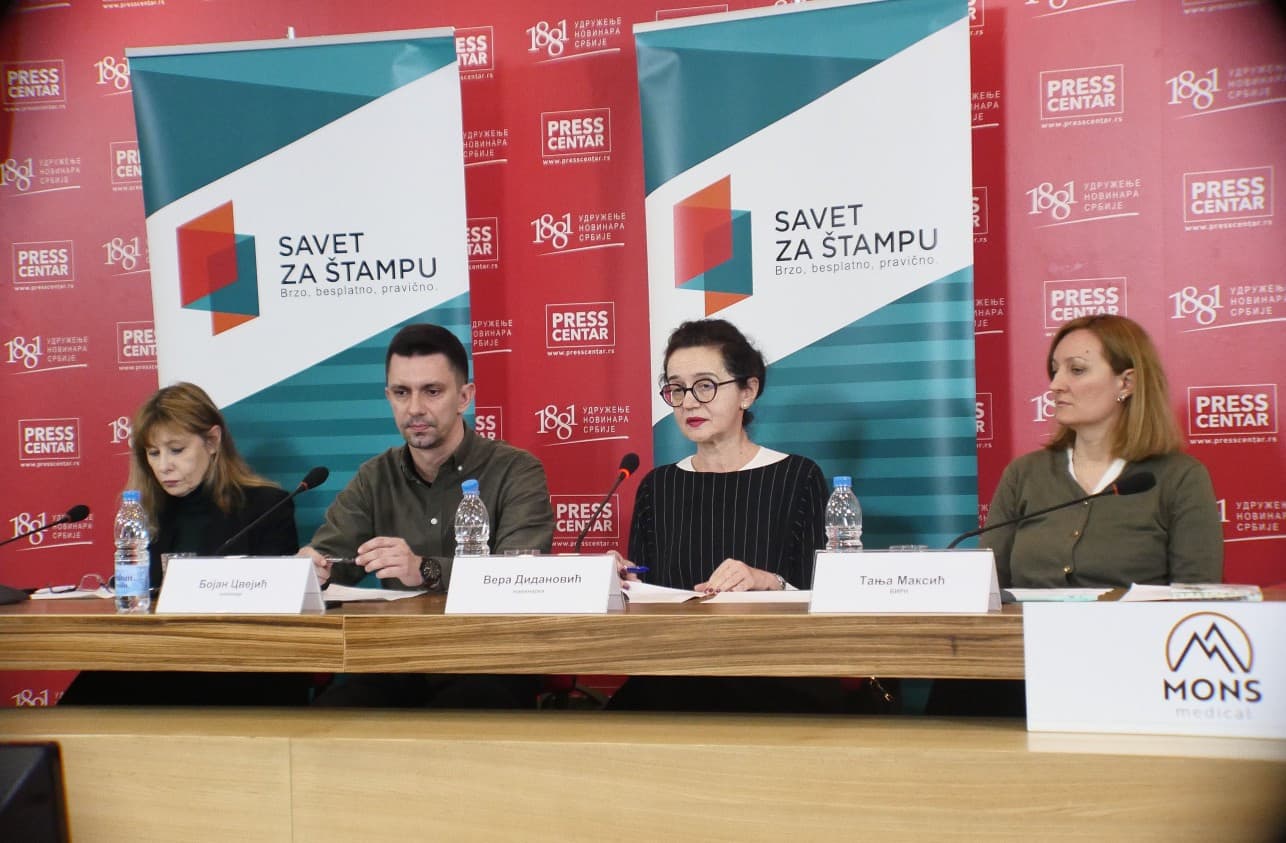
The report maps out the non-transparent funding channels that, instead of supporting the public interest, serve as leverage for political influence and the maintenance of clientelist relationships between power centers and the media.
Research conducted during the second half of 2025 uncovered a troubling paradox: the majority of funding from the state and private companies goes to media outlets that systematically violate the Journalists' Code of Serbia. While professional editorial teams are facing a financial crisis, tabloids that generate thousands of ethical violations are rewarded with stable advertising revenues.
The research covered 148 public procurement contracts for media and related services valued at over 760 million dinars and additionally analyzed over 7,000 advertisements in daily newspapers.
Key findings of the research:
- The advertising messages from state advertisers constitute more than 38% of the total advertising space in daily newspapers (excluding legally required advertisements).
- The newspaper Alo, with 2,004 recorded violations of the Code, simultaneously billed over 416 pages of advertisements, while Informer, with 1,456 violations, collected over 308 pages.
- Through the public procurement system in 2025, 148 contracts valued at over 760 million dinars were identified. However, the trail of money is often obscured as 84% of the funds go through marketing agencies.
- The Serbian Lottery remains the record holder with 205 million dinars allocated through public procurement, while Telekom Srbija is the most prominent individual state advertiser in print with over 850 commercial advertisements.
- An analysis of the internal procedures of 27 state institutions showed that when selecting media, there are no criteria for professionalism or adherence to ethical standards. The only measure is the "lowest offered price," which widely opens the door for financing media that spread misinformation and violate citizens' rights to objective information.
- When observing public procurement data by media that were contracting parties, the leading company is Tačno, which owns the agency and television Tanjug, having collected 37,297,320 dinars in 2025 as a de facto news service for various ministries.
This document provides an in-depth insight into market dynamics and advertising practices, while also shedding light on the relationship between funding, ethical and professional standards, and editorial policies.
The set of recommendations that is part of this report includes a series of measures addressed to decision-makers and the media and marketing industries:
- Adherence to the Journalists' Code must be a condition for receiving public funds.
- It is necessary to legally distinguish information from political promotion and to strengthen inspection oversight over hidden advertising.
- Private advertisers and agencies should also apply ethical codes when selecting media in which they place their clients' advertisements.
Download the complete publication and find out how the citizens of Serbia's money shapes today's media landscape.
Related Articles

Journalistic associations provided support to the editorial team of Nova.rs: Ongoing communication and updates with international stakeholders agreed upon.

Coalition for Media Freedom: Stop Attacks and Harassment of Journalists During the Election Campaign

.png&w=3840&q=75)