
Research: Every third journalist in Serbia has a mental disorder or impairment.
More than one-third of surveyed journalists in Serbia, specifically 37.1 percent, have been diagnosed with a mental disorder or experience mental difficulties, which is more than double the percentage of mental disorders in the general population, estimated at around 15 percent. These findings are presented in the "Analysis of Journalists' Mental Health," prepared by Jovana Gligorijević, Tamara Džamonja Ignjatović, Branko Čečen, Veran Matić, and Miroslav Janković with the support of the OSCE Mission to Serbia.
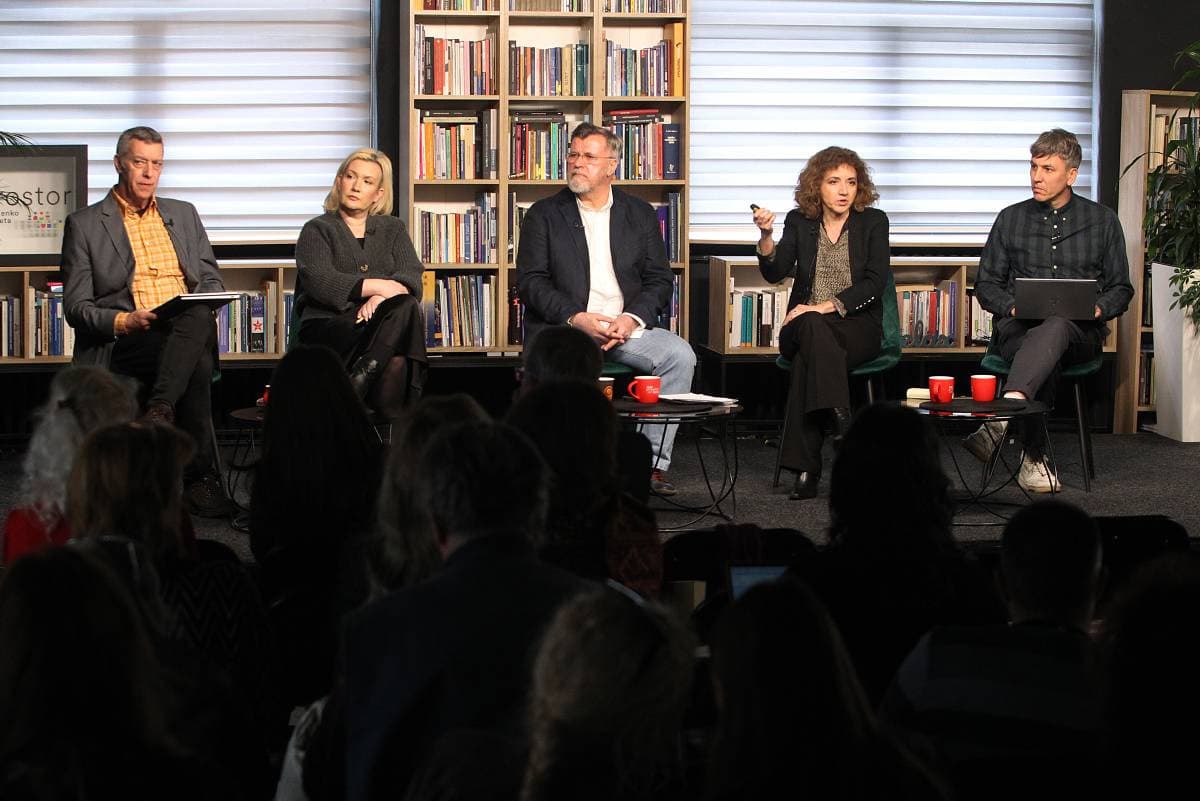
The new research involved 218 journalists, of whom two-thirds reported that they do not have any mental health issues. On the other hand, nearly 19 percent of respondents indicated that they have been diagnosed with some mental health disorders, while over 18 percent subjectively believe they have psychological difficulties but do not seek help from a psychiatrist.
In the previous cycle of research, 12.8 percent of respondents provided this answer, indicating a significant increase in self-diagnosis and reluctance to seek help.
As for the types of disorders for which a medical diagnosis has been made, anxiety stands out among journalists and media workers at 72.1 percent. Following this, depression is reported at 40.4 percent, and panic attacks are reported by 31.7 percent of respondents. Although it is commonly believed that post-traumatic stress disorder is the most frequent issue among journalists, it appears in only 19.2 percent of responses, according to the findings of this research.
According to these findings, the percentage of journalists who rate their work as extremely stressful is significantly higher than the percentage of those who say they experience work-related stress almost daily or often, at 63.3 percent. However, when all affirmative responses are totaled, 95.9 percent of journalists experience stress to some degree ranging from almost daily to occasionally.
"When self-assessing the current level of stress they are under, it is reported as very high or high by 60.5 percent of respondents. Therefore, two-thirds of respondents are under a concerning level of stress," the analysis states.
The primary factors contributing to stress are underpayment and financial uncertainty, which were identified by 55 percent of respondents. Short deadlines and a high volume of tasks rank second, followed by external pressures and threats, job insecurity or the survival of the editorial team, relationships with superiors, and poor relationships within the team.
The research also indicates that two-fifths of the surveyed journalists have experienced workplace harassment. When asked who perpetrated the bullying, editors were most frequently mentioned (23.9 percent), followed by management (16.5 percent) and colleagues (9.2 percent). Media owners were cited in 7.3 percent of responses.
When asked whether they initiated a process for protection against workplace harassment, media workers mostly responded negatively, and the reasons for this vary.
Regarding burnout syndrome, 17.9 percent answered that they have not experienced it, 14.7 percent believe they have experienced it once, while the largest group—67.4 percent—reported experiencing it more than once. In total, 82.1 percent have experienced burnout at least once.
"The level of emotional exhaustion is highly pronounced (the average score on the scale is 17.01), which is slightly elevated compared to the previous score of 16.7 and represents a typical experience of professional burnout manifested through chronic fatigue, sleep issues, reduced ability to experience positive emotions, and a lack of enthusiasm for life. A total of 78 percent feel very or moderately emotionally exhausted, yet despite this, they maintain a sense of professional effectiveness," is assessed in the Analysis of Journalists' Mental Health.
The complete results of the research are available at this link.
Source: ANEM
Related Articles

Journalistic associations provided support to the editorial team of Nova.rs: Ongoing communication and updates with international stakeholders agreed upon.

Coalition for Media Freedom: Stop Attacks and Harassment of Journalists During the Election Campaign

.png&w=3840&q=75)