
Challenges and Threats to Journalist Safety in Serbia: What Are the Issues and How to Protect Yourself
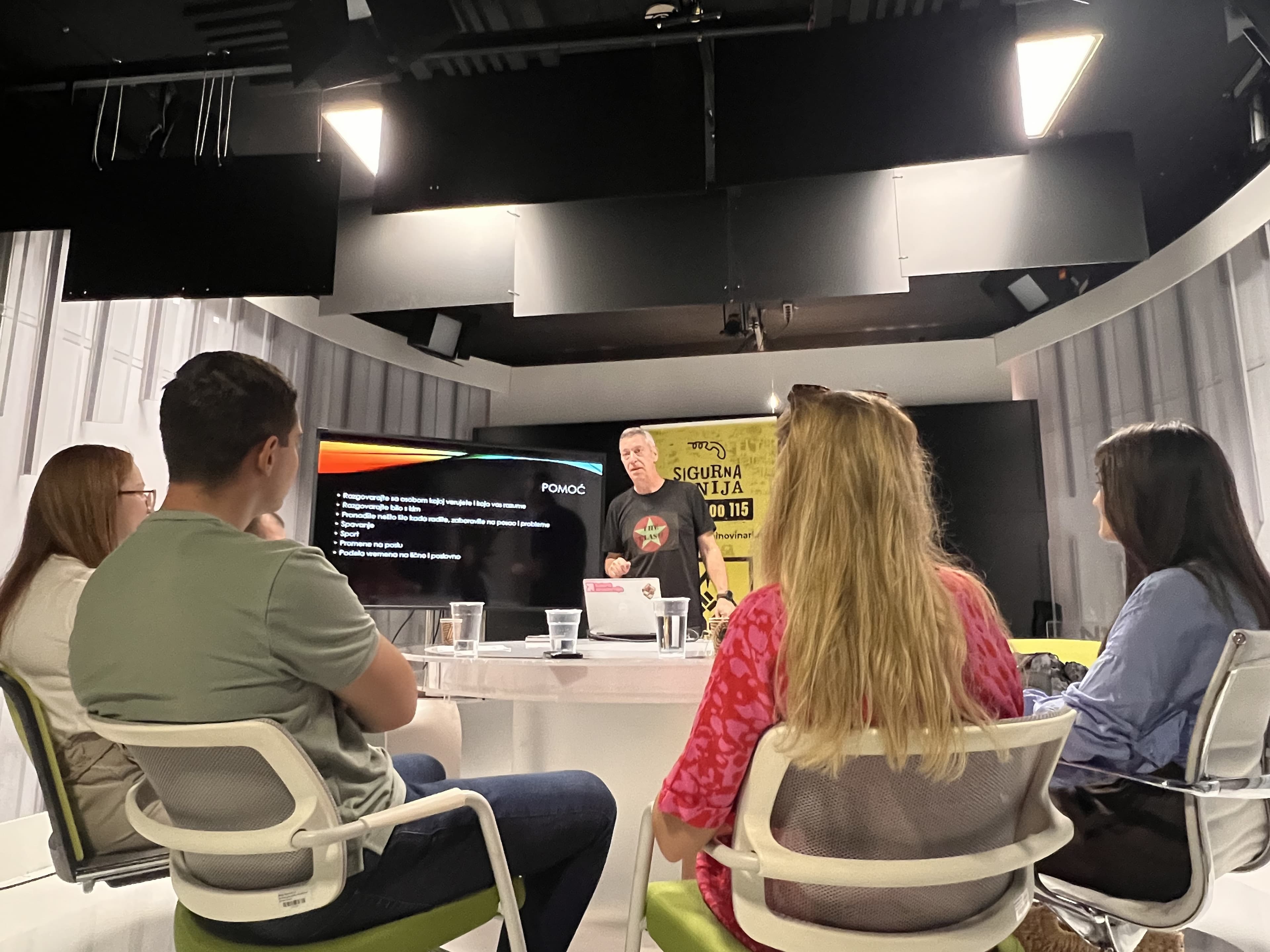
A hybrid war against the media is underway. Initially, there were drastic threats, followed by violence directed at the media and journalists, as well as escalating digital violence. Security issues in Serbia are currently very complex, emphasized Veran Matić, president of the Board of Directors of the Association of Independent Electronic Media (ANEM), a member of the Permanent Working Group for the Safety of Journalists and an operator on the Safe Line for Journalists 0800 100 115, during a discussion as part of a training session for journalist safety.

As part of the discussion on the security threats faced by media workers, which was organized by ANEM for representatives of more than 40 local media outlets, lawyer Kruna Savović and representatives of the SHARE Foundation, Andrej Petrovski and Danilo Krivokapić, shared advice and recommendations with attendees regarding protective measures, especially in situations involving the eavesdropping of mobile phones and the actions of relevant authorities.
The installation of spyware on the mobile phones of journalists and activists is a concerning new trend. Media representatives were warned about the importance of safeguarding devices such as mobile phones to prevent this kind of unauthorized surveillance. Amnesty International documented at least six cases of the NoviSpy software being installed, linked to a BIA server. Despite complaints made to the Prosecutor's Office for High-Tech Crime, there has been no adequate investigation even after a year and a half.

Gathered journalists were informed that they are not obligated to unlock their mobile phones at the request of police officers, and that a call to visit BIA premises implies a clear procedure, which certainly does not represent a friendly phone call for a casual conversation.
Journalists and editors from local media shared specific cases and examples of security threats with the attendees.
Representatives of the SHARE Foundation stated that they have established communication with Meta and are currently successfully resolving cases of bot attacks on media accounts on Instagram and Facebook.
“The media sector has made significant progress recently, and journalists themselves already know how to analyze problems and apply certain measures, but the attacks are more sophisticated, and we all need to invest more resources,” assessed Danilo Krivokapić from the SHARE Foundation.
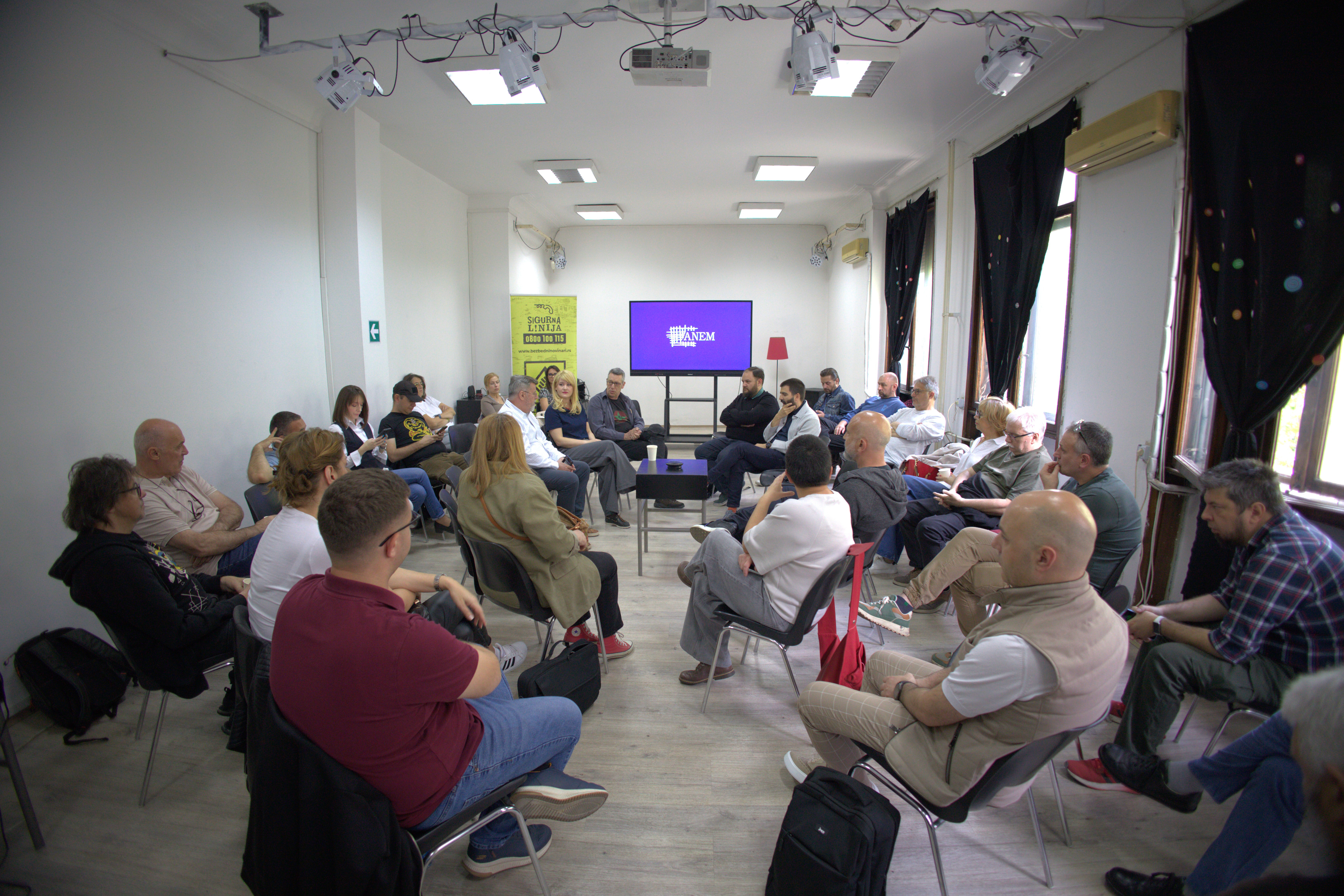
Lawyer Savović noted that, although adequate institutional support is lacking, it is important to report cases of security threats for the accountability that will be established in the future regarding actions taken or not taken.
Veran Matić urged media workers to use the Safe Line for Journalists at 0800 100 115.
During the first part of the training, experienced lecturer and journalist Branko Čečen shared security experiences with the attendees, considering the events in the country over the past few months and the increased number of pressures and attacks on journalists and media.
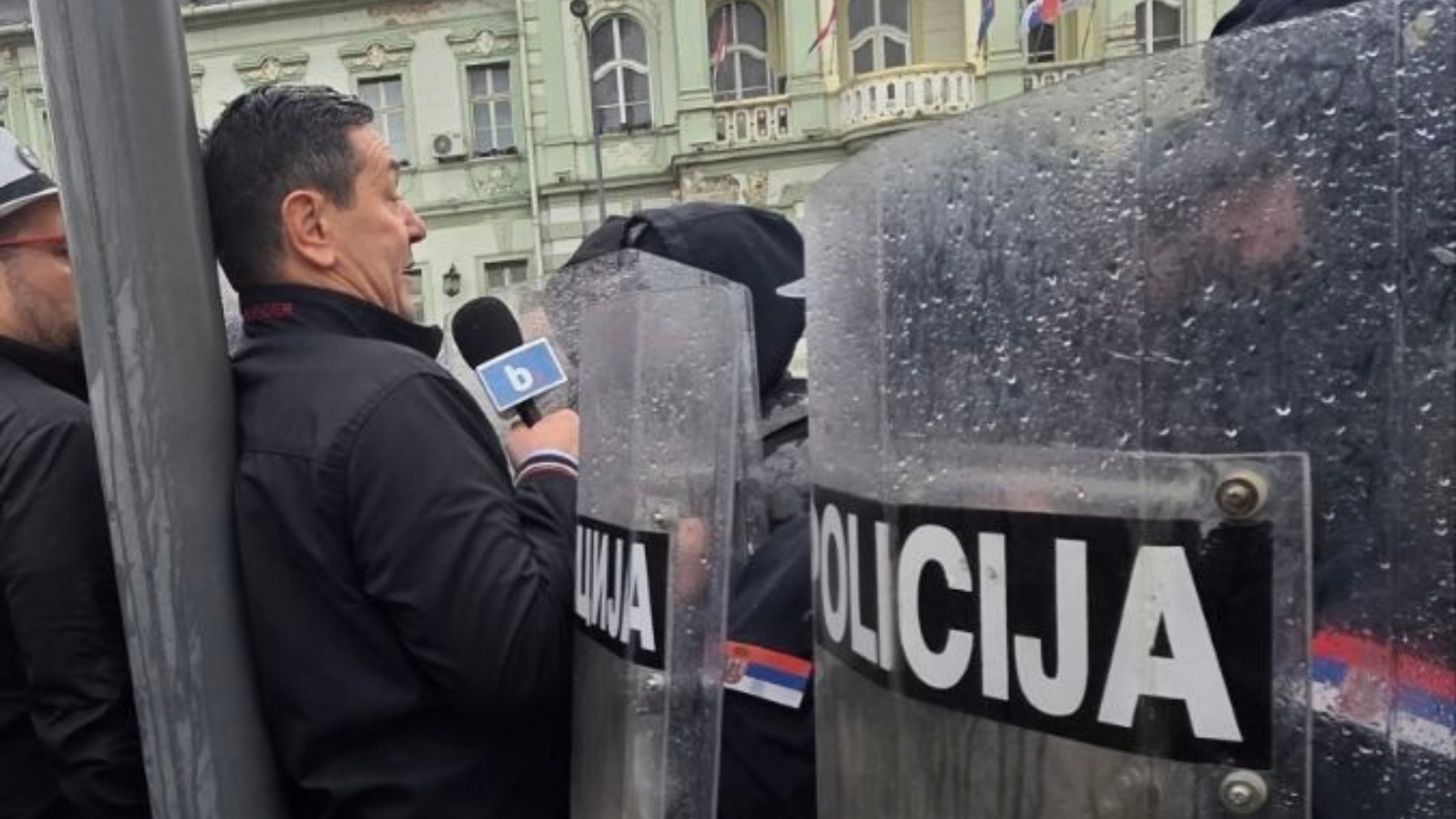
The training covered several thematic areas, including journalists' mental health, digital, social, and legal security, as well as physical safety concerning reporting from protests.

Regarding physical safety, discussions included what can be done, risk analysis, communication protocols, and emergency situations, whether events can be anticipated, and how newsrooms can better organize themselves.
The aim of this training was to raise awareness of safety within newsrooms reporting from the field and to establish protocols for the protection of journalists and media workers.
So far, similar trainings have been held at Radio-Television Vojvodina (RTV), Beta Agency, the Danas newspaper, Nova.rs, Wireless Media Group, Boom93, and for several journalists and media in Novi Pazar and Belgrade.
ANEM will continue to hold trainings in other newsrooms facing increased security risks.
The training was organized as part of the project "Improving the System Mechanism for Prevention and Response in Cases of Threats to the Safety and Lives of Female and Male Journalists in Serbia," implemented by ANEM in partnership with Insider TV and the Center for the Development of Local Media, with the support of the European Union.
The OSCE Mission in Serbia supported ANEM's project "24/7 SOS hotline for assistance to journalists and other at-risk media workers," as part of the project funded by the European Union "Strengthening Freedom of Expression and Media Freedom in Serbia."
Related Articles
Trauma-Informed Journalism: How to Report Responsibly on Crisis Situations and Traumatic Events
"Project co-financing of media has faced a fiasco": Media and journalism associations have sent recommendations to the Ministry for changes to the process.


.png&w=3840&q=75)