
Project co-financing of the media in Serbia: A meaningless process that must be completely changed.
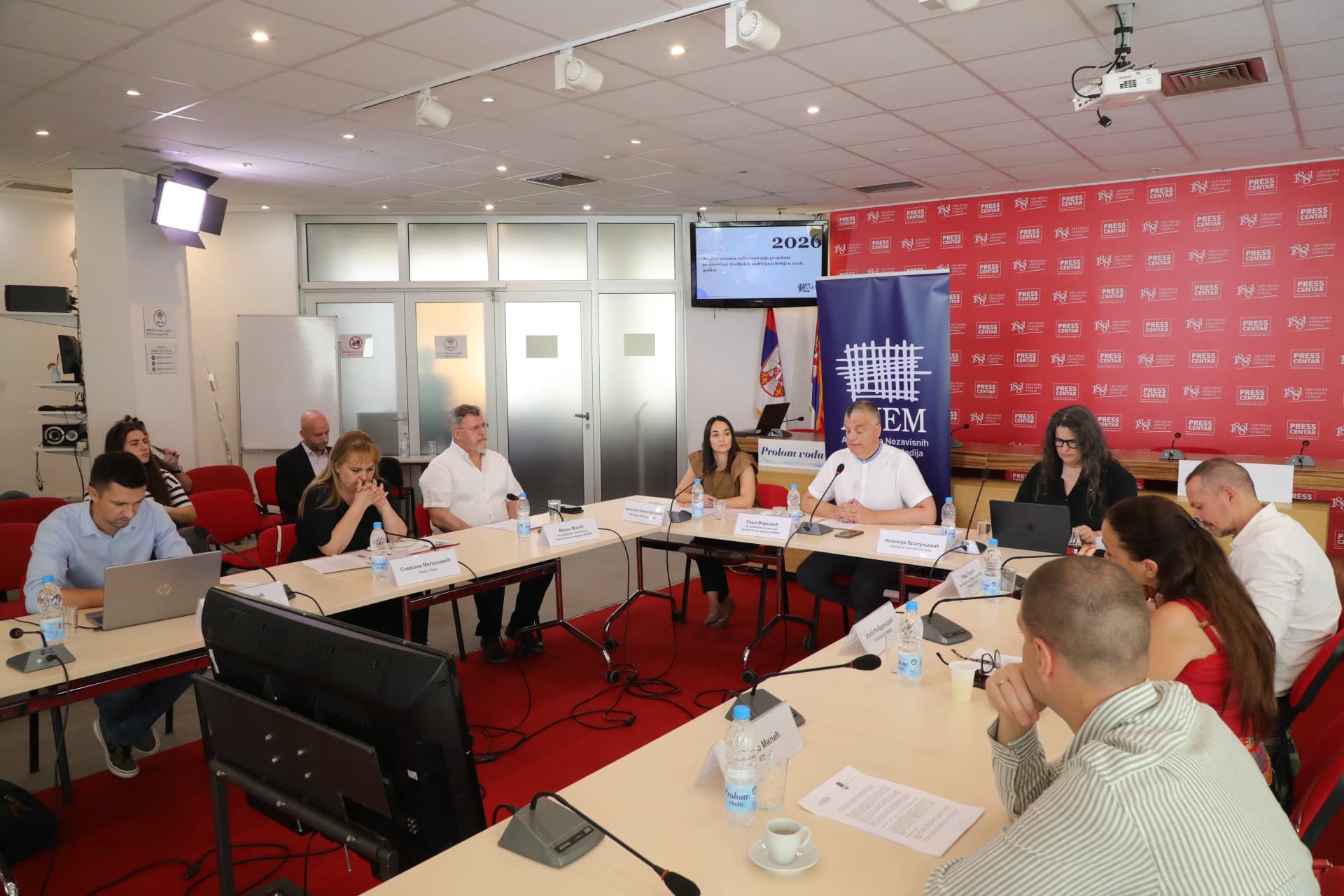
Project co-financing of media content in Serbia has become a meaningless process in which funds are allocated only to a limited number of media outlets and non-governmental organizations. Participants in a two-day discussion on project co-financing of media, organized by the Association of Independent Electronic Media (ANEM), agreed that the members of the committees evaluating projects lack sufficient expertise and that the system for scoring media professionals is inadequate. Representatives from 40 local media outlets participated in the discussion.
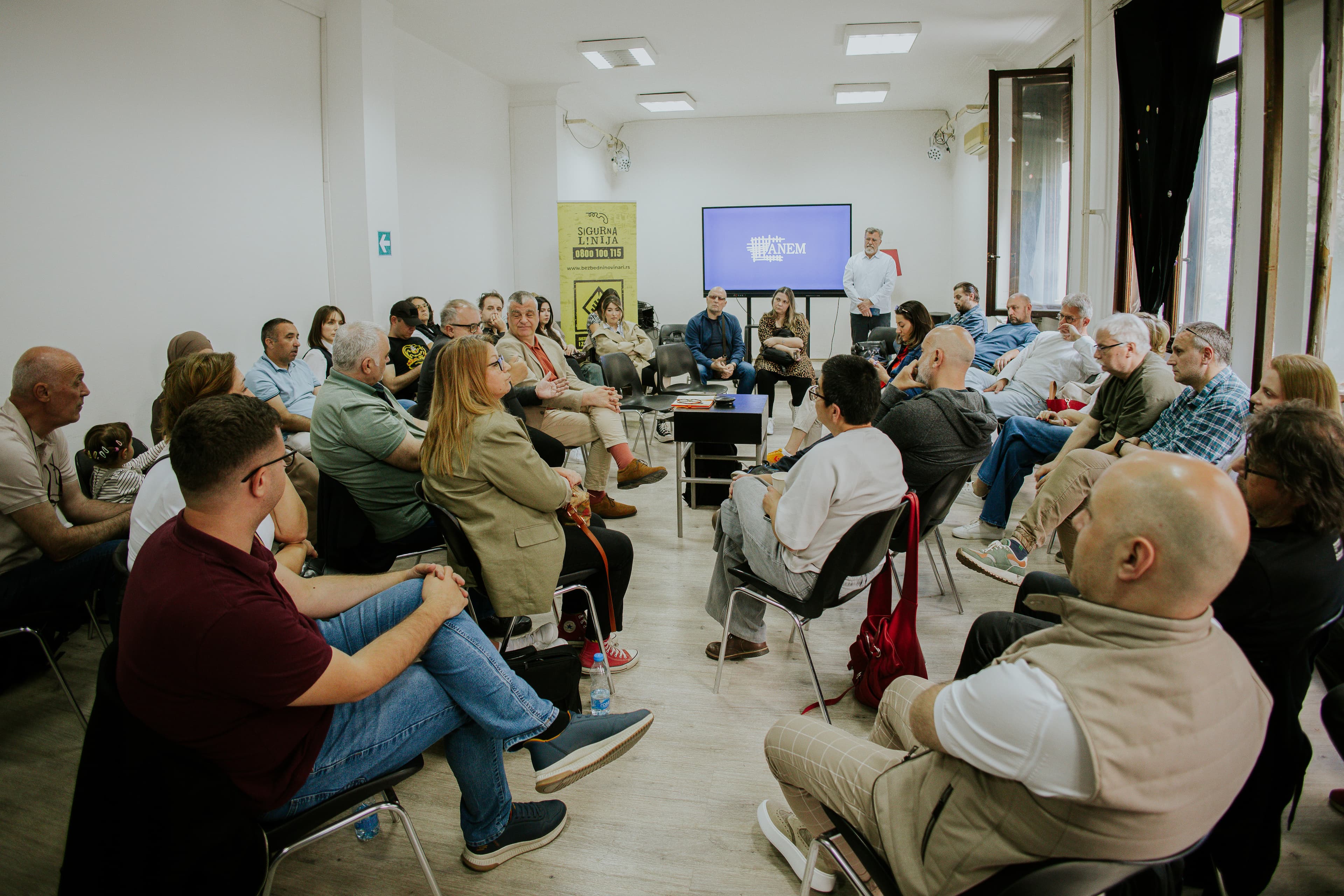
According to the joint assessment of the gathered media professionals, it is necessary to completely change the system through which the state supports information in the public interest in Serbia.
ANEM representative Saša Mirković reminded that significant funds are generated annually through project co-financing, approximately 15 million euros, and that the scoring engineering used to assess candidates for commission members represents a "vicious circle."
“This process of project co-financing of media content has turned into the opposite of what it was supposed to be. The question arises whether such project co-financing can be improved and regulated while this government remains as it is, or if it is a concept that is well thought out but has been fundamentally rendered meaningless in practice,” Mirković stated.
During the discussion, attendees pointed out that it is unclear who the media experts are that are members of the selection committees scoring 100 points, with many noting that they do not participate in competitions because they "waste resources and time applying for competitions where they never win anything."
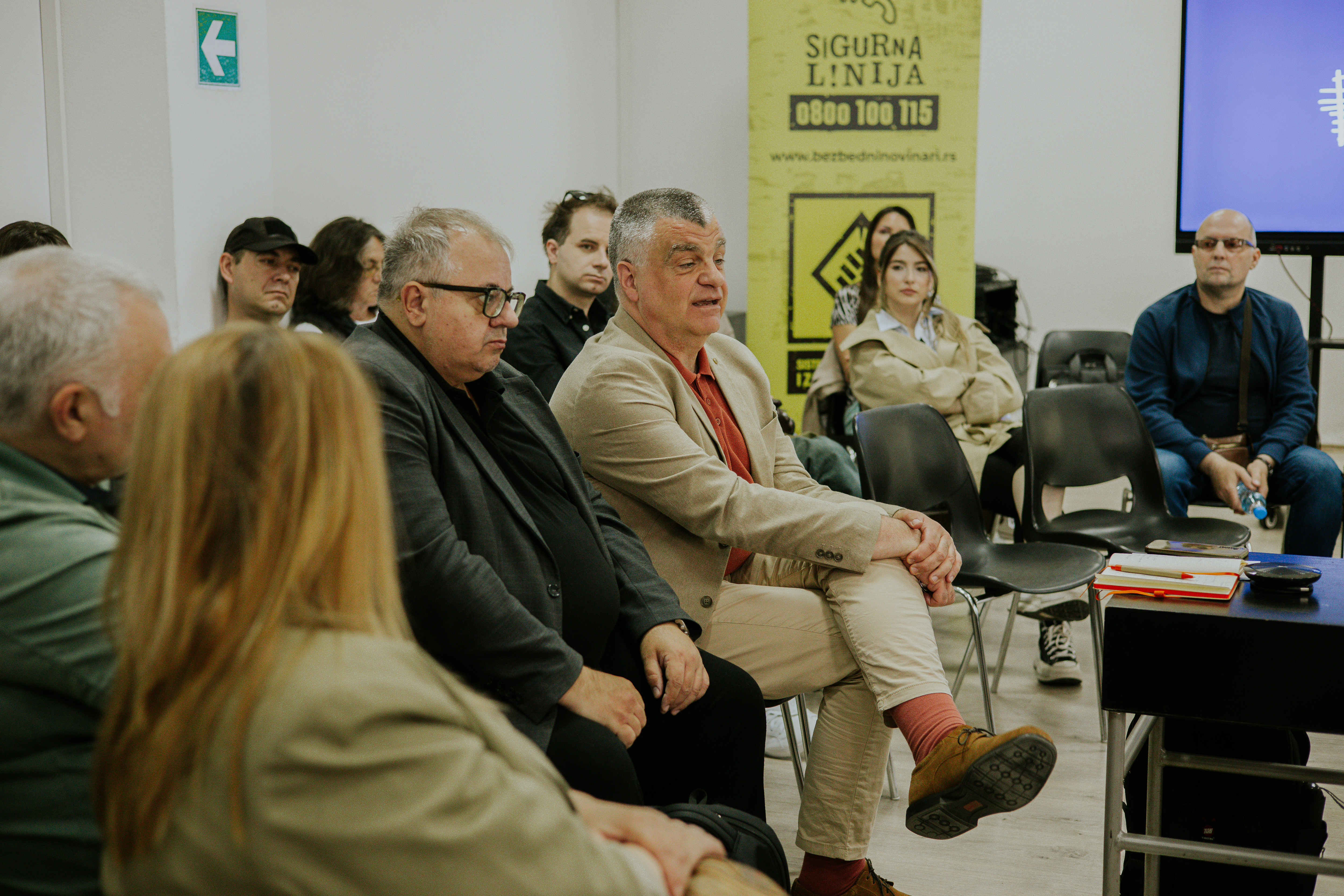
Kristina Demeter Filipčev from Bečej's Mozaik pointed out that it is still necessary to apply for grants, as it is essential to document all irregularities and decisions.
“We have conducted several analyses through which we have proven that there is plagiarism in the professional works of commission members, hallucinations of artificial intelligence, that these are not professional works, and that because of this and other issues, someone must be held accountable at some point. Reports on project justification should also be reviewed, further analyses conducted, and based on that, there will certainly be grounds for submitting applications,” she indicated.
Verica Marinčić from the Inđija portal IN Medija noted that significant funds are distributed based on the discretionary power of the mayor, while Natalija Jakovljević from Subotica's Magločistač emphasized that they do not apply for grants because they disagree with the methods of distributing funds and do not believe the commissions are professional.
Žarko Bogosavljević from Razglas News in Novi Sad believes that project co-financing should be abolished in all areas, not just in media, as it serves no purpose and is, as he assessed, "criminal extraction of money from the budget."
“It is necessary to find a new system for financially supporting the private sector,” Bogosavljević emphasized.
Sanja Petrov from Slobodne reči in Vranje stated that there should be a body that monitors the implementation of these projects and determines whether there are any abuses.
The project of the Association of Independent Electronic Media “Participatory Monitoring of the Implementation of the Project Co-Financing Process” is supported by the Dutch Ministry of Foreign Affairs through the MATRA program. ANEM is solely responsible for the content, which does not necessarily reflect the official views of the Kingdom of the Netherlands.
Related Articles

Results of 156 competitions: Most funding awarded to Alo, Informer, and their subsidiary companies, followed by media companies owned by Radoica Milosavljević.
"Project co-financing of media has faced a fiasco": Media and journalism associations have sent recommendations to the Ministry for changes to the process.


.png&w=3840&q=75)