
"Project co-financing of media has faced a fiasco": Media and journalism associations have sent recommendations to the Ministry for changes to the process.
This year, project co-financing of media content in Serbia has experienced a complete failure. As a result, journalism and media associations have today sent an official letter to the Ministry of Information and Telecommunications with recommendations for improving the entire process, as stated during the presentation of the Analysis of the Project Co-Financing Process of Media Content and Recommendations, organized by the Association of Independent Electronic Media (ANEM) at the Press Center of the Journalists' Association of Serbia (UNS).
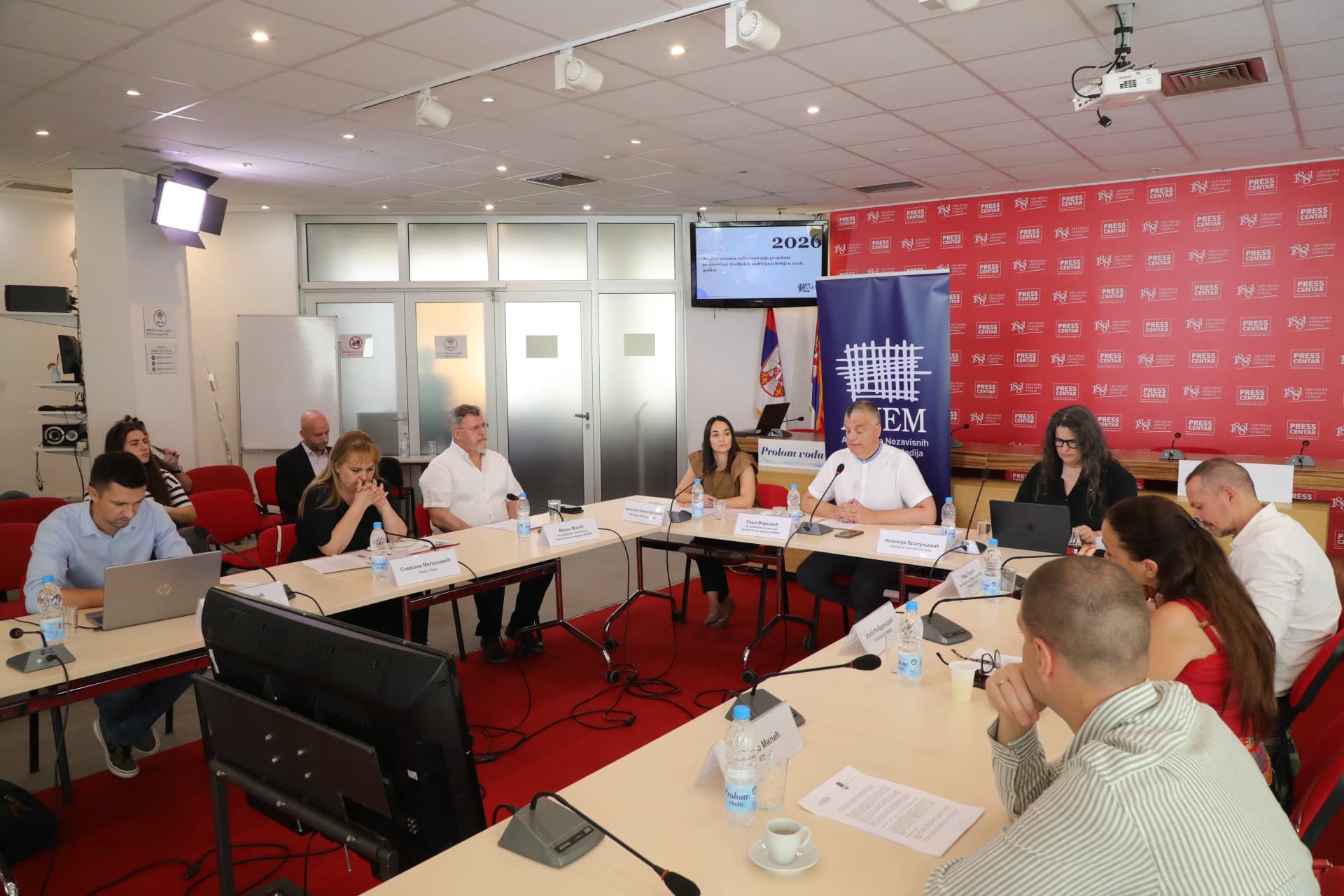
A letter was sent to the Ministry on behalf of ANEM, the Association of Journalists of Serbia (UNS), the Independent Association of Journalists of Serbia (NUNS), Local Press, and the Media Association.
Kristina Kovač Nastasić from UNS, presenting the Analysis of Project Co-Financing for 2026, emphasized that this system has deviated from its intended purpose of co-financing information in the public interest, which was particularly evident during the competitions this year.
She highlighted that to date, 153 competitions have been completed, distributing 1.84 billion dinars, or 15.7 million euros, and that 22 local governments announced competitions after the legal deadline of March 1, while Vrbas and Gadžin Han have yet to do so.
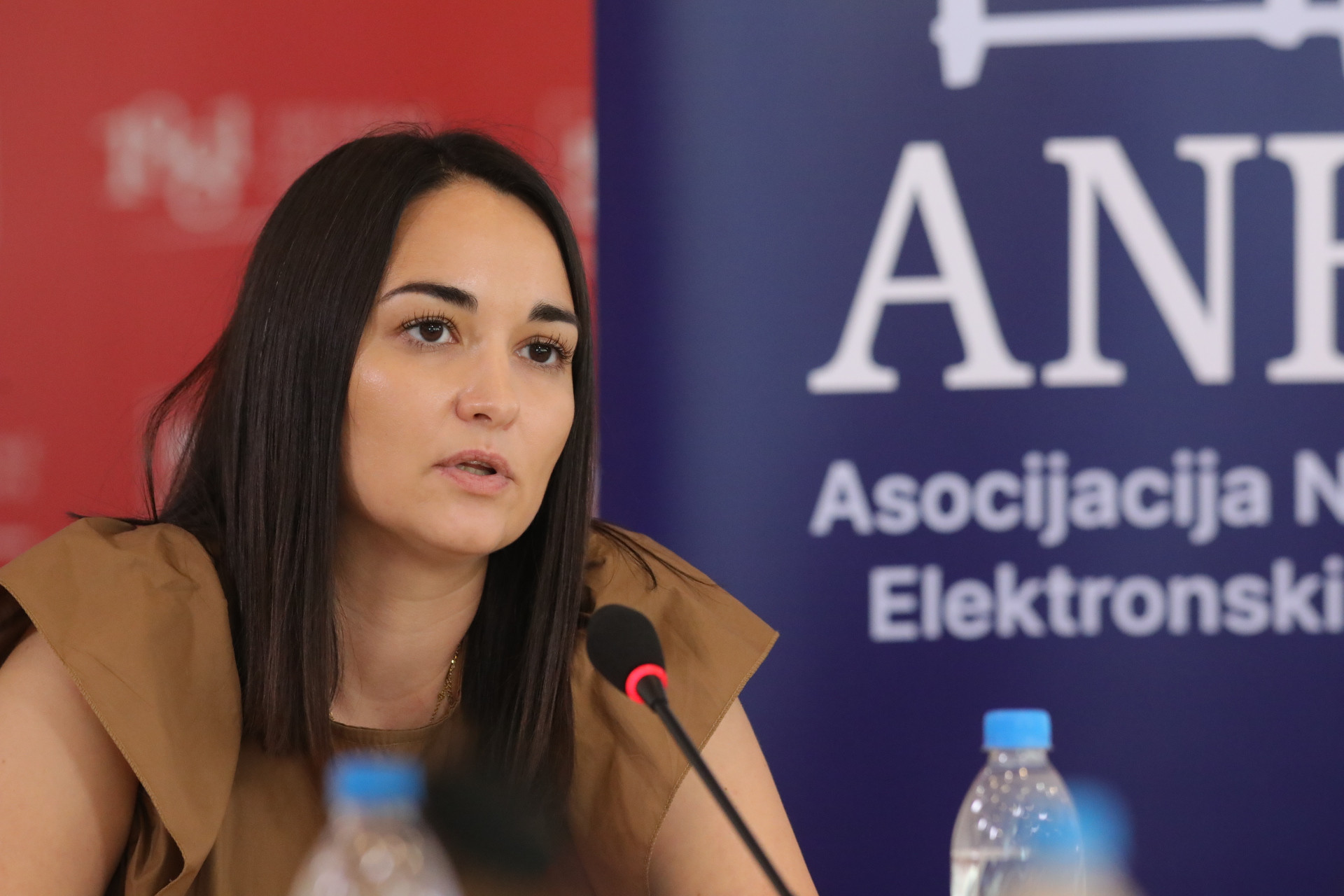
“Media outlets that have been critically oriented towards the government have been left without support this year or received minimal amounts, while those who systematically violate ethical and professional standards have received the most funding. For example, relevant journalistic associations that have dealt with the media scene and improving working conditions for journalists for decades have not received a single dinar this year,” Kovač Nastasić stated.
She also pointed out that the Unified Information System (JIS), initiated by the relevant ministry, fails to serve its purpose, is non-searchable, and it is impossible to determine when specific documents are published, as they are backdated.
“Project co-financing has experienced a fiasco this year. The most funding has gone to pro-government media. When we look at the media groups that received the most funds, the record holders are the publishers of tabloids Alo and Informer with their subsidiary companies that received over 185 million dinars, or more than 1.5 million euros, while media companies from the group of Radoica Milosavljević came in second with 122 million dinars. The project co-financing system has completely deviated from its intended purpose of ensuring transparency and supporting the public interest. This system has not served the public interest this year but has proven to be a mechanism for distributing public money to a known circle of media and publishers. In 2026, this process has been entirely rendered meaningless,” the UNS representative stated.
Media consultant Natalija Bratuljević, who presented the agreed recommendations from media associations, emphasized that if Serbia continues with this practice, public money will continue to finance “form without content and media without audience,” while critical journalism, which democracy requires, remains without systemic support.
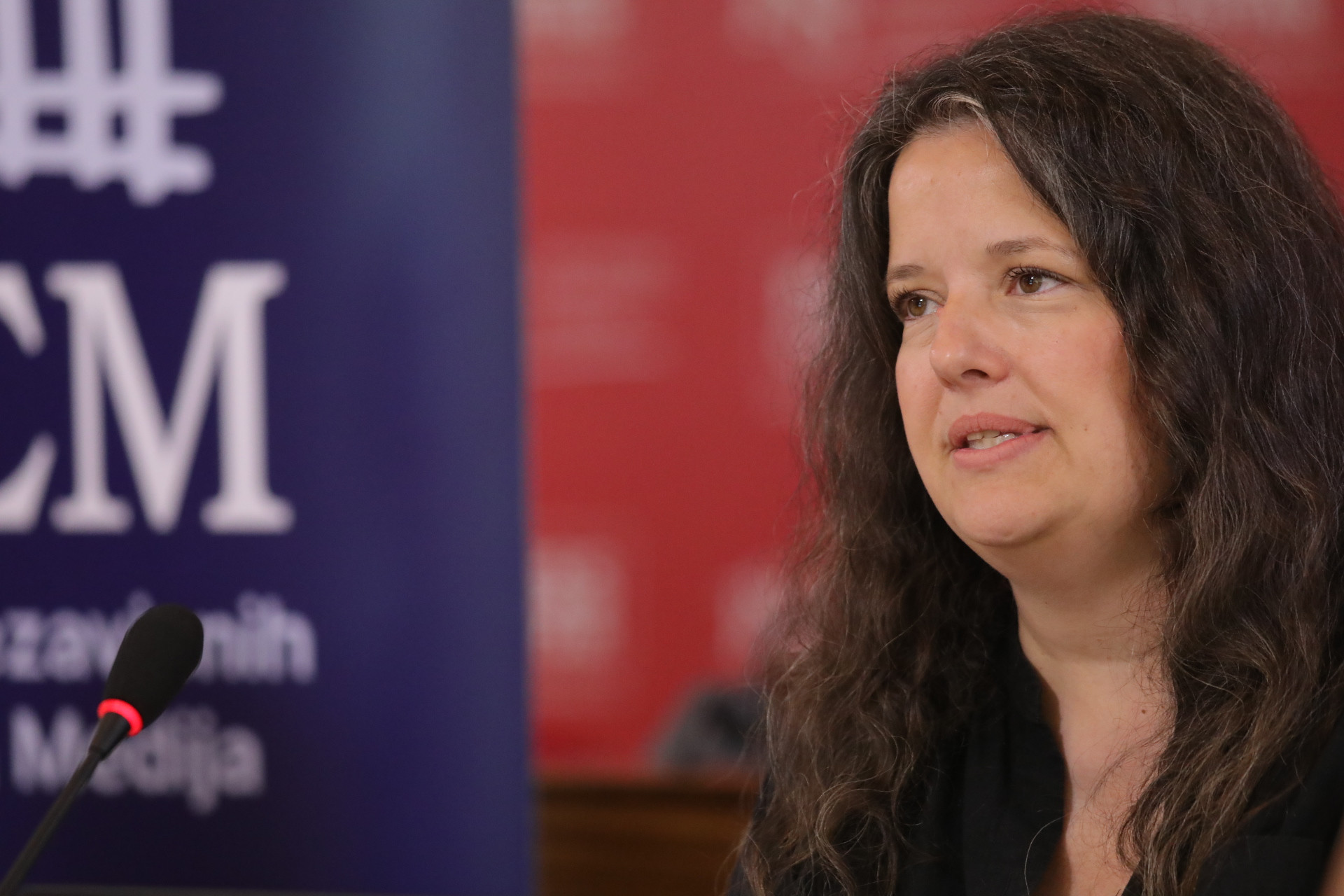
Among the recommendations she presented is the necessity to change the scoring system for committee members who evaluate projects and make funding distribution proposals, that all data should be published in a machine-readable format so that everyone can search and see how much public money each media owner received and how each committee member evaluated the projects, that local media with their own production and continuity in informing the local community should be prioritized in evaluations, and that precise criteria should exist for external evaluations of supported projects.
“Associations demand that media sanctioned five or more times during the year by a regulatory or self-regulatory body cannot participate in competitions, as budgetary funds should not go to those who violate professional and ethical standards,” Bratuljević stated.
Snežana Milošević from Local Press assessed that project financing has devolved into something referred to as a “mechanism for extinguishing local independent media,” characterized by low access to relevant news in projects approved by the committee, endangered media pluralism, and a flood of phantom media and associations.
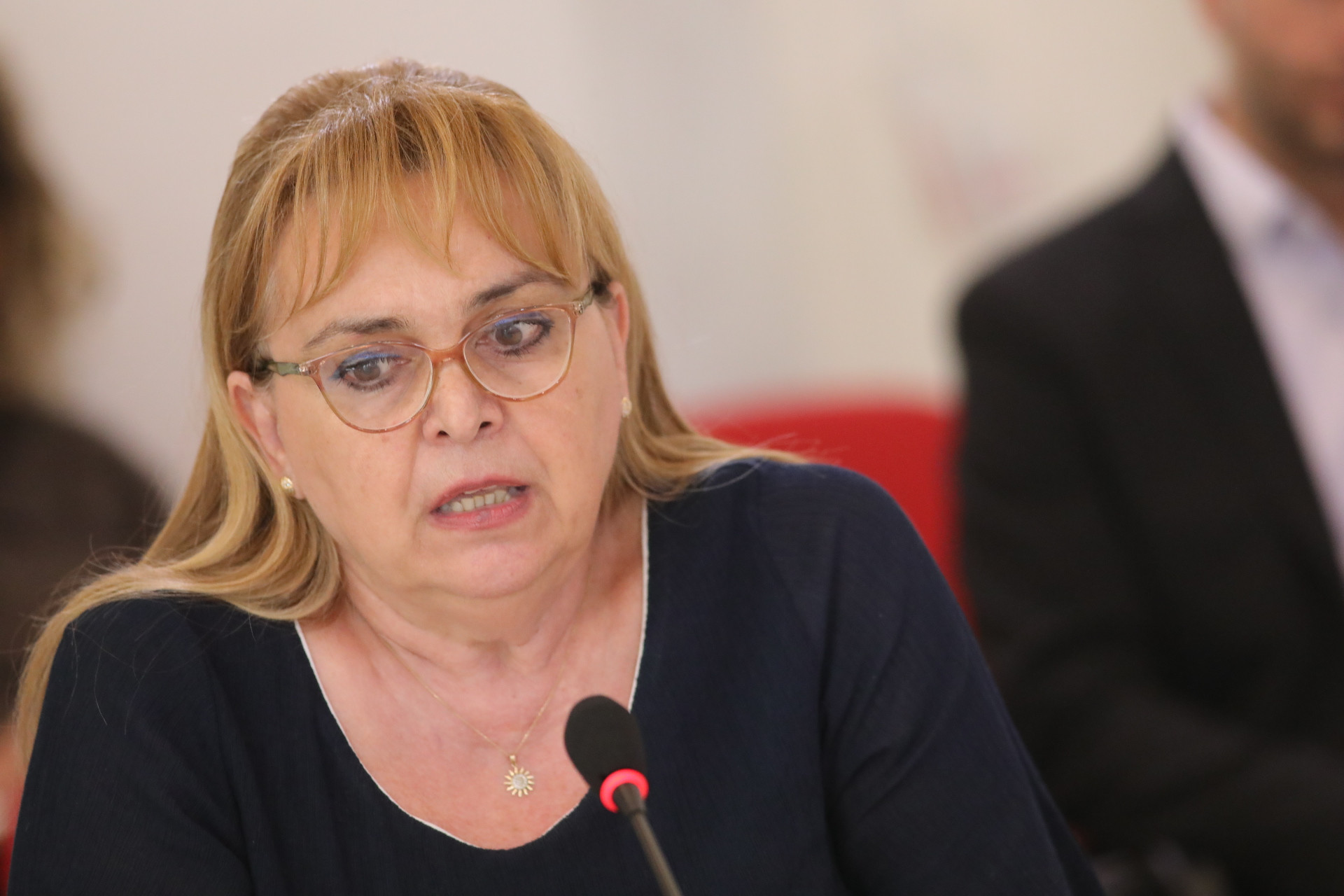
“We have reached a complete abuse of project co-financing. An analysis in the Šumadija region showed that more than 60 percent of approved projects deal with cultural heritage and tourism, which is not content of public interest for citizens living in those cities. Furthermore, funds are allocated to local media that have been acquired by national media in the last six months and which re-broadcast their owners' programs, with no original production or programming,” explained Milošević.
Rade Đurić from NUNS added that there are control mechanisms in Serbia that could put a stop to all of this, but they are not being utilized.
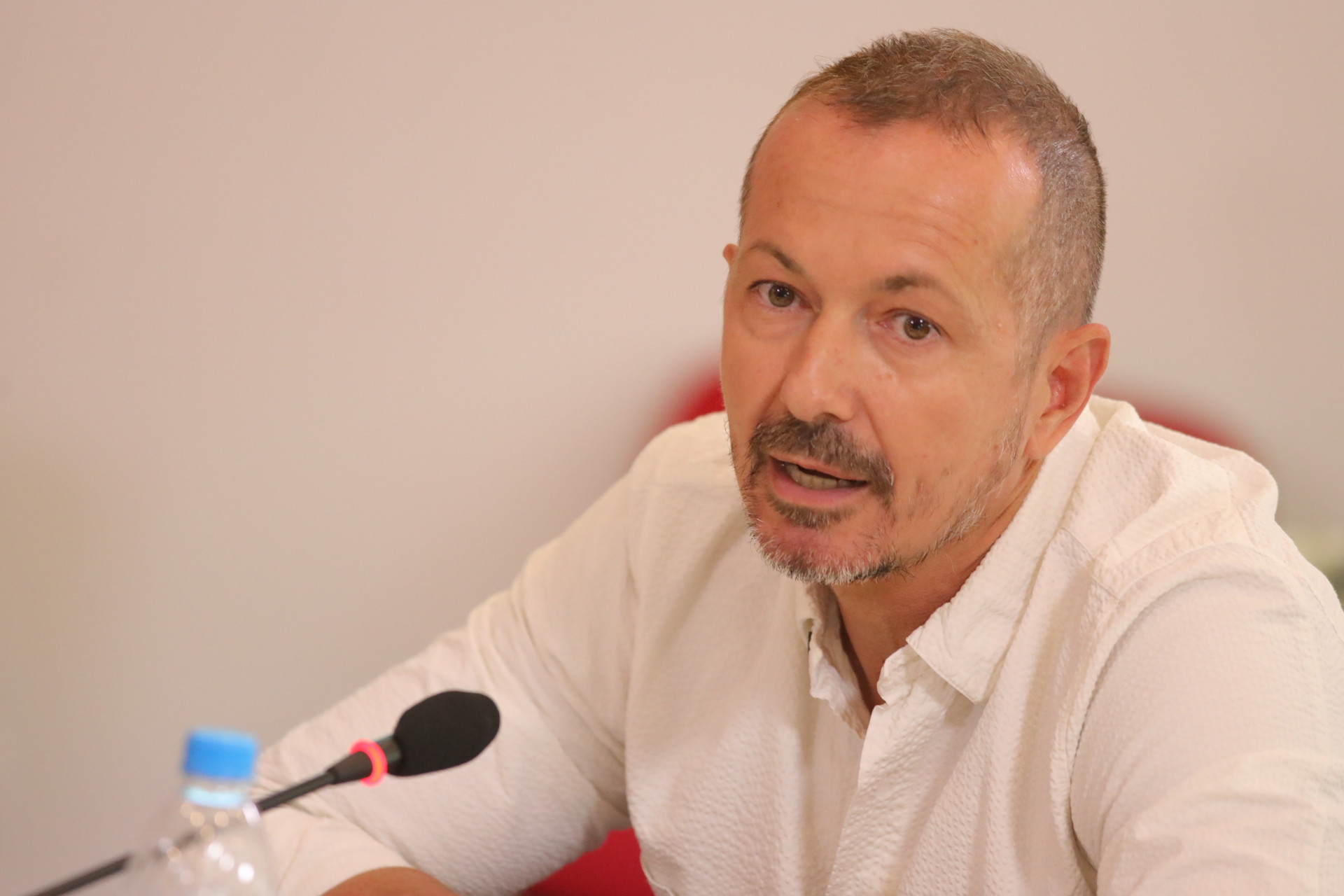
“It is important that we fight for information to become public so that we can present all these issues we are discussing, and so that controlling institutions can do their jobs. It must be determined whether these funds are being spent appropriately and for their intended purposes, or how the media have used the money belonging to all citizens,” Đurić stated.
Izabela Branković from the Media Association noted that one of the main problems is that the Ministry of Information and Telecommunications does not heed the recommendations of relevant media and journalistic associations.
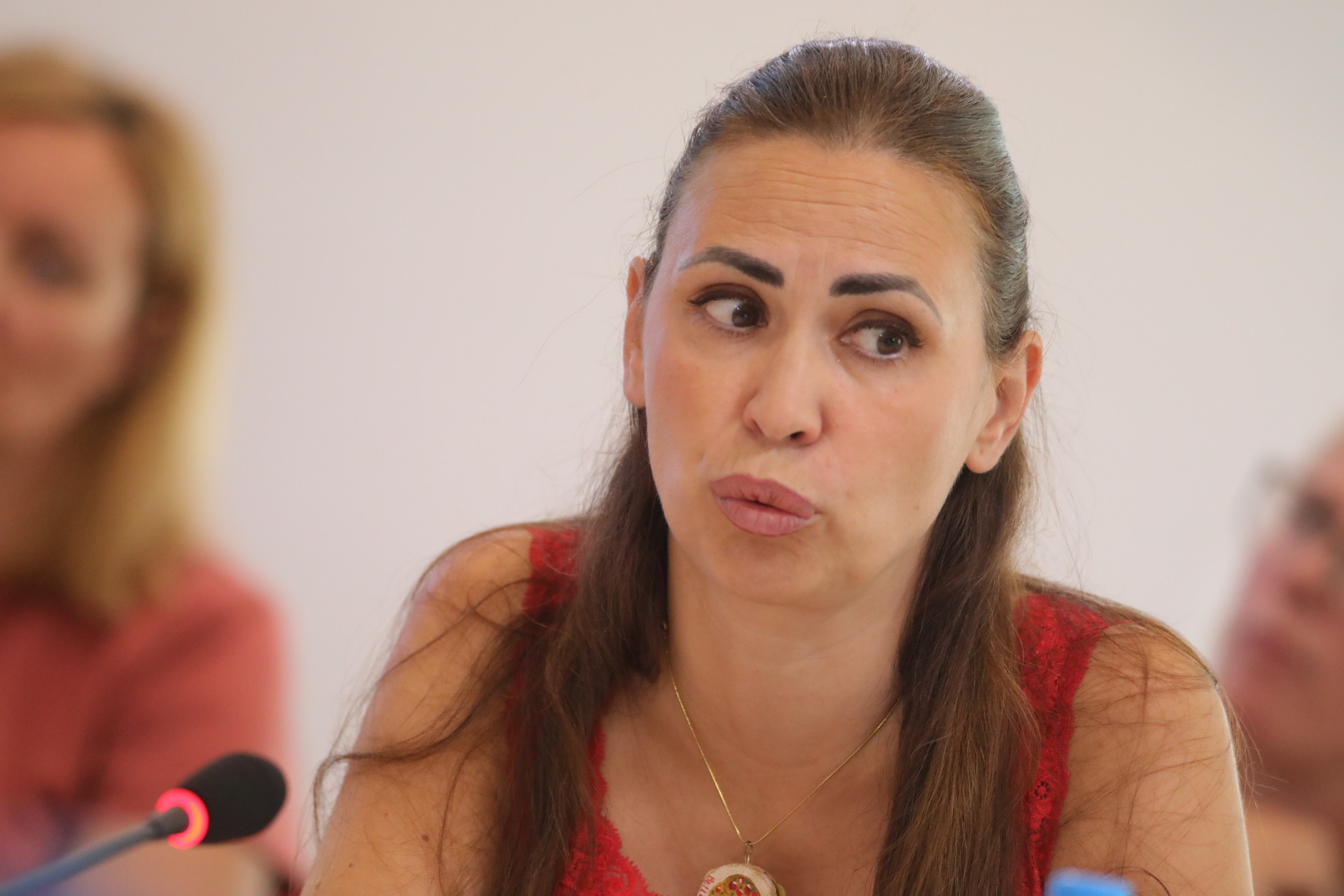
“It is not only local media in Serbia that are endangered, but also other professional and independent media that are fighting battles regardless of their adherence to the code and all professional standards. Today, the role of the entire process is in question, as the engineering has reached a peak level of machinations and manipulations,” Branković concluded.
Lawyer Veljko Milić emphasized at the gathering that the only mechanism left is to initiate criminal charges and activate the prosecution.
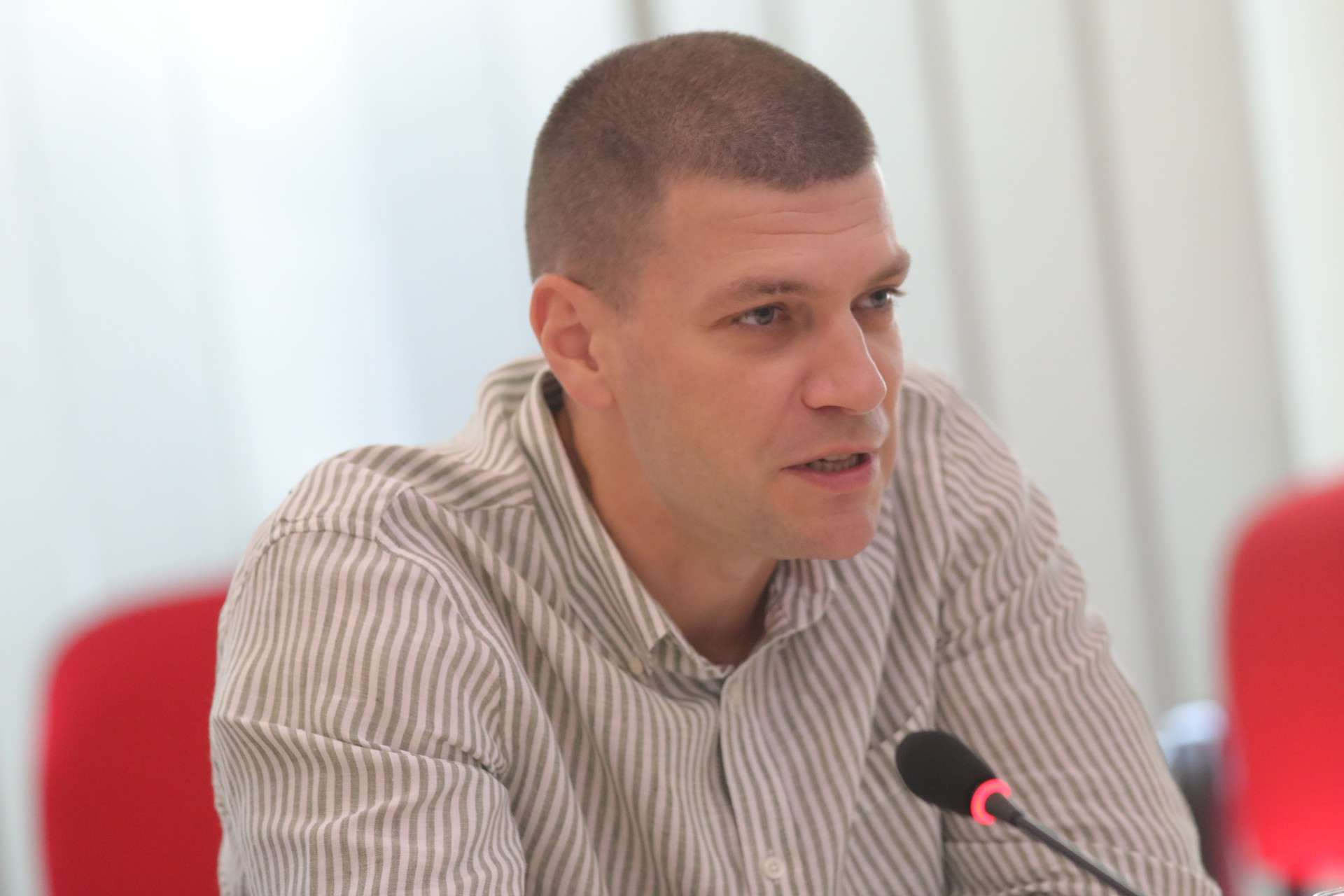
“If anyone had ever been arrested for fraud in project co-financing, and there have certainly been many, we would not be discussing such a situation today. The essence is that media outlets that spread hate speech, insults, and target individuals receive funding for projects, and this occurs in such a way that four days before the end of the year, these media publish articles that are funded, which contribute nothing to the public interest, nor offer anything new,” Milić assessed.
Chairman of the ANEM Board Veran Matić stated that he has been engaged in journalism for 40 years and that professional and independent media have never been able to expect fair treatment here.
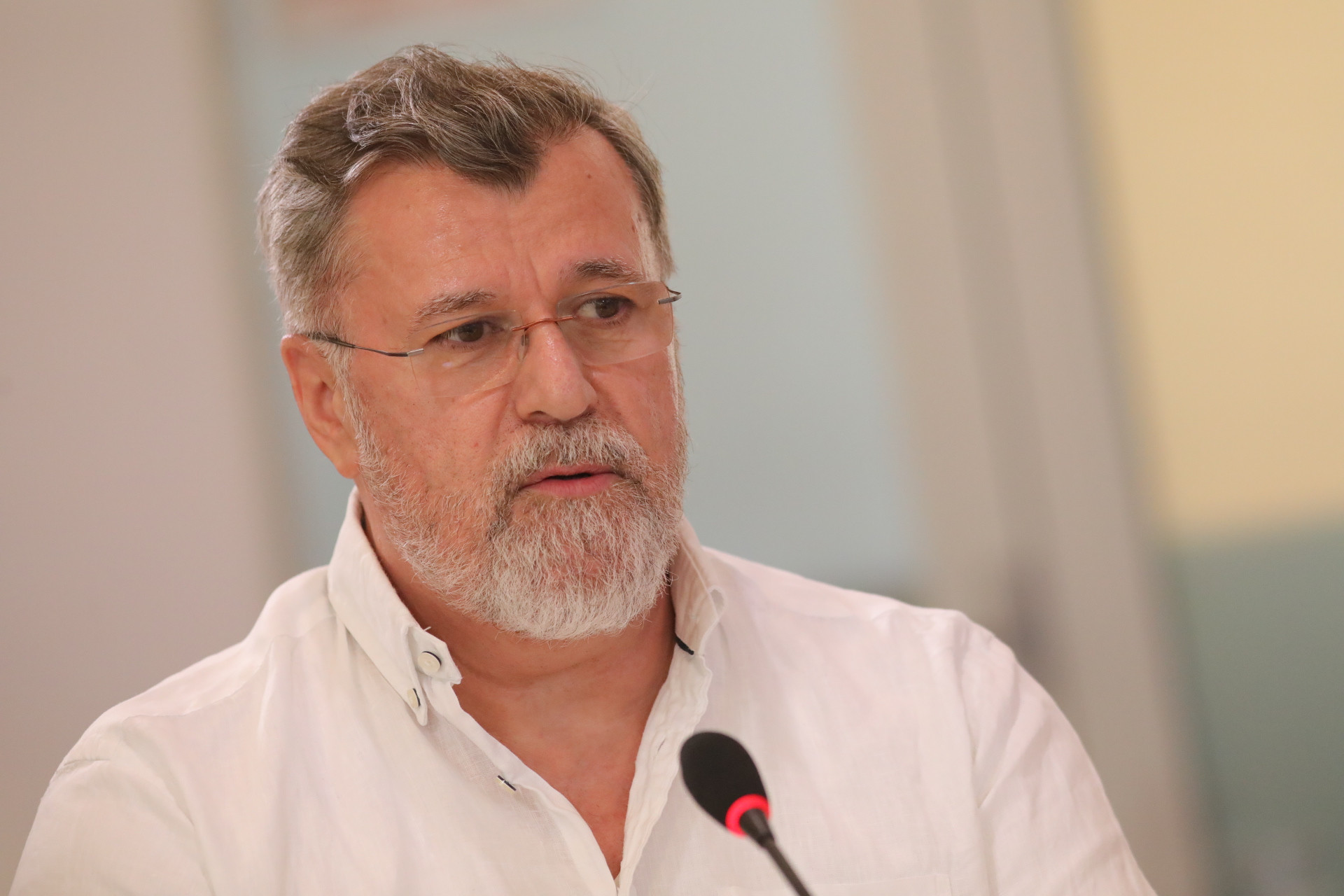
“Today, money is given to those who are the greatest violators of the code and the largest producers of lies. This is a strategy for destroying independent and professional media, and it is a process that is ongoing, and therefore we must build new strategies to enable local and other media to survive this ordeal. A large number of them are on the verge of extinction, and this is something we need to work on together and discuss with representatives of the international community. We need to tell them that almost everything has been destroyed here thanks to this regime and that the EU must enable mechanisms for media survival so that we do not reach a ‘scorched earth’ scenario when it comes to professional journalism,” Matić added.
The complete Analysis of the Project Co-Financing Process for Media Content for 2026 is available at this link.
The recommendations that media and journalistic associations have officially submitted to the Ministry of Information and Telecommunications can be downloaded at this link.
The project of the Association of Independent Electronic Media “Participatory Monitoring of the Implementation of the Project Co-Financing Process” is supported by the Dutch Ministry of Foreign Affairs through the MATRA program. ANEM is solely responsible for the content of the analysis, which does not necessarily reflect the official views of the Kingdom of the Netherlands.
Source: Press Center UNS / YouTube
Related Articles

Results of 156 competitions: Most funding awarded to Alo, Informer, and their subsidiary companies, followed by media companies owned by Radoica Milosavljević.
The same commission members and the same media: The five largest beneficiaries received nearly three quarters of the funds in Sandžak.



.png&w=3840&q=75)