
The situation in the media is more complex than in the nineties.
The situation in the media today is more complex than in the 1990s, but they will survive as long as there are journalists who are dedicated to their profession, it was concluded today in Novi Pazar during the panel discussion "More Than News."
.jpg&w=3840&q=75)
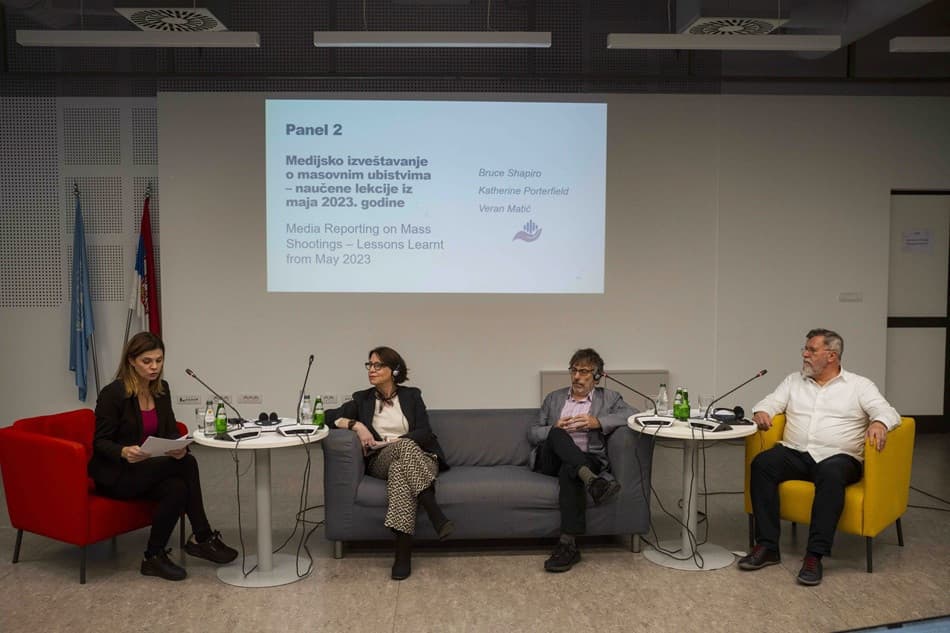
On this topic, as part of the debate program of the Mikser Festival, the following individuals discussed: the president of the Management Board of the Association of Independent Electronic Media (ANEM), Veran Matić; communication expert Snježana Milivojević; and journalists Tamara Skrozza, Nusreta Brunčević, and Amela Bajrović.
It was highlighted that numerous studies have confirmed that Serbia is the country in Europe where it is hardest to be a journalist, and that the situation in smaller communities further exacerbates this difficulty.
This current topic attracted significant attention, particularly from younger visitors, who expressed concern for the survival of independent media.
They were interested in how to recognize real news amidst a sea of disinformation; how journalists feel in conditions of hyperproduction; and how citizens can help bring about a positive change in the situation.
Milivojević stated that citizens must understand that the media are their institutions and that they should support them.
“The media must turn to their audiences, and audiences must turn to their media. Citizens need to realize that the media is a space where they exchange opinions, where they learn about the world they live in, and where they call public authorities or powerful individuals in society to account,” she believes.
Emphasizing that cheap information results in a flood of disinformation, this university professor explains that there are now generations of young people who believe that information has no value and that it originates in the wastelands of the internet.
“The production of information involves people who have been educated for that purpose and institutions that have made it possible. It is a large operation that must be maintained, so the choice is again up to the citizens. You will either receive cheap, free information and then spend hours and days searching for something reliable on the internet, or you will pay for quality information and enable those who know, can, and have a responsibility to the public to produce quality content in the public interest,” she emphasizes.
She advises citizens to pressure public authorities to support media that serve their basic needs, rather than those that poison the media space, spread hate speech, sow ignorance, and promote conspiracy theories.
Belgrade journalist Tamara Skrozza emphasized that journalists need to prepare for the day after, for October 6, and that investments in youth are necessary to preserve the profession, which she believes will survive as long as there are journalists who live their work despite all difficulties.
“If I could change one thing, I would wish for the media to no longer depend on donations, but solely on the market. This is very far from realization at this moment, but that is my dream, to reach the day when we live from the market, from the audience, and live with dignity,” she said.
Nusreta Brunčević, editor of the Takt Info portal from Novi Pazar, reminded of the student contribution to the “New World” and the change in the media image of Novi Pazar in Belgrade and throughout Serbia.
She emphasized the necessity of community unification in the fight for media freedom.
“We can only preserve journalism through the approach of freedom, community, this type of networking, and such discussions. All of this is up to us, and the only thing that can save us is ourselves, not some larger institutions, funds, or organizations,” she said.
Veran Matić, president of the ANEM Management Board, assessed that building independent media that operate in the interest of citizens is a significant challenge, and that a closer relationship needs to be developed between users and those who produce news.
“We must exert pressure to get what public service should provide for our money, but does not. In Serbia, public service is in the service of power, and we do not have it as such, but rather as a propaganda center. We, as citizens, must fight for quality news and against those who pollute the media and social space,” concluded Matić.
Source: Free Media
Related Articles
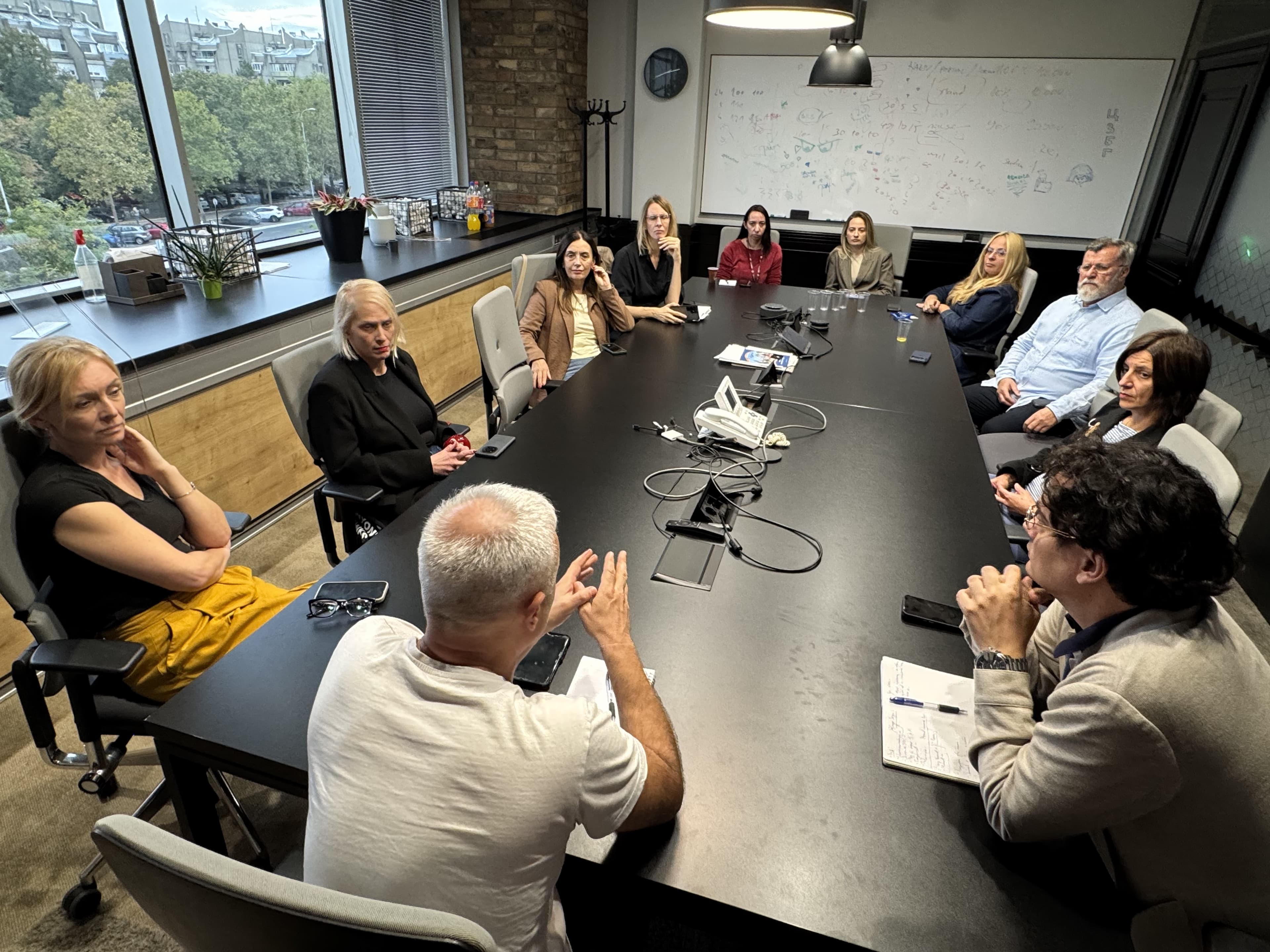
Journalistic associations provided support to the editorial team of Nova.rs: Ongoing communication and updates with international stakeholders agreed upon.

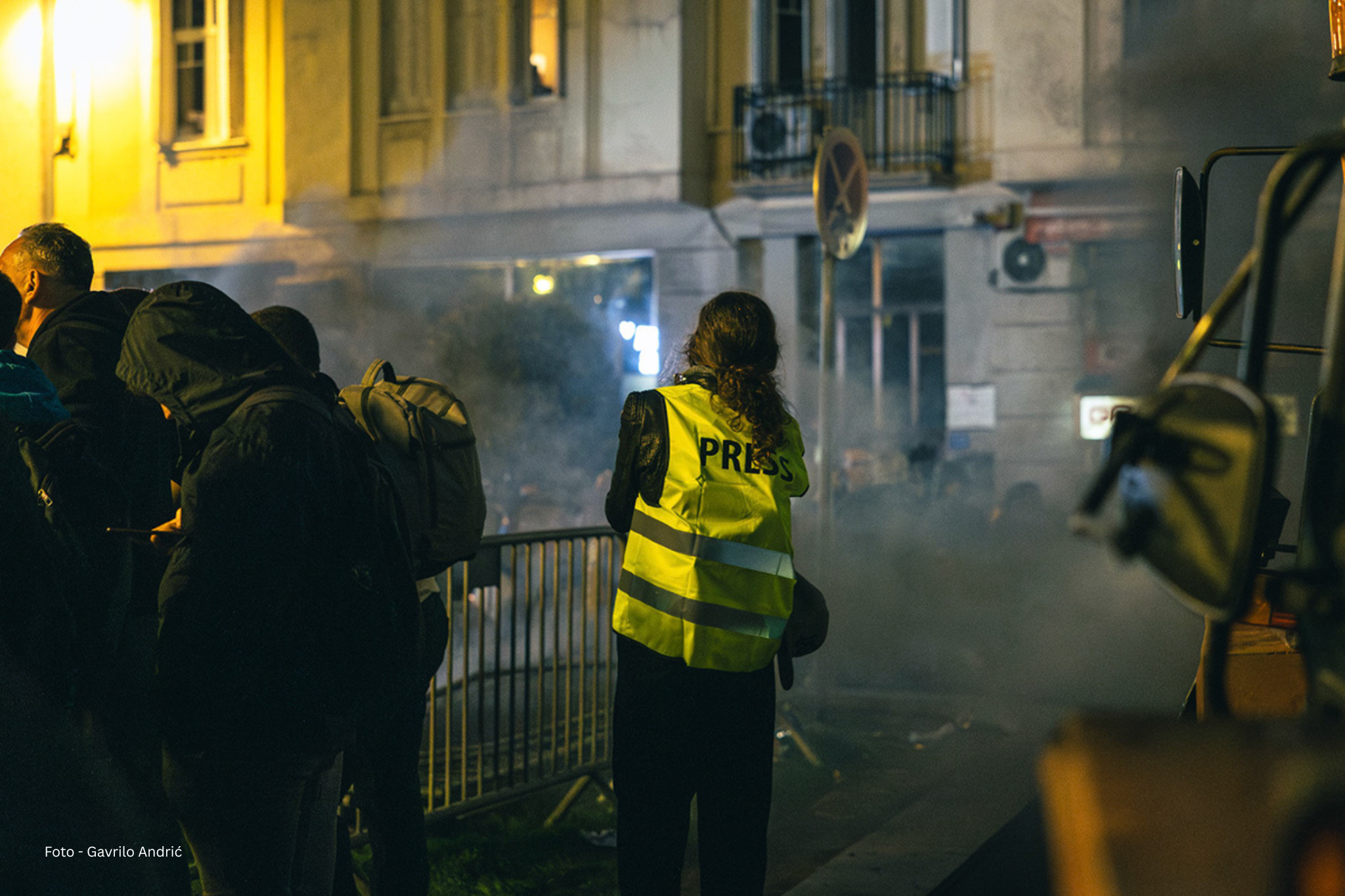
Coalition for Media Freedom: Stop Attacks and Harassment of Journalists During the Election Campaign


.png&w=3840&q=75)