
Serbia is heading towards elections without the Regulatory Authority for Electronic Media (REM) and with an increasingly dwindling number of professional media outlets.
In the offices of the Storyteller editorial team, a panel discussion was held yesterday on the deep social divisions that have long been a source of conflict and misunderstanding in Serbia. The conversation also addressed the media landscape, which is dominated by outlets that do not adhere to professional standards and instead contribute to the creation of two opposing sides.
During the panel discussion, opposite the Storyteller's premises, members and supporters of the Serbian Progressive Party set up a promotional stand. They declined the invitation to attend the panel and participate in the dialogue.
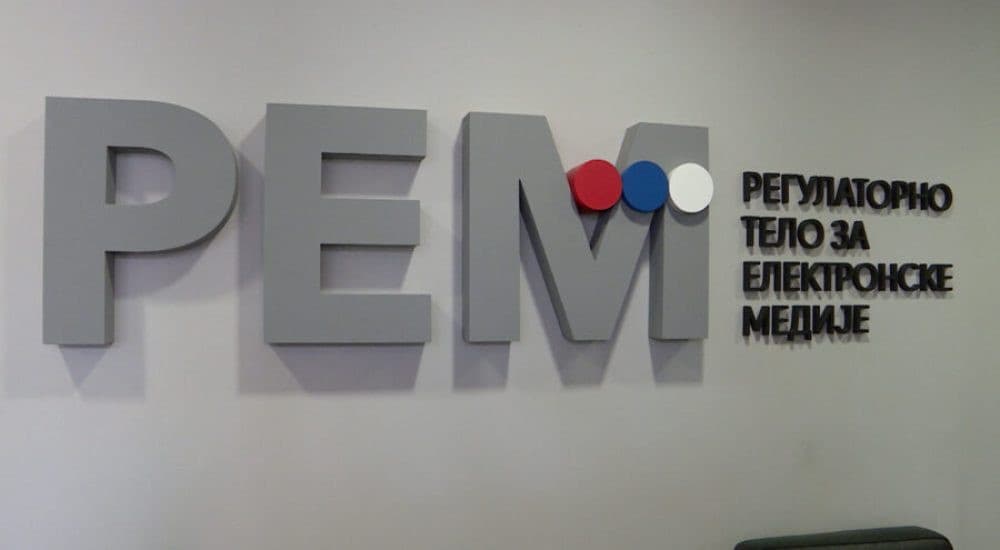
It was also an opportunity to hear how, a year and a half ago, the mandate of the members of the Regulatory Body for Electronic Media (REM) expired in Serbia. Since then, the institution responsible for monitoring media operations, issuing broadcasting licenses, imposing warnings, initiating misdemeanor proceedings, and generally protecting the public interest has not functioned.
Instead, certain media outlets with national frequency are freely spreading hate speech and overt propaganda, and they have been giving airtime to convicted war criminals, as shown by the latest monitoring report on hate speech in the media conducted by the Institute for Media and Diversity – Western Balkans. On top of that, there is no one to react and apply legal mechanisms, just as there was no response to the recent brutal physical violence in a reality show on Pink television.
Even previously, REM did not do its job, says Maja Stojanović, executive director of the organization Civic Initiatives. However, at least there was an institution that could be considered responsible for the state of the media, she adds.
“As long as this regime is in power, I don't think we can get a functional REM. The only way is for the authorities to be pressured by the process of European integration, thus seeing their interest in building a functional body. Again, it would be a question of how well it could operate in this system,” notes Maja Stojanović.
Last autumn, the authorities' attempt to illegally secure a majority in the REM Council with the help of certain minority national councils failed. There are still no new announcements regarding the formation of this body being back on the agenda. There is much talk about the elections, but when they will be is unknown, raising the question of how the pre-election campaign will function without a body that should oversee and control it. Maja Stojanović believes that the formation of REM should be a mandatory requirement before elections, but there is no one to address this to.
“We have a regime whose only goal is to remain in power. Their aim is not the betterment of society or any kind of social reform. The most important thing now is for professional media to survive and for them to be supported. Then, those media and society need to find channels for communication and work together to reach as many people as possible,” Stojanović believes.
She asserts that the survival of the media will also depend on the extent to which their name and work can be associated with verified information. When there is no body to act as a control mechanism, the media's operation depends solely on personal decisions regarding whether to adhere to journalistic standards. Stojanović states that such a situation suits the authorities, which is why it drains the time and energy of all those who care about having a body in Serbia that will oversee the media.
“When it comes to the selection of members for the REM Council, this has been their strategy from the beginning. Their main priority is to make people give up the fight, and this is their strategy not only for the media but for everything else. When they see people are interested in a topic, they drag it out, as time and cynicism are on their side,” says Maja Stojanović.
Society Does Not Understand the Role and Importance of Media
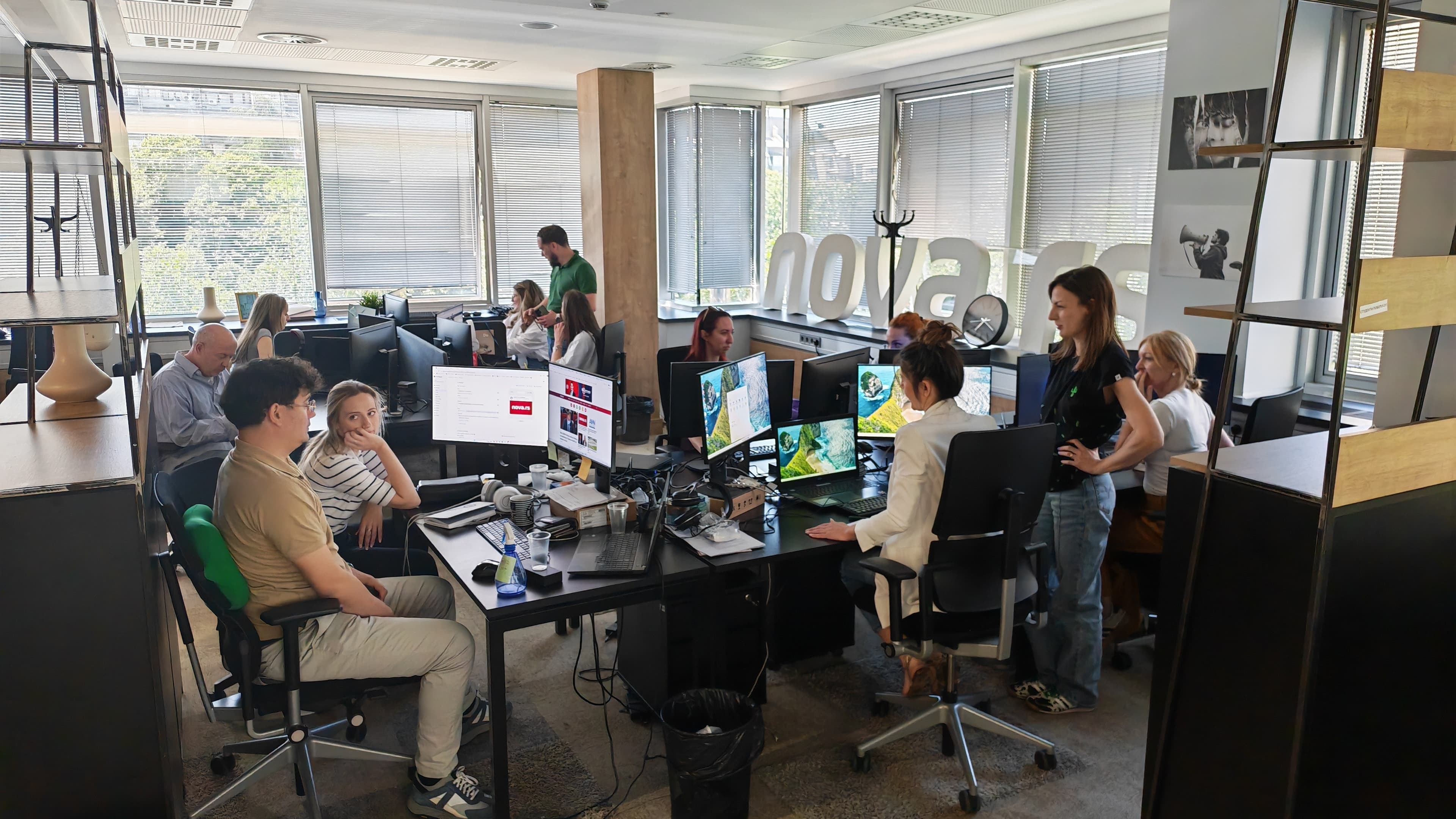
The uncertain situation faced by the media of the United Group, especially N1 and Nova S, further complicates access to accurate news. If the management changes in these media outlets mean a change in the way they operate, the only guardians of professional reporting will be local media, which are few in number and operate under very challenging conditions, says Jelena Kleut, a former associate professor at the Faculty of Philosophy in Novi Sad.
“In the previous local elections, it was shown that some local media are extremely dedicated and brave, so I believe they will be key transmitters of information,” Kleut notes.
She believes there is a misunderstanding in society regarding the role and importance of media. Professional journalism is that which does not belong to anyone and does not advocate anyone's views. Society often forgets this and thinks it can dictate media operations, expecting them to channel civic dissatisfaction and anger into their programs, emphasizes Jelena Kleut. In return, society often remains silent when it comes to supporting the media or insisting on accountability in scandals that the media uncover.
“When journalists uncover major stories and information, society should demand that those responsible act appropriately, but often, society stays on the sidelines. Such a relationship creates a sense among journalists that their efforts are in vain, as they invest significant time and effort to uncover something, only for citizens to remain insufficiently engaged,” says Jelena Kleut.
Whenever a change of power occurs in Serbia, it will take a long time to rebuild all those institutions that have not functioned. This will also involve educating citizens so they better understand the role of the media, which should not be expected to support personal and individual opinions, Kleut emphasizes.
“Of course, journalists are also subject to criticism, just like all people in the public sphere, but discontent does not have to be expressed over every guest with whom you disagree or every headline that deviates from your opinion,” concludes Jelena Kleut.
Source: Storyteller
Related Articles
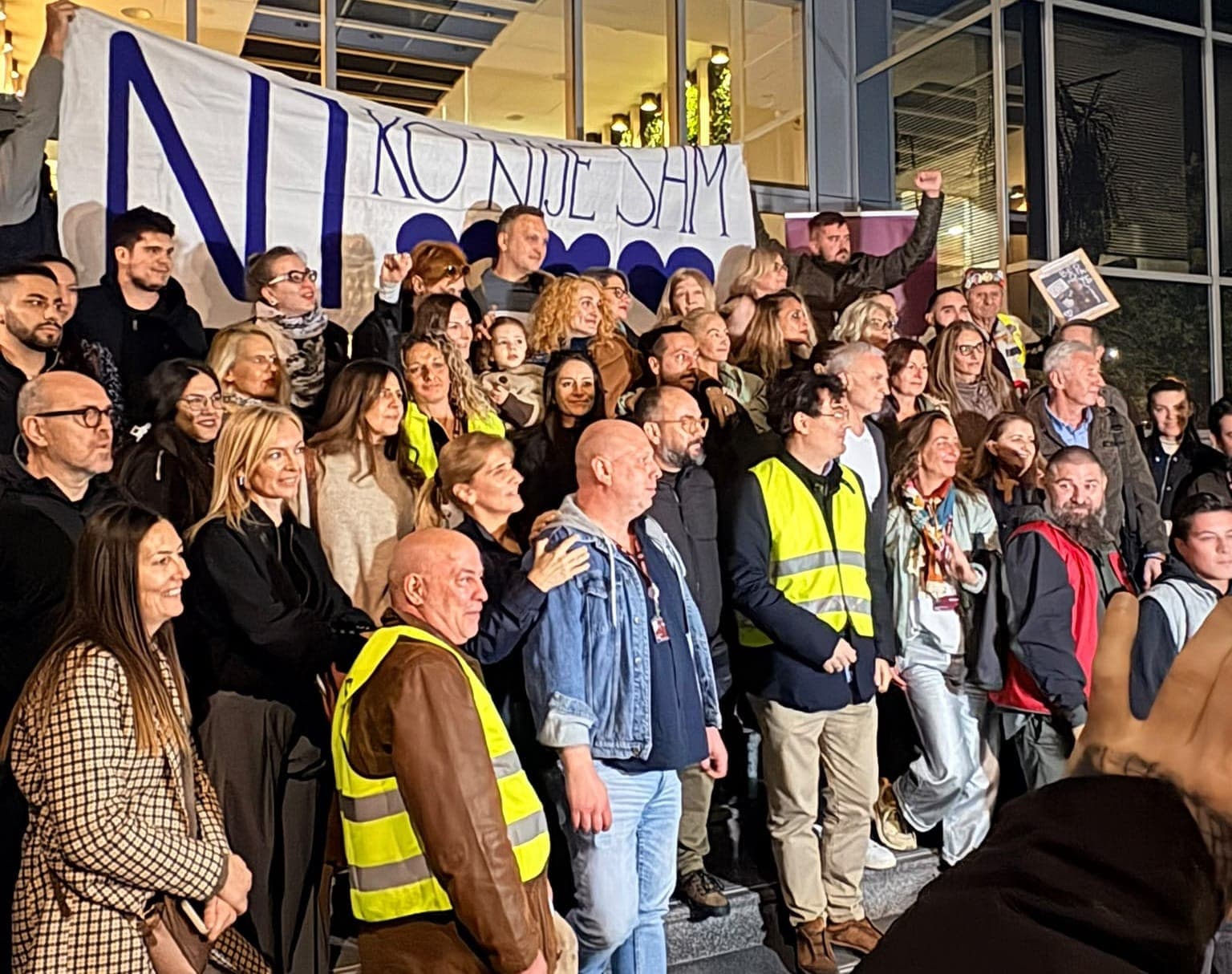
Open letter from the editorial team of Nova.rs to Dejan Kocić, Director of United Cloud: Don’t say tomorrow that you were "just doing your job."
ANEM joins the protest of journalists from Nova.rs.


.png&w=3840&q=75)