

Report: Every other female journalist in Serbia has experienced sexual harassment.
Every other female journalist in Serbia has experienced sexual harassment, with 50 percent of the incidents involving colleagues, it was said today at the round table "Protection of Female Journalists Reporting on Corruption and Violence," where it was emphasized that reporting from the field has been extremely dangerous over the past year.

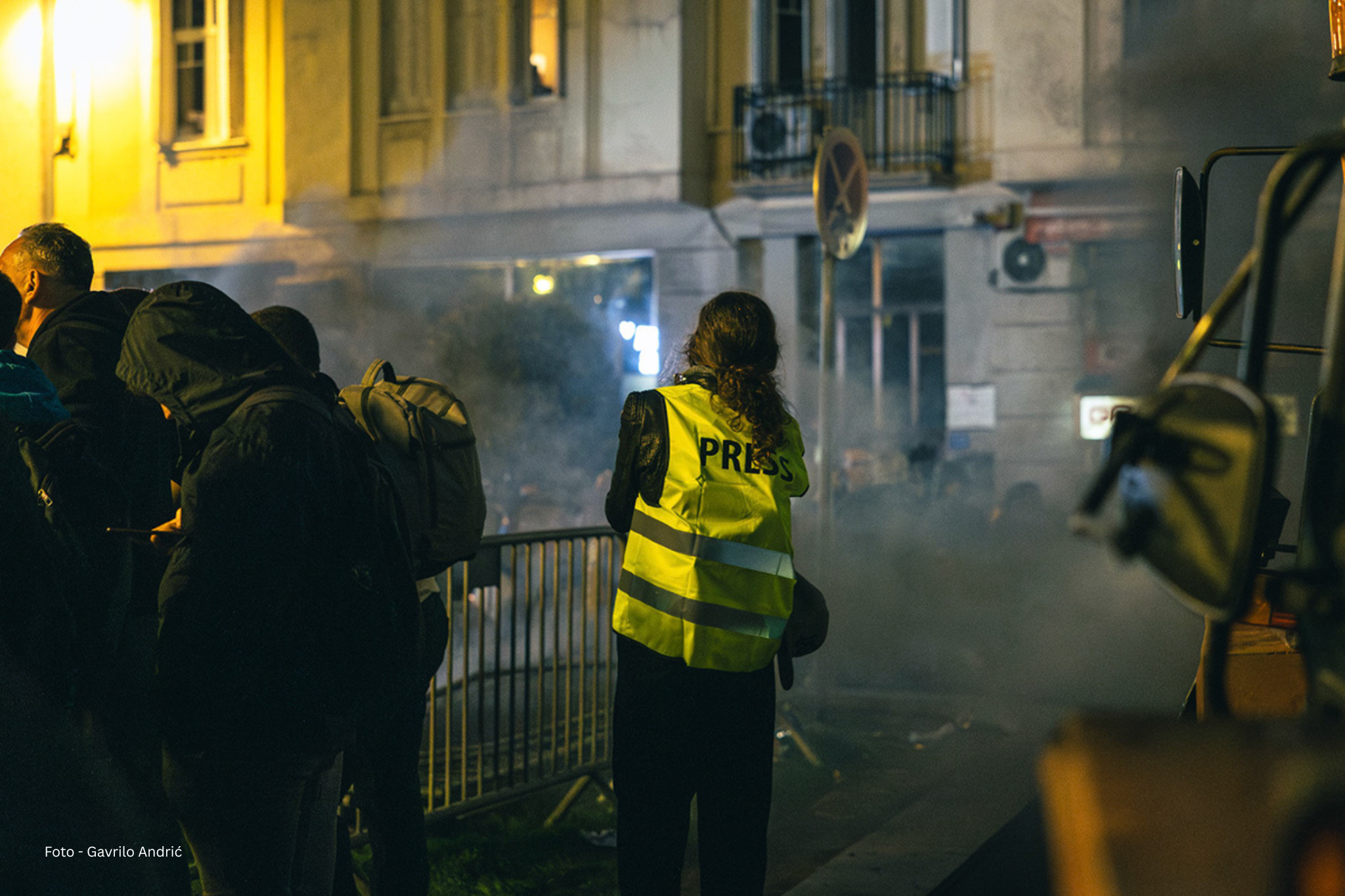
The President of the Branch Union of Culture, Arts, and Media Nezavisnost, Darko Šper, stated that it is alarming that violence against female journalists has become almost a daily occurrence, with new recorded incidents happening in the presence of police, while the journalistic teams were visibly marked.
Šper presented a research study, funded by the European Union, conducted in Serbia, Slovenia, Croatia, and Bosnia and Herzegovina, based on a survey with 600 respondents, through 38 in-depth interviews with female journalists and 12 with experts. He described the findings as shocking, as they indicate that every second female colleague has experienced sexual harassment, with 50 percent of these cases involving colleagues and 30 percent involving superiors in their newsroom.
Šper noted that half of the respondents were unsure if protective mechanisms cover sexual harassment, leading to half of the cases remaining unreported.
According to him, out of 174 female journalists who filled out the questionnaire, 23 reported having received death threats, and 18 were physically attacked.
In addition to the quarter of respondents who experienced physical or sexual harassment through unwanted touching, one attempted rape was also recorded, Šper said, adding that most cases remain unreported due to fear of job loss, retaliation, or distrust in institutions.
Representative of the Independent Journalists' Association of Serbia, Ivana Kragulj, referred to data from the research network SafeJournalists, stating that 33 attacks on female journalists were recorded in the region last year, three times more than in 2023.
According to her, the safety of journalists is particularly threatened when reporting for media that are critical of the government, but it is encouraging that their editors are willing to take risks and protect the team in the field. Kragulj pointed out that threats against female journalists are harsher, involving intimidation before the publication of texts or reports, and that female journalists are followed by members of state services.
Female journalists face discrimination from colleagues based on gender, appearance, family status, and whether they have children, which results in lower pay; single mothers and those returning from parental leave are in a particularly vulnerable position, Kragulj indicated.
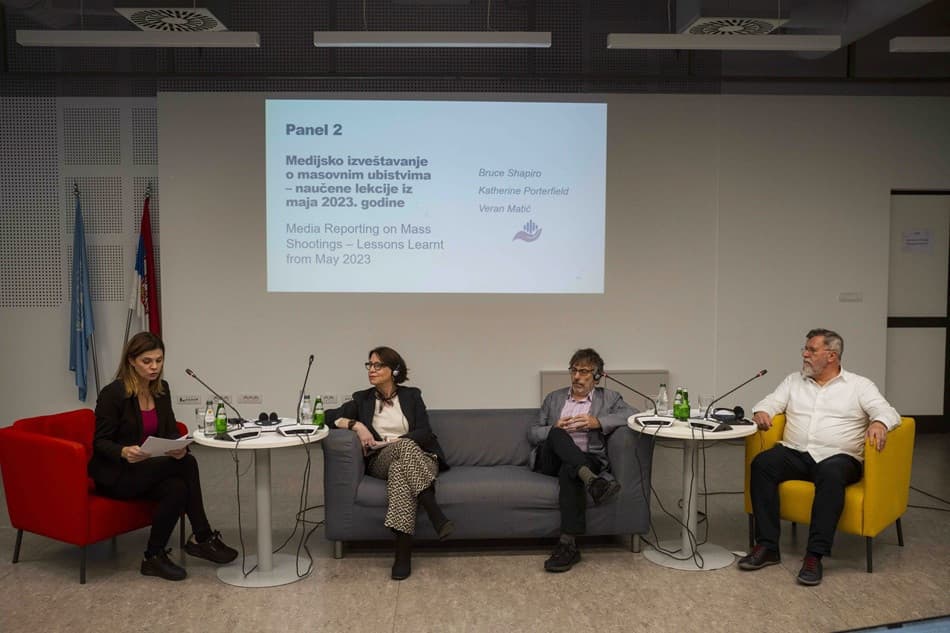
The President of the Association of Independent Electronic Media, Veran Matić, pointed out that female journalists are less likely to report any form of violence because the system creates space for retraumatization.
Matić recalled instances of violence against female journalists in Serbia in the past but emphasized that violence has now reached a peak and is now concealed within the newsroom itself. He presented the survey findings that 30 percent of female journalists were in a condition that required emergency medical assistance, and when asked why they did not seek help, they responded that they had neither money nor time.
He added that six female journalists were dismissed due to political views or their presence at protests, and that 20 cases of physical attacks on journalists and media workers were recorded, while NUNS noted 70 attacks without police response.
Veran Matić emphasized that the most important factor is the behavior of the newsroom, as its attitude can reduce the danger to journalists.
The President of UGS Nezavisnost, Čedanka Andrić, stated that it is essential to keep the issue of journalists' safety at work in the public eye to prevent violence against them from becoming normalized and to insist that female journalists be encouraged to speak out.
Source: N1
Related Articles

Journalistic associations provided support to the editorial team of Nova.rs: Ongoing communication and updates with international stakeholders agreed upon.

Coalition for Media Freedom: Stop Attacks and Harassment of Journalists During the Election Campaign

.png&w=3840&q=75)