
Millions for Media in Inđija: Audit Points to Non-Transparent Practices, Lawyers Remind – Embezzlement Does Not Expire After 20 Years
The Municipality of Inđija has allocated more than 32 million dinars for media content in its proposed budget for 2026, while lawyers and auditors warn that in previous years, most of the funds were distributed non-transparently, outside of a competitive process, and without clear reporting.
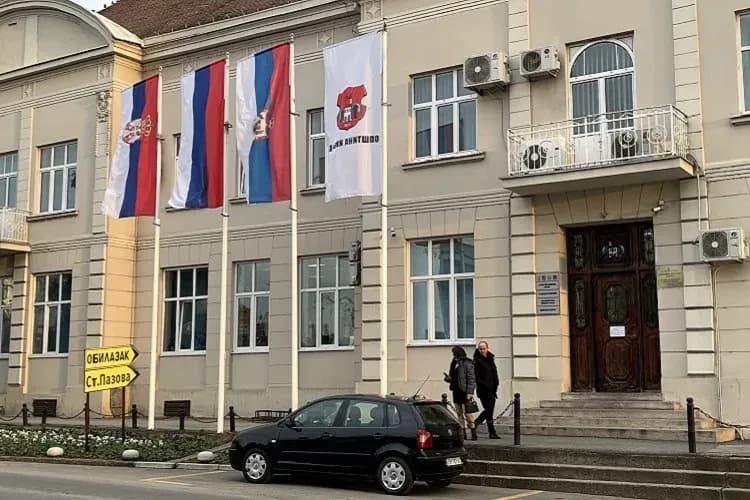
The municipality of Inđija has allocated over 32 million dinars for media content in the proposed Draft Budget for 2026. Over the past two years, the distribution of funds has followed the same pattern: 10% of the money was awarded through co-financing competitions, while the remaining 90% was distributed non-transparently through public procurement.
In the previous year, 2024, the local government allocated as much as 23.5 million dinars to media outlets outside of competitions. This trend continued in 2025, when out of 28 million dinars allocated for media, only 2.8 million (10%) was distributed through a competition, while the remainder of the citizens' money was awarded through public procurement.
At the open meeting of the public discussion on the proposed Draft Budget for 2026, the head of the Finance Department of the Municipality of Inđija stated that the distribution of funds is within legal frameworks: 10% transparently through the media competition and 90% via public procurement.
However, NUNS lawyer Rade Đurić warns that media financing in Serbia has become a serious problem as funds are increasingly awarded outside the law, and the relevant authorities do not respond to abuses.
-Media financing in Serbia has become a huge problem due to the way these funds are actually distributed. We have seen a completely distorted application of regulations, where local governments distribute funds contrary to the law. In many cases, the amount of funds for project co-financing has been reduced by 70 to 80 percent, while more and more money is being redirected through public procurement and direct contracting.- says Đurić.
Đurić particularly highlights the issue of direct contracting: -Without a clear legal basis, contracting authorities are providing funds to media outlets and their founders, without any report on expenditures.-
He also warns about the lack of response from the relevant institutions: -We live in a country where there is almost no accountability or punishment for abuses. The bodies that should respond to abuses do not do so, which only deepens the problems.-
The Director of Legal Affairs at NDNV, Veljko Milić, called on the prosecutor's office to investigate abuses in the media competition for project co-financing: -The prosecutor's office needs to start doing its job and investigate abuses in media competitions. The statute of limitations for embezzlement in these competitions is only 20 years, for projects worth more than one and a half million dinars.- explains Milić.
The head of the finance department, Danijela Matić, stated that during her visit to the State Audit Institution (DRI), she was orally informed that the distribution of funds is lawful. Nevertheless, the DRI report points to irregularities in 2024.
The audit found that the Municipal Administration for Information Services recorded a total of 23,290,000 dinars, of which 800,000 dinars was paid to “Digital Media Network” LLC, and 3,989,000 dinars to “Sremska Televizija” LLC. The payment to “Sremska Televizija” was made based on a proforma invoice, which is not in accordance with the contract.
The DRI also uncovered irregularities in the expense records, including advances, cleaning costs, and gifts, warning that the continuation of such practices could lead to a distorted view of budgetary expenditures.
The recommendation from the DRI is that the Municipal Administration plans and records expenses according to the appropriate economic classifications, in accordance with budget regulations.
With such distribution, local independent media remain on the margins, while those contracted "by agreement" are favored. The competitive model and the decisions of the Press Council and REM are not sufficiently respected, which is contrary to the Law on Public Information and Media.
Source: IN medija
Related Articles

Results of 156 competitions: Most funding awarded to Alo, Informer, and their subsidiary companies, followed by media companies owned by Radoica Milosavljević.
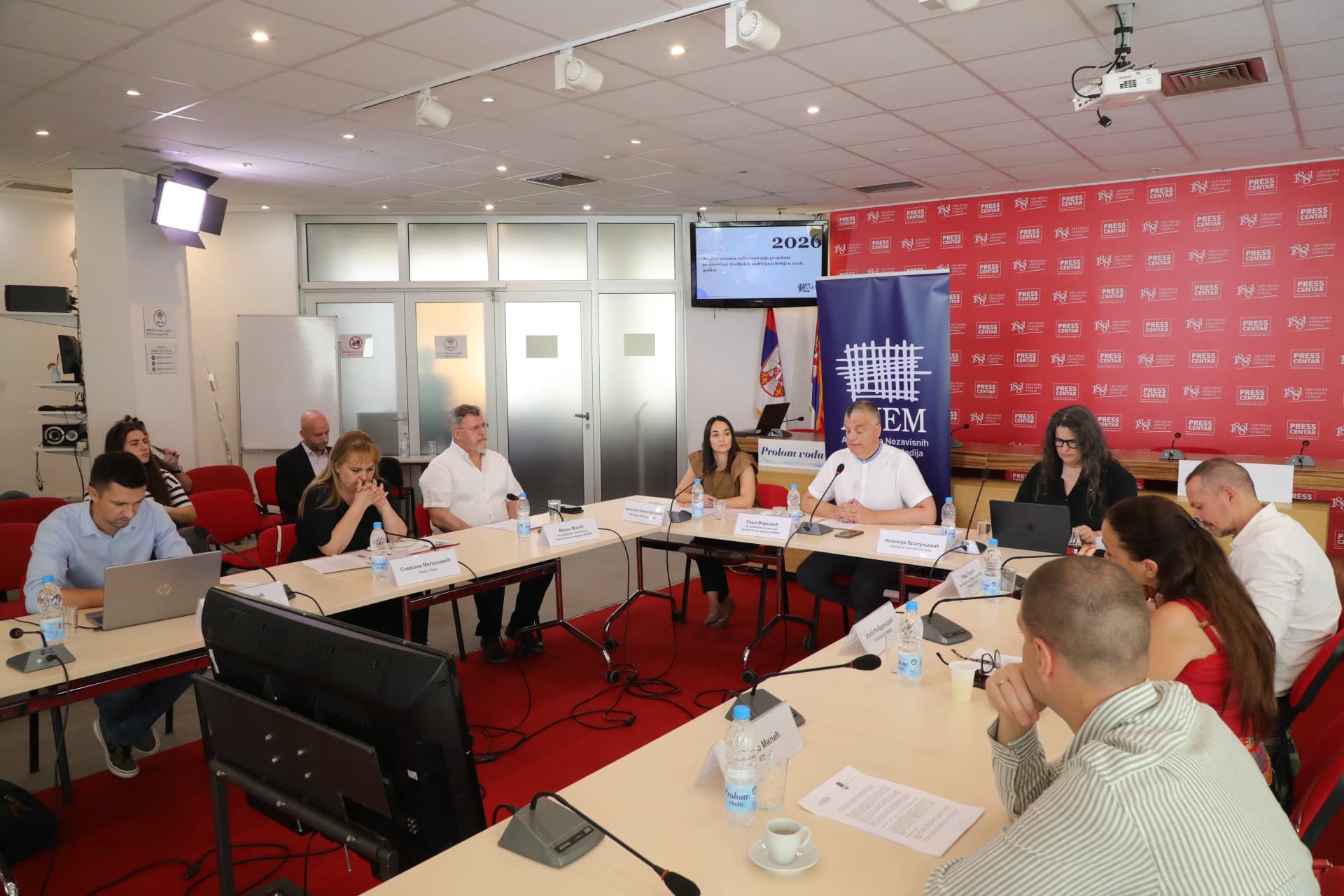
"Project co-financing of media has faced a fiasco": Media and journalism associations have sent recommendations to the Ministry for changes to the process.

.png&w=3840&q=75)