

This year, due to pressures, the mental health of journalists has been seriously compromised: "We are burying too many colleagues."
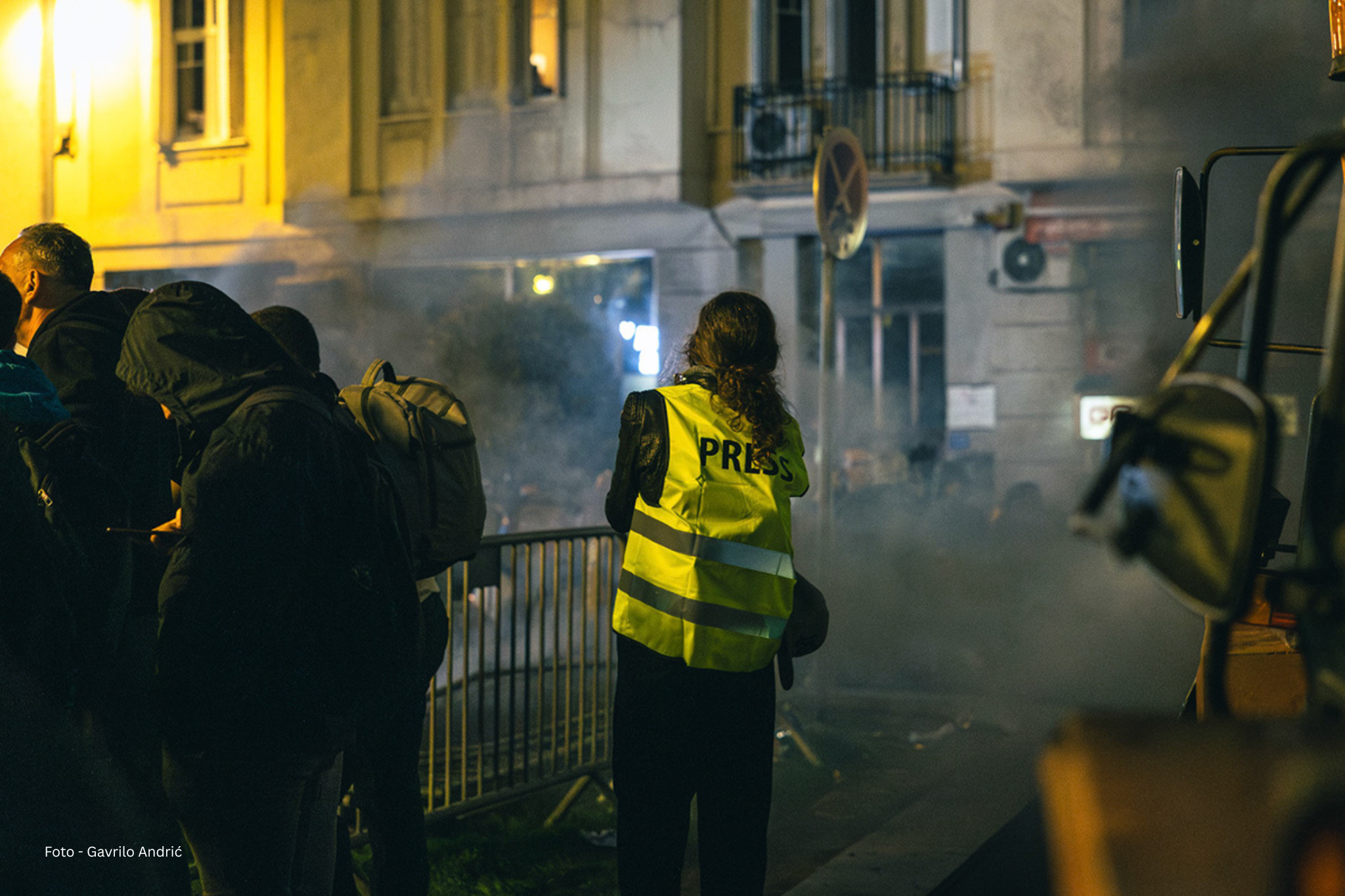
The mental health of journalists this year has been seriously compromised due to pressures, insecure working conditions, and constant exposure to stress, experts interviewed by FoNet in the series Reflektor have stated, recommending seeking help from professionals and engaging in psychotherapy as a solution.

Media consultant Branko Čečen stated that the mental health of journalists is compromised and in a severe state even without extraordinary situations, adding that the situation in the country and the wave of violence against journalists have only worsened matters, which is evidenced by the results of all research.
Čečen, who is also an independent journalist, mentioned that he and his colleagues have been conducting a survey on the mental health of journalists for the past two years, with results becoming significantly more concerning this year.
“We have data indicating that there are twice as many identified and formally diagnosed mental disorders among journalists compared to the general population, which is truly a serious result,” said Čečen.
According to him, all these disorders are a result of stress, which has consequences for physical health.
“We all know that we are burying too many colleagues and that too many of our colleagues are leaving the profession due to severe illnesses. This is something that no one is addressing, and it seems that no one cares about losing good journalists along with their knowledge and experience,” added Čečen.
He pointed out that stress accumulates even without an extraordinary situation in the country, noting that a journalist can become a victim of secondary or "vicarious" trauma without leaving their newsroom.
“This is trauma that we experience by empathizing with someone else's misfortune or by viewing footage and photographs. When stressful journalistic tasks are added to that, especially during such a severe political crisis as we have in our country, it collectively makes it impossible for our bodies to cope with the normal amount of stress they would otherwise handle,” said Čečen.
According to him, this stress penetrates the mind completely unobstructed and slowly creates serious consequences, resulting in burnout, depression, or simply constant anxiety, which can easily transform into cardiovascular issues or other types of illnesses.
Čečen highlighted that the majority of stress sources come from the newsroom – from bullying to the very topics that can be highly stressful.
“People also mention insecurity and insufficient pay, which prevents them from planning ahead. Those dealing with sensitive topics cite the impact their work has on their families and the consequences for people in their immediate environment as possibly the most problematic source of stress,” said Čečen.
He added that there are very few mechanisms for protecting journalists from stress and mitigating its consequences, nearly none at all.
Čečen stated that all a journalist can do is reduce the likelihood of such occurrences, be aware of the risks they face, and carefully monitor symptoms such as insomnia, nervousness, or the inability to motivate themselves to start working.
He added that in such situations, it is essential to find someone with whom they can talk honestly, as well as to seek professional help, emphasizing that all research has shown that the assistance of a therapist is incredibly effective and reduces stress levels.
"This Year Contributed to the Deterioration of Journalists' Mental Health"
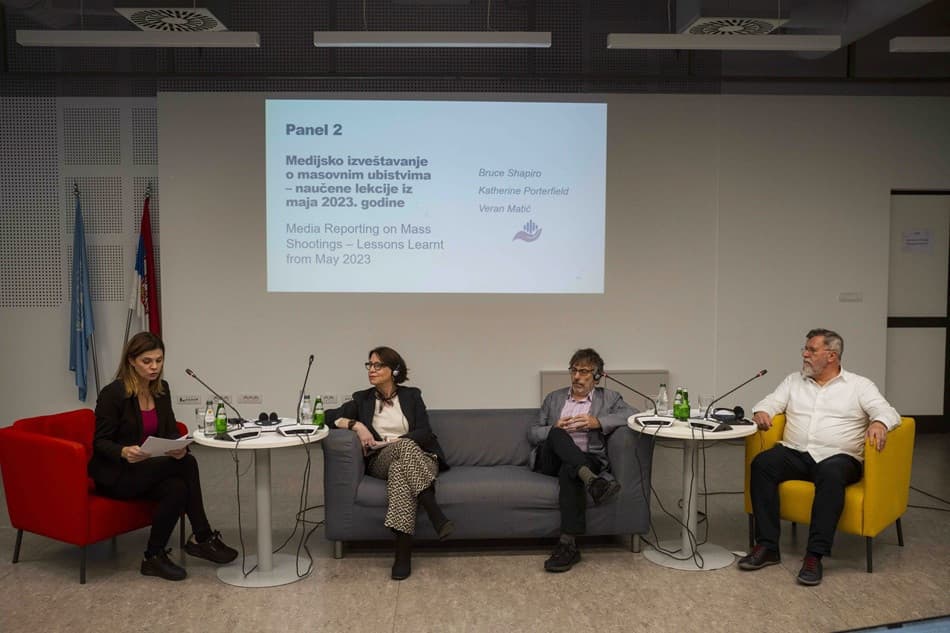
President of the Board of the Association of Independent Electronic Media, Veran Matić, reiterated that this year has contributed to the deterioration of journalists' mental health, stressing the need to broaden support in seeking professional help, psychotherapy, and discussions with experts.
“There is now a mechanism in place at NUNS, and we are managing to obtain it for free, but there is a greater need and various ways to provide that type of support than we currently have. This again indicates that the healthcare system has collapsed,” said Matić, who is also the author of the survey on journalists' mental health.
He assessed that journalists often do not have time to think about professional support due to working conditions and overtime, stating that this is a fault that falls on the owners, media managers, and editors who do not pay enough attention to their employees.
Matić emphasized that media owners must ensure that journalists are adequately compensated for their work and have health and all types of protection, which, unfortunately, does not happen in a large number of media outlets.
Journalist of the weekly Vreme, Jovana Gligorijević, who also participated in conducting the survey on journalists' mental health, pointed out that it is concerning that there are now fewer mild complaints and more severe issues.
She noted that there has been an increase in chronic illnesses caused by stress, adding that at the same time, the number of journalist colleagues seeking professional psychological help is rising, even though most journalists lack the resources for psychotherapy sessions due to insufficient salaries.
“So we cannot say that journalists are stubborn and will not seek psychological help; rather, journalists are most often underpaid, and psychotherapy is a luxury, even though it is often necessary,” she stated in an interview with FoNet.
Source: Fonet
Related Articles

Journalistic associations provided support to the editorial team of Nova.rs: Ongoing communication and updates with international stakeholders agreed upon.

Coalition for Media Freedom: Stop Attacks and Harassment of Journalists During the Election Campaign


.png&w=3840&q=75)