

Representative of the Committee to Protect Journalists (CPJ): Increasingly Dangerous Situation for Journalists in Serbia (VIDEO)
Since the protests in Serbia began, violence against journalists has increased. The Independent Journalists' Association of Serbia (NUNS) has registered 318 attacks this year, nearly double the number compared to the previous two years. International organizations, including the Committee to Protect Journalists (CPJ) from the United States, are warning about the increasingly dangerous situation for media workers in Serbia. The CPJ is one of the few remaining voices from the U.S. that continues to respond to threats to media freedom worldwide. Atila Mong, the organization's representative for Europe, warns in an interview with Svet i Mi that journalists in Serbia are becoming less safe due to societal tensions and the lack of political will to prosecute and punish those responsible for attacks against them.
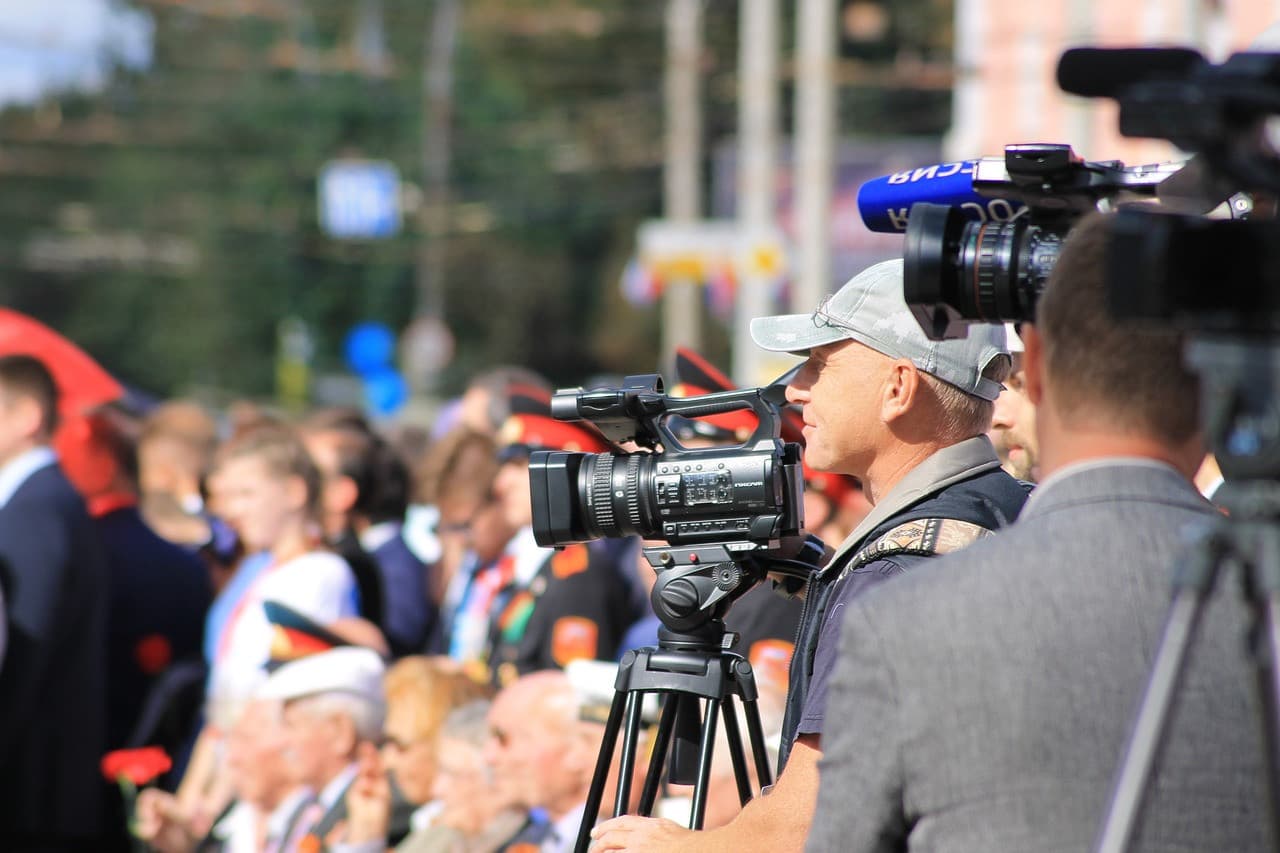
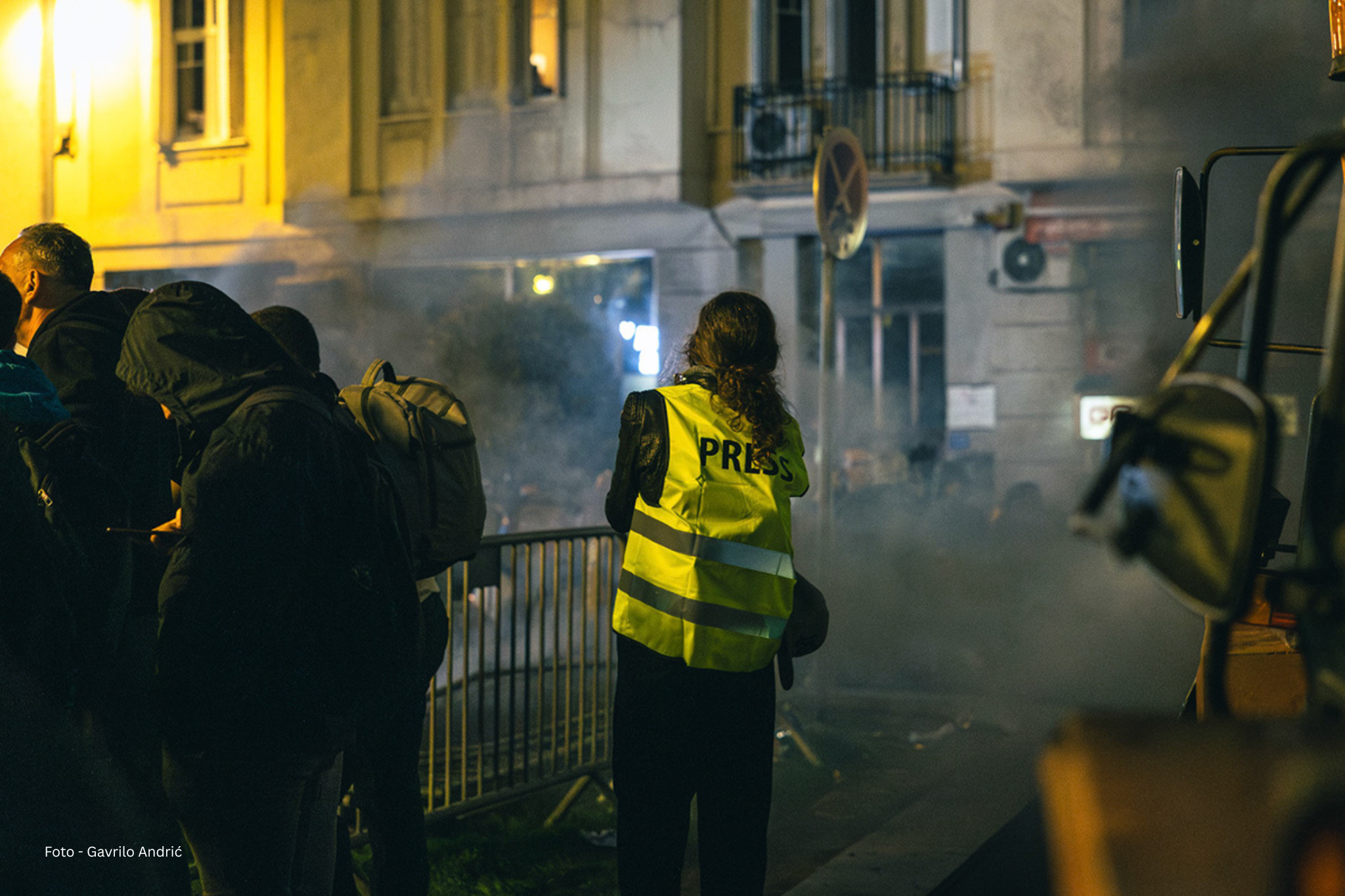
In the center of Belgrade, near the tent settlement where supporters of the government are located, attacks on journalists are becoming increasingly frequent. A journalist from Insajder was surrounded by a group of men who threatened her with violence and forced her to delete the material she had recorded, a journalist from FoNet was beaten, and a camera belonging to the N1 television crew was broken. In all these cases, journalists claim that the police did not respond promptly or adequately to protect them.
“The situation is becoming increasingly dangerous for journalists in Serbia, and this is not just my observation but that of other journalistic organizations as well. As the protests over the tragedy in Novi Sad intensified, journalists have become increasingly unsafe. They are simply targeted, and the police do not take action to defend them from attacks or ensure their safety, treating them as demonstrators and behaving accordingly, even when they clearly identify themselves,” says Atila Mong.
What should be unquestionable is the right for journalists to be present and report, and the police have an obligation to ensure that they can work without hindrance. In some situations where protests are violent, it is difficult for the police to immediately discern who the journalists are and respond appropriately, which is why police training is necessary. On the other hand, when violence occurs against journalists, whether by the police or someone else, there must be a thorough investigation by the relevant authorities. This is the responsibility of the government, which the Committee to Protect Journalists constantly reminds them of, but according to Mong, they do not see the Serbian authorities taking action.
“We observe that the cycle of violence actually began with verbal attacks and a smear campaign against independent and investigative journalists. Such comments come from high-ranking politicians, including the president. Part of this cycle is the obstruction of journalist work, where authorities do not allow them to attend events and press conferences. Naturally, those who report from protests are the first in line to become victims of violence. And when the authorities verbally attack journalists, it becomes easier for those participating in the protests to physically assault them. It is important to highlight the principle of impunity. Cases of attacks on journalists are rarely pursued to the end, and the perpetrators of violence generally do not face consequences. There is no political will to prosecute the offenders,” emphasizes Mong.
He adds that the European Union holds power over the authorities in Serbia, and the Committee to Protect Journalists and other organizations are working to inform international actors, members of the European Parliament, and other institutions about what journalists in Serbia are going through. The EU can call for the establishment of certain institutions, such as a Working Group on Journalist Security, which deals with these issues, or incidents can be noted in reports by the European Commission. However, that external pressure can only go so far.
“Serbia is unique in that there is an unresolved political crisis causing these issues for journalists. But we have also seen similar experiences of journalists with the police in other countries - even in Greece, the Netherlands - especially if the protests are that violent and there are significant societal divisions. There is no universal recipe for how to resolve this. However, I believe that the European Union has the power to pressure the authorities in Serbia to start addressing this problem. And we at the Committee to Protect Journalists are here to influence the European Union to take action on this matter,” said Atila Mong, Europe representative for the Committee to Protect Journalists.
Source: Insajder
Source: YouTube / Insider TV
Related Articles

Journalistic associations provided support to the editorial team of Nova.rs: Ongoing communication and updates with international stakeholders agreed upon.

Coalition for Media Freedom: Stop Attacks and Harassment of Journalists During the Election Campaign

.png&w=3840&q=75)