
The Council of Europe records threats to journalists: The highest number of warnings from the Western Balkans this year came from Serbia (33).
The Council of Europe Platform for the Promotion of Journalism and the Safety of Journalists, designed as an alert system for serious threats to journalists, has recorded a series of incidents in the Western Balkans this year, with a particularly high number of reports from Serbia (33).
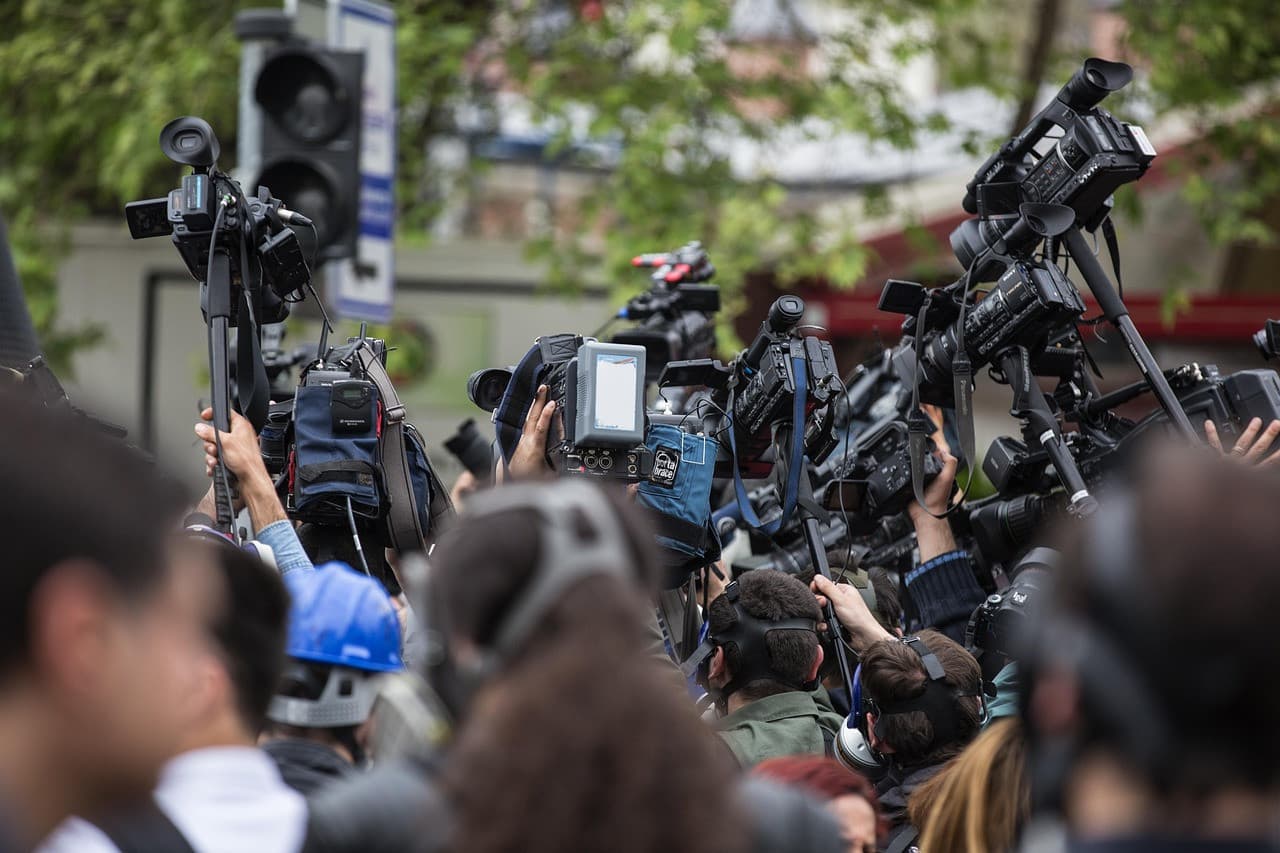
This platform records serious threats to the safety of journalists and media freedoms across Europe in order to strengthen the response of the Council of Europe and increase the accountability of member states.
According to data from the Platform concerning the Western Balkans, this year there have been 59 cases of threats to journalist safety in the countries of the Western Balkans, which have been addressed by the SafeJournalists Network and its members.
There were five recorded cases from Albania, three from North Macedonia, five from Montenegro, seven from Croatia, six from Bosnia and Herzegovina, and 33 from Serbia.
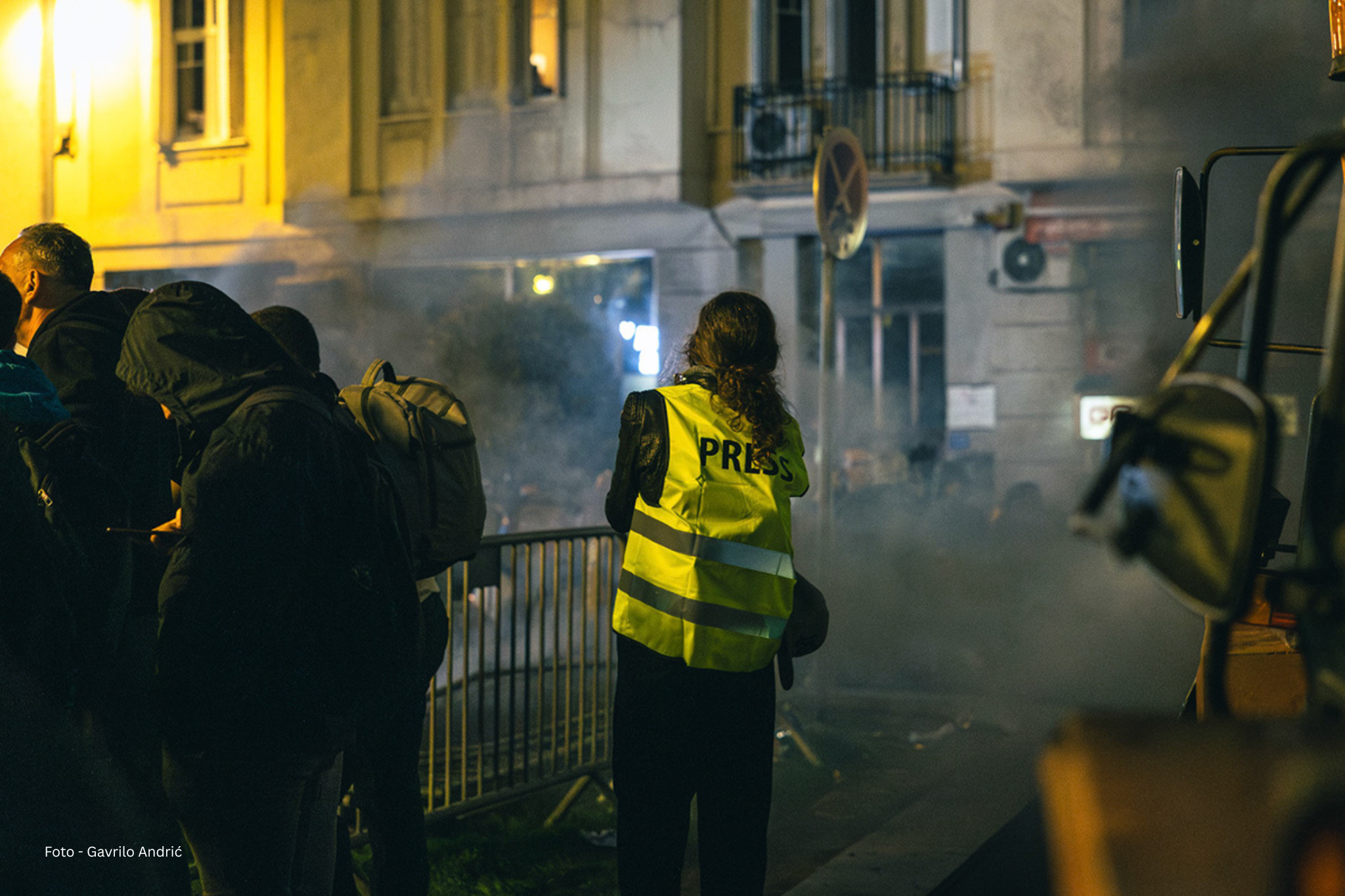
The Independent Association of Journalists of Serbia, which monitors the situation in Serbia, warns that the data indicates an alarming situation: this year, the NUNS database, which records attacks, pressures, and threats against journalists, has documented as many as 344 cases, the highest since NUNS began keeping this record. NUNS noted that a significant portion of the incidents is related to reporting on anti-government civil and student protests that have lasted for over a year, triggered by the collapse of a canopy at the railway station in Novi Sad, which resulted in the deaths of 16 people, prompting citizens to demand accountability.
The SafeJournalists Network is grateful to the partners of the platform and the Council of Europe for monitoring cases of threats and violence against journalists in the Western Balkans, noting that the international visibility of these cases increases pressure on institutions to respond. In addition to the international visibility of these cases, the Council of Europe's Platform, when serious violations of media freedom are recorded through so-called alerts, officially calls on the relevant institutions of member states to provide responses and information about the steps they have taken in specific cases.
Why is it important for the Council of Europe to record these cases?
The Platform for the Safety of Journalists is a public space that helps collect, process, and share information about serious concerns regarding media freedom and the safety of journalists in the member states of the Council of Europe. Its aim is to enhance the protection of journalists, respond more effectively to threats and violence against media professionals, and encourage early warning mechanisms and response capacities within the Council of Europe. The platform enables the Council of Europe to be notified in a timely and systematic manner about cases, so that it can take timely and coordinated measures if necessary. It assists the Organization in identifying trends and proposing appropriate public policy measures in the area of media freedom.
This data also serves as input for broader international assessments of the state of media freedom and freedom of expression. Specifically:
- The Council of Europe (and partner organizations of the Platform) publishes annual assessments/reports on the state of media freedom and safety of journalists in Europe, based on the findings of the Platform and the work of partner organizations.
- The European Commission in its methodology for the Annual Rule of Law Report cites the Council of Europe Platform as one of the relevant sources in the section concerning media pluralism and media freedom.
- The European Parliament also uses the Platform as a reference to describe and document serious threats to the safety of journalists.
In practice, this means that the documentation of cases on the Platform does not remain merely at the level of "statistics," but becomes part of a broader system of international monitoring and assessment, which can influence recommendations, public opinions, and political pressure on states to enhance the protection of journalists and the prosecution of attacks.
Source: NUNS
Related Articles

Journalistic associations provided support to the editorial team of Nova.rs: Ongoing communication and updates with international stakeholders agreed upon.

Coalition for Media Freedom: Stop Attacks and Harassment of Journalists During the Election Campaign

.png&w=3840&q=75)