
Permanent Working Group for the Safety of Journalists: The number of physical attacks on media workers increased by 440 percent in 2025.
From the beginning of 2025, until November 30, a total of 117 cases have been formed in public prosecutors' offices related to threats and attacks on media workers, representing an increase of 112 percent compared to the same period last year, emphasized Branko Stamenković, prosecutor of the Supreme Public Prosecutor's Office and member of the Permanent Working Group for the Safety of Journalists (SRG).
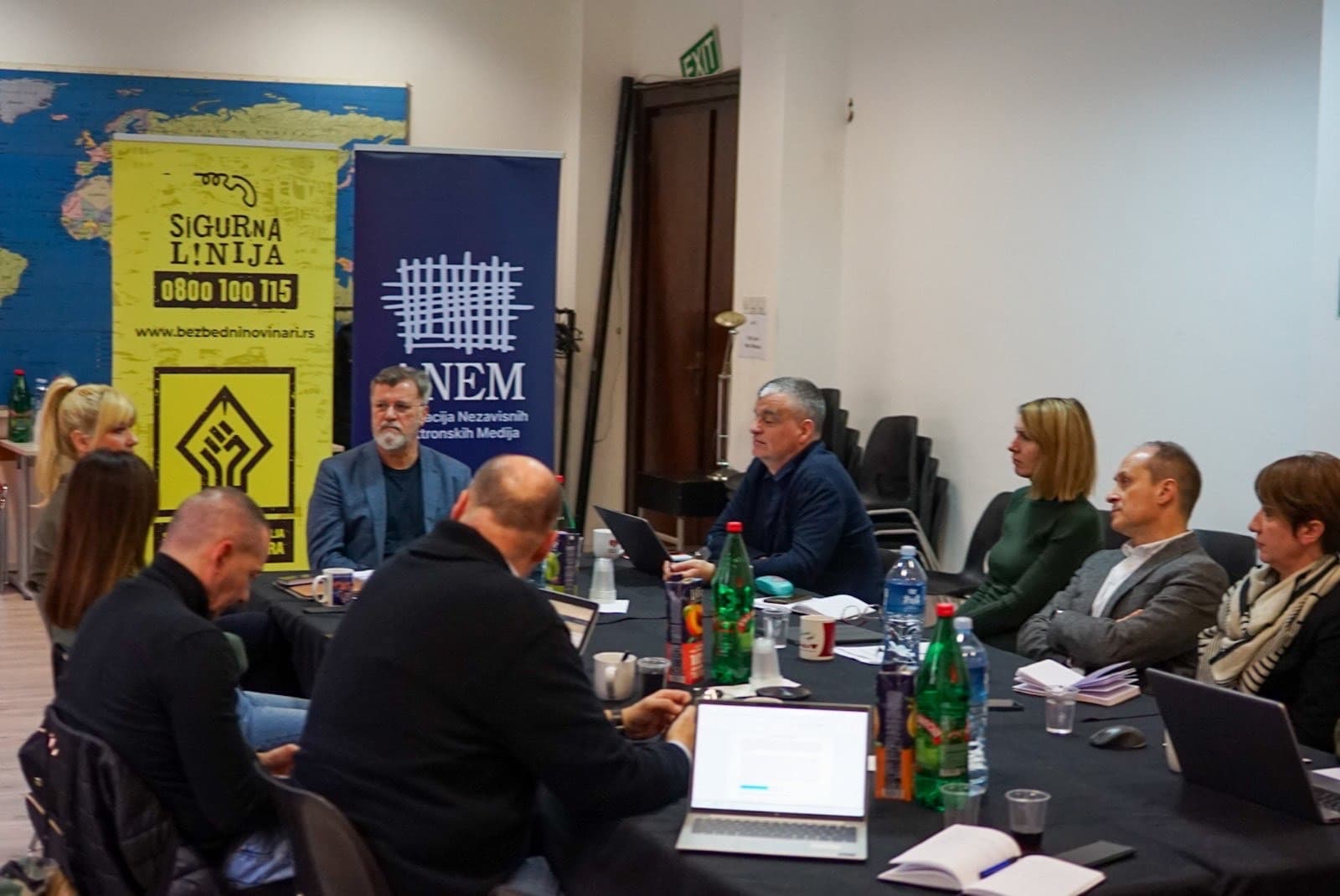
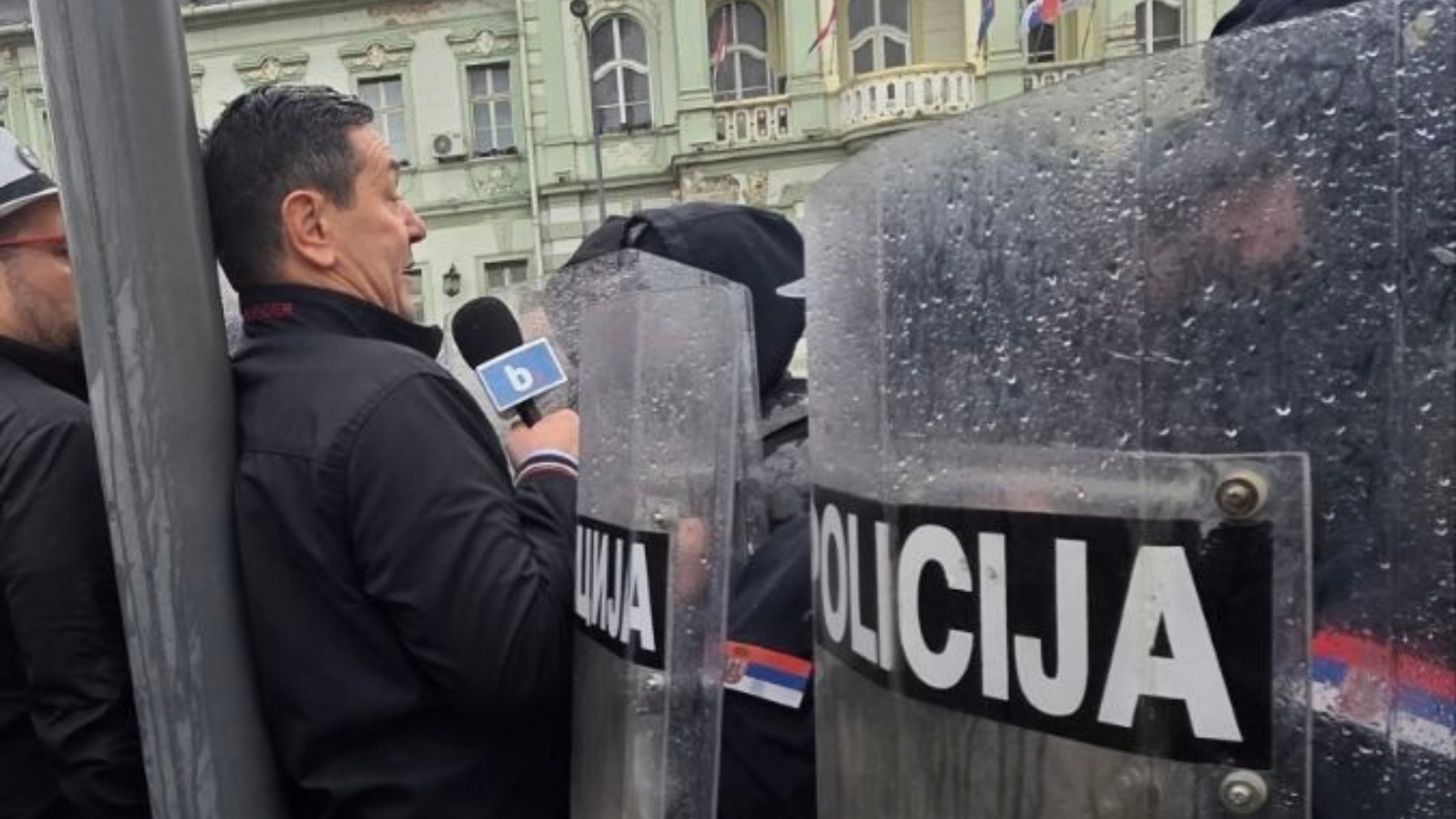
At the final annual meeting of the SRG, attended by representatives of journalistic and media associations that have frozen their membership, Stamenković emphasized that it is particularly concerning that there have been 27 reports of physical attacks on journalists this year, compared to only five last year, marking an increase of 440 percent.
According to official statistics from the prosecution, two convictions have been handed down so far in 2025. In as many as 50 cases, the police did not respond to the prosecution's request for the collection of necessary information, which effectively hinders the ability to conduct effective investigations.
“Since 2016, the number of attacks on journalists has reached a historical maximum. Regarding physical attacks, the identity of the perpetrators has been established in only nine cases, while in 18 cases, it remains unknown, which is a police responsibility,” Stamenković stated.
The President of the ANEM Board of Directors, Veran Matić, and representatives of the Independent Journalists' Association of Serbia emphasized that this year, the Internal Control Service of the police received dozens of complaints regarding the conduct or lack of action by the police towards journalists. The Internal Control Service generally ignores these complaints and provides no feedback indicating that any action has been taken within the police regarding the disputed cases.
“I am concerned for the safety and even lives of journalists in Serbia. It is certain that next year will be even more difficult, which is why we need functional and operational cooperation through the SRG more than ever,” Matić added.
In addition to prosecutors, representatives of journalistic and media associations participating in the work of the SRG attended the annual meeting, most of which have been in a frozen status since February of this year. Despite this, the SRG has managed to find a way to keep established mechanisms for reporting attacks on journalists, such as the Contact Points System, operational throughout the year, as well as to fully implement the Action Plan for 2025.
At the meeting, representatives of the OSCE Mission in Serbia presented a proposal for a new Action Plan for the SRG for 2026, which will focus on visits to local communities and improving cooperation between local journalists, prosecutors, and police in addressing cases that threaten journalists' safety. All SRG members present supported the new Action Plan, the implementation of which will not affect the frozen status of certain SRG members.
According to available data from international organizations, there are currently about 58 national mechanisms for journalist safety worldwide, and the SRG has been assessed as a model of quality work despite the challenges that have existed since its inception and continue today.
The SRG was established in January 2017 based on the Agreement on Cooperation and Measures to Enhance the Safety of Journalists and includes representatives of the Supreme Public Prosecutor's Office (VJT), the Ministry of Internal Affairs of the Republic of Serbia (MUP), the Journalists' Association of Serbia (UNS), the Independent Journalists' Association of Serbia (NUNS), the Independent Journalists' Association of Vojvodina (NDNV), the Media Association (AM), the Association of Independent Electronic Media (ANEM), and the Online Media Association (AOM). Since its establishment, the OSCE Mission in Serbia has participated in the work of the SRG.
Related Articles
Trauma-Informed Journalism: How to Report Responsibly on Crisis Situations and Traumatic Events
"Project co-financing of media has faced a fiasco": Media and journalism associations have sent recommendations to the Ministry for changes to the process.


.png&w=3840&q=75)