

Student and youth media in Serbia: For many, the first field is not a conference, but a protest.
As part of the project "Improving the system and mechanisms of prevention and response in cases of threats to the safety and life of female and male journalists in Serbia", the Association of Independent Electronic Media with partners the Center for the Development of Local Media (CRLM) from Požarevac and Insider TV strives to improve the system of protection of journalists and media workers. One of the activities of the project is the preparation of a report by the CRLM on the state of local and smaller media, both in terms of security and financial and every other relevant aspect for the independence and professionalism of the media.

Student and youth media in Serbia today work in an area that is unorganized and risky. They are not just a "journalism school" or a secondary part of the media scene. At the moment when a large part of public life moved to the streets, social networks, colleges, local elections and informal communication channels, it was young journalists, student editorial offices and youth portals who were often among the first to record events, transmit information and try to explain what is happening to their generation.
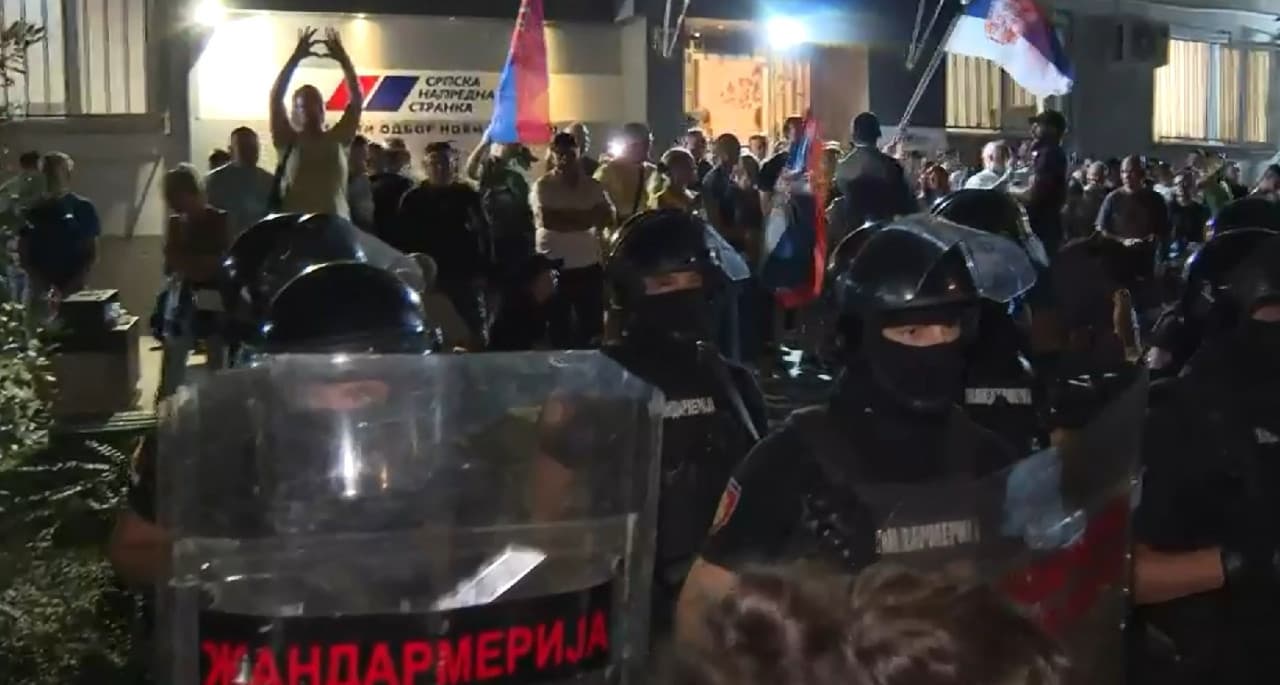
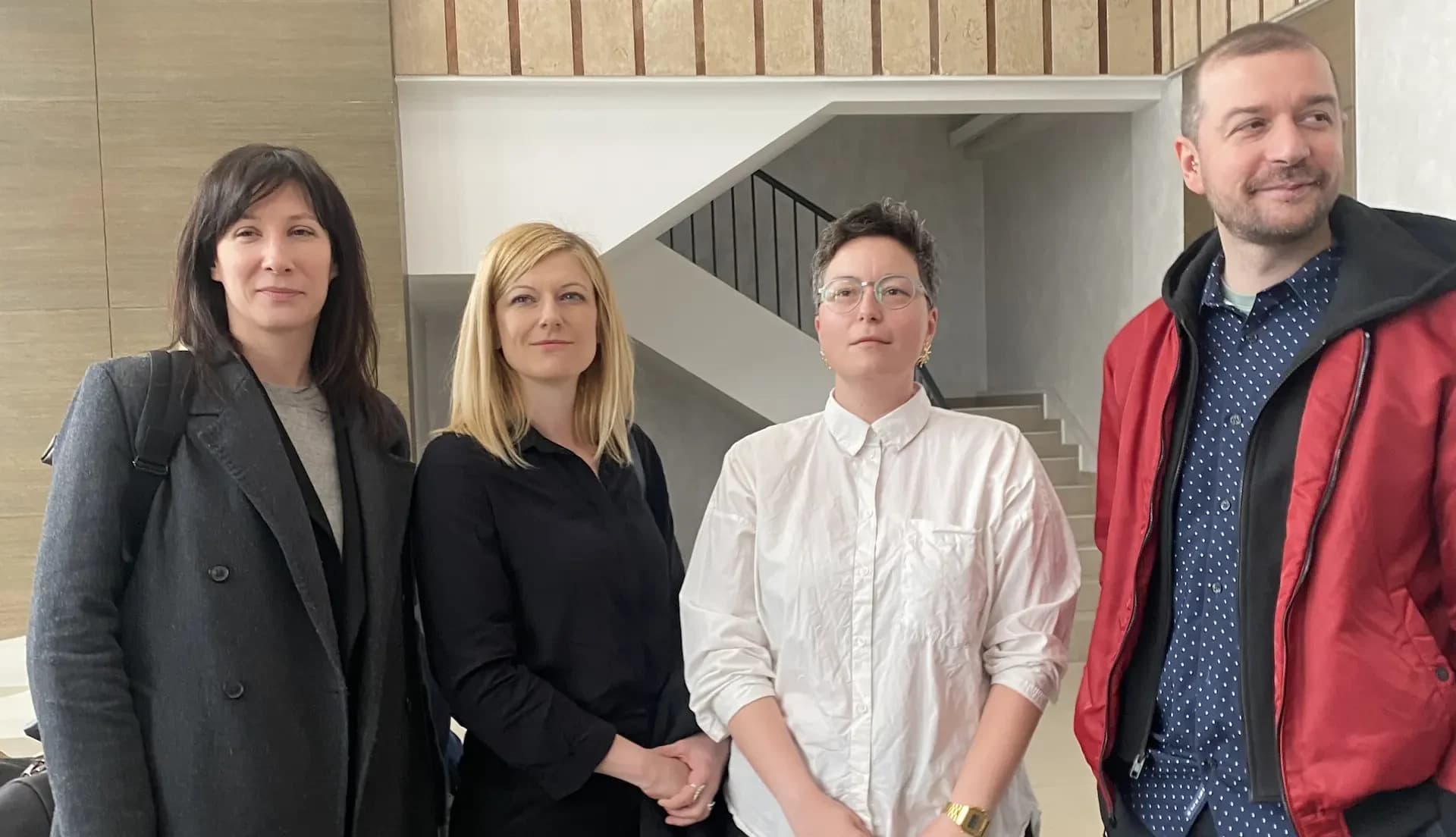
The authors of the report, Jana Jacić and Marko Tadić, state that it shows that young people's entry into journalism is less and less starting in a safe professional environment. For many of them, the first pitch is not a press conference, but a protest. The first professional challenge is not only how to write the news, but how to save the phone, how to stay in touch with the editor, how to recognize the risk, who to contact if someone attacks them and whether the institutions will even treat them as journalists.
It is especially emphasized that the risk for young journalists does not end on the field. It continues in comments, messages, targeting, attempts to compromise accounts, but also in the silence of institutions. When the report remains without an epilogue, when the threat is not recognized as a threat, when the attack is relativized or when the responsibility is shifted to the one who filmed, a clear message is sent: young journalists can be visible, but not necessarily protected.
The key finding of this report is that student and youth media should be seen as a relevant part of the media ecosystem, not as its margin. Their protection, training and financial sustainability are not helping "young people to try journalism", but investing in the public, which in the coming years will also depend on someone being ready to go to the field, ask a question, check the information and publish what others are trying to hide.
According to the findings of the report, these media show that there is knowledge, courage, solidarity and a sense of public responsibility among young people. They also show that there is an audience, especially when traditional media fail to speak the language of new generations or to recognize topics that are important to them. However, enthusiasm cannot be a substitute for system. Solidarity cannot be the only security mechanism. And volunteering cannot support work that is in the public interest in the long run.
The authors of the report therefore do not reduce the issue of student and youth media to the question of their sustainability as projects, but believe that this issue should be addressed as a question of the future of journalism.
You can read the entire report on the state of student and youth media in Serbia here.
The project "Upgrading of the prevention and response system and mechanisms in cases of threats to the safety and life of female and male journalists in Serbia" is supported by the European Union.





.png&w=3840&q=75)