
AI Report: In Serbia, Intimidation of Protesters and Journalists
The organization for the protection of human rights, Amnesty International (AI), evaluated in a report published today on the state of human rights in the world that in Serbia, protesters, journalists, and civil society organizations have faced intimidation, harassment, and unlawful surveillance by authorities attempting to curb widespread discontent.
The report from the non-governmental organization highlights that the authorities in Serbia have "increased the transfer of weapons to Israel."
In the section on Irresponsible Arms Transfers, Amnesty International states that in the first half of the year, Serbia exported ammunition to Israel worth over 55 million euros, thereby violating its obligations under the Arms Trade Treaty and international humanitarian law.
Serbia did not respond to requests for information regarding the details of the transfers between the two countries, it is added.
The year 2025 in Serbia was marked by demonstrations across the country, sparked by the collapse of the roof of the train station in Novi Sad and the death of 16 people. Protesters claimed that negligence was fueled by corruption and demanded political accountability from President Aleksandar Vučić, as well as early elections and broad reforms, Amnesty International recalls.
"The protests elicited a harsh response from the police and the ruling Serbian Progressive Party (SNS)," Amnesty International writes, adding that protesters were subjected to excessive use of force in several instances throughout the country, and there were reports of intimidation, beatings, and abuses by both plainclothes and uniformed police officers, as well as student demonstrators being violently attacked by SNS supporters, whose actions were later endorsed and pardoned by the president.
It is stated that "the police arbitrarily detained hundreds of demonstrators, that dozens among them were slapped and beaten, and that some detainees were threatened with rape, violence, and death."
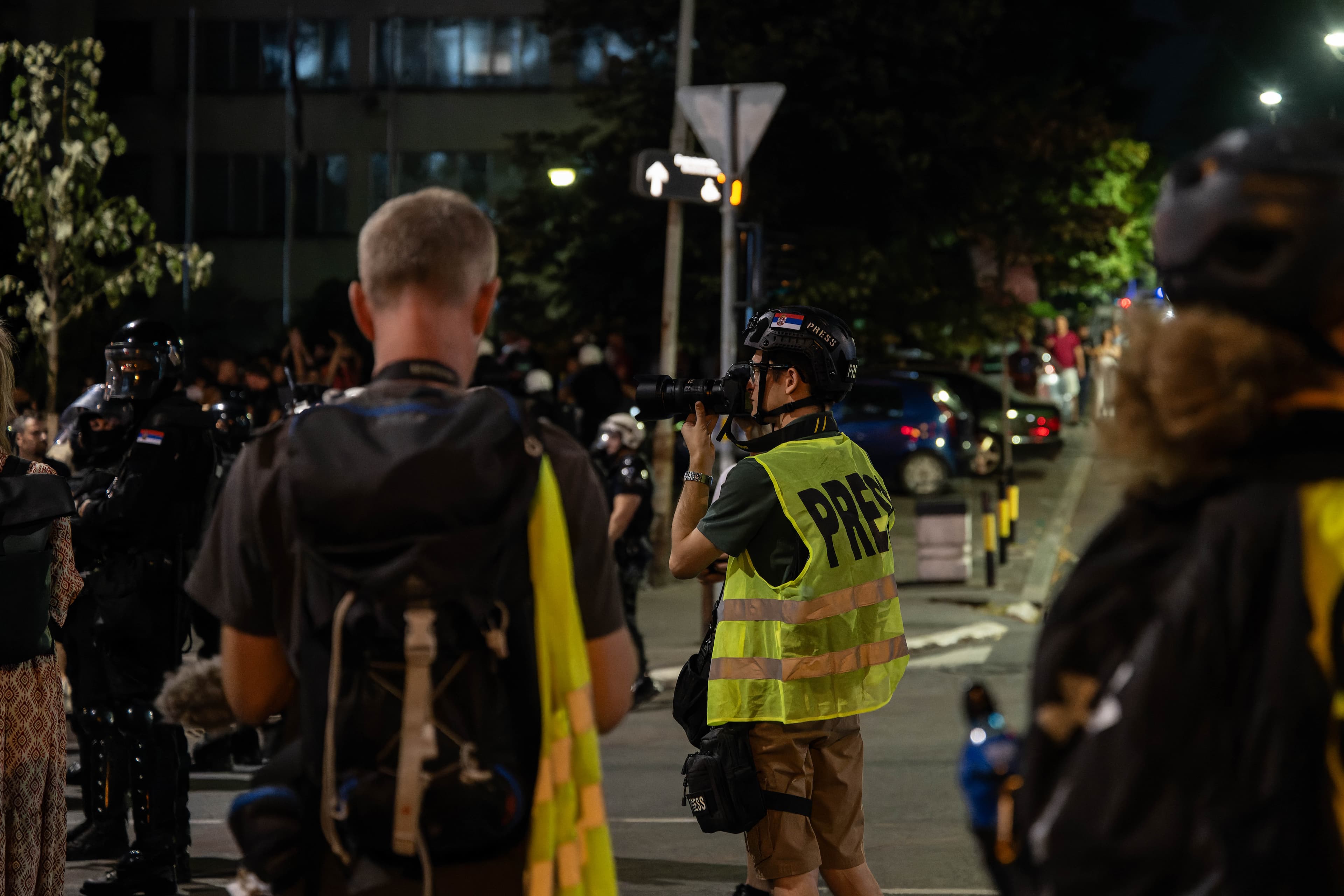
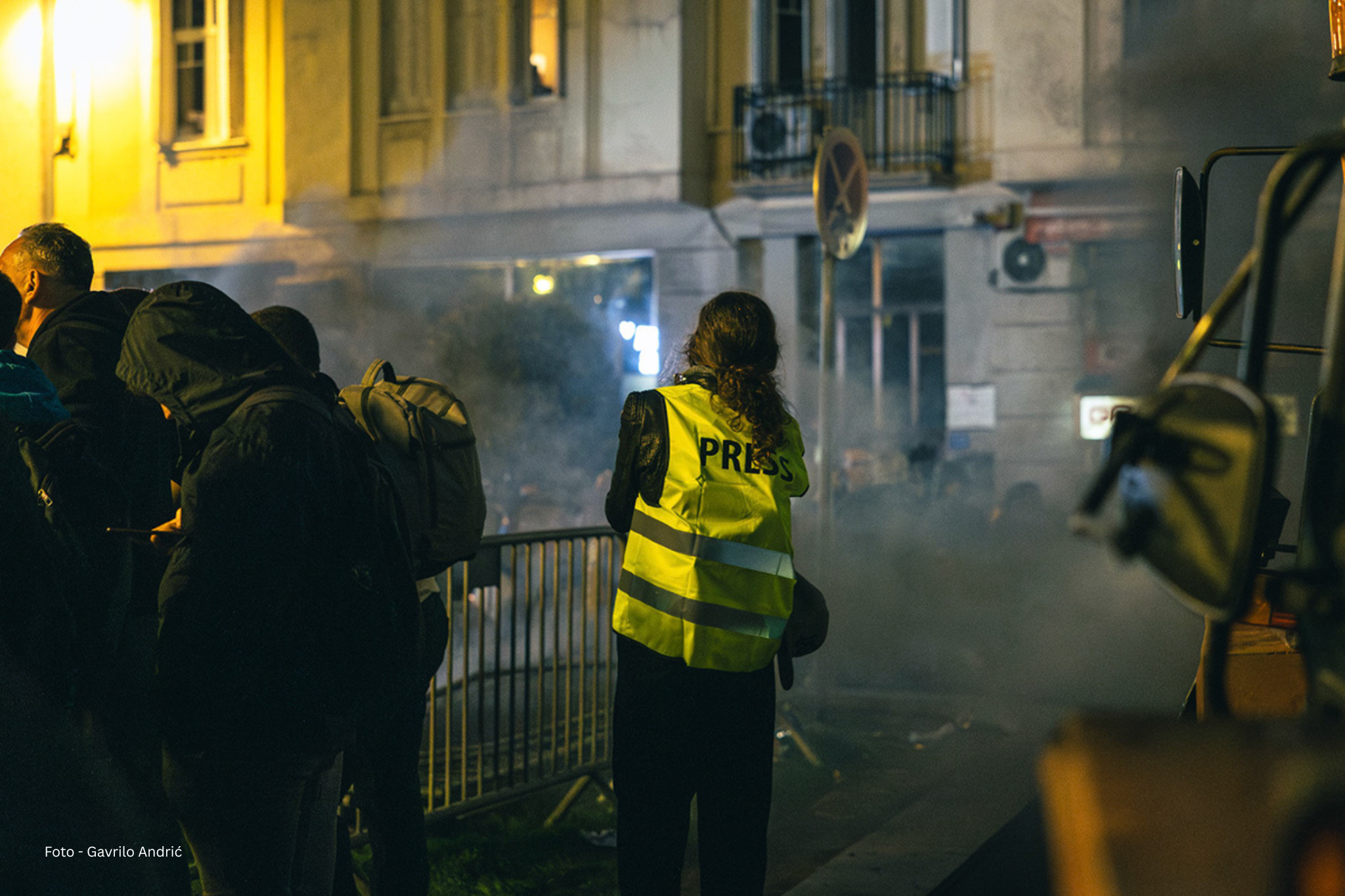
Journalists were targeted while reporting on the protests and other issues of public interest, and by mid-year, there were over 160 reported cases of intimidation and attacks, emphasizes Amnesty International, adding that the authorities continued the unlawful use of spyware and other invasive digital forensic tools against activists and journalists.
"Discrimination remained a significant problem affecting women and girls, Roma, LGBTI individuals, and persons with disabilities," writes Amnesty International in the section on Serbia, adding that "prosecution of war crimes and regional judicial cooperation were sidelined."
The Amnesty International report for 2025 also notes that "limited progress has been made in ensuring the right to a healthy environment" in Serbia.
Source: Beta
Related Articles

Journalistic associations provided support to the editorial team of Nova.rs: Ongoing communication and updates with international stakeholders agreed upon.

Coalition for Media Freedom: Stop Attacks and Harassment of Journalists During the Election Campaign


.png&w=3840&q=75)