

International Organizations: 27 Years Since the Murder of Ćuruvija, Journalist Safety in Serbia is Such That Someone Else Could Be Killed.
On the anniversary of Ćuruvija's murder, we once again call on the state of Serbia to fulfill its responsibility to end the impunity for Ćuruvija's killing. At the same time, the authorities must take coordinated measures to stop the cycle of violence against journalists in the country... If the authorities do not act, they will bear significant responsibility for any future attacks or murders of journalists, states the declaration of 10 international organizations on the occasion of the anniversary of Slavko Ćuruvija's murder, a crime for which no one has been punished.
We are transmitting the statement of 10 international organizations in its entirety:
The undersigned organizations, which were part of the recent international mission for media freedom in Serbia organized by the Platform of the Council of Europe for the Safety of Journalists and Media Freedom Rapid Response (MFRR), have been closely monitoring the media freedom crisis in Serbia over the past years.
Following our visit to Belgrade, we warn that the current situation regarding the safety of journalists is so dire that we fear that another journalist could be seriously harmed or even killed unless urgent measures are taken to stop the spiral of violence.
We reiterate the concern of the United Nations High Commissioner for Human Rights Volker Turk, who on April 9 warned of the “continued targeting of journalists and increasing pressure on independent media,” pointing to “a broader deterioration of the media environment.”
As we prepare to mark another grim anniversary on April 11, our thoughts are with the Ćuruvija family and their colleagues at the Slavko Ćuruvija Foundation, who continue their nearly three-decade-long struggle for justice and accountability for the murder of a journalist.
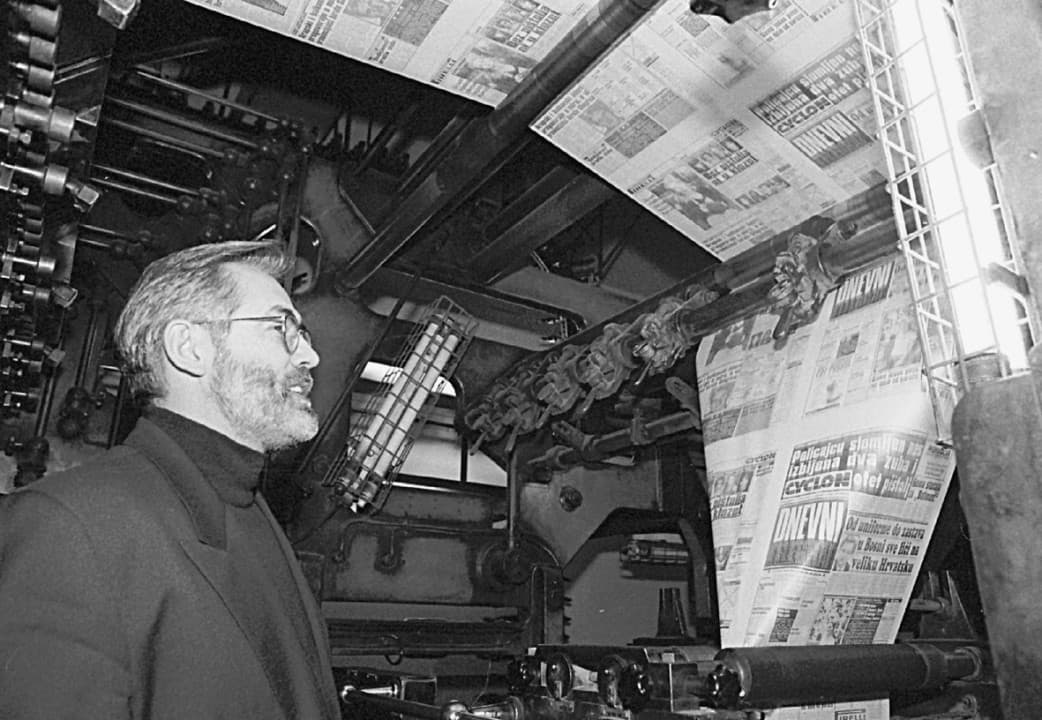
Ćuruvija, a well-known critic of the Milošević regime, was shot dead in front of his building in downtown Belgrade on April 11, 1999, during the NATO bombing of Yugoslavia. In the days leading up to his murder, he was under surveillance by members of the state security. The daylight murder became one of the most emblematic cases of impunity for the killing of journalists in the Balkans.
Twenty years later, in 2019, four former members of Serbian intelligence and security services were finally found guilty of planning and executing the murder, resulting in a conviction. Total prison sentences of 100 years were confirmed in 2021. However, after a retrial, in February 2024, the Appeals Court in Belgrade overturned the convictions and acquitted the four defendants.
In October 2025, the Supreme Court ruled that significant violations of the provisions of the criminal procedure had occurred during the retrial, including the unjustified dismissal of key testimonies. The Supreme Court's decision was published only in January 2026. Although this decision established the existence of significant legal violations in the acquittal ruling, appeals are no longer possible under Serbian law.
Impunity for the murder of Ćuruvija, as well as for the murders of Dada Vujasinović and Milan Pantić, represents a shocking example of the ongoing failure of the criminal justice system to ensure accountability for unsolved murders of journalists in Serbia, but also a symbol of the broader erosion of the rule of law in the country and the inability of the authorities to protect journalists.
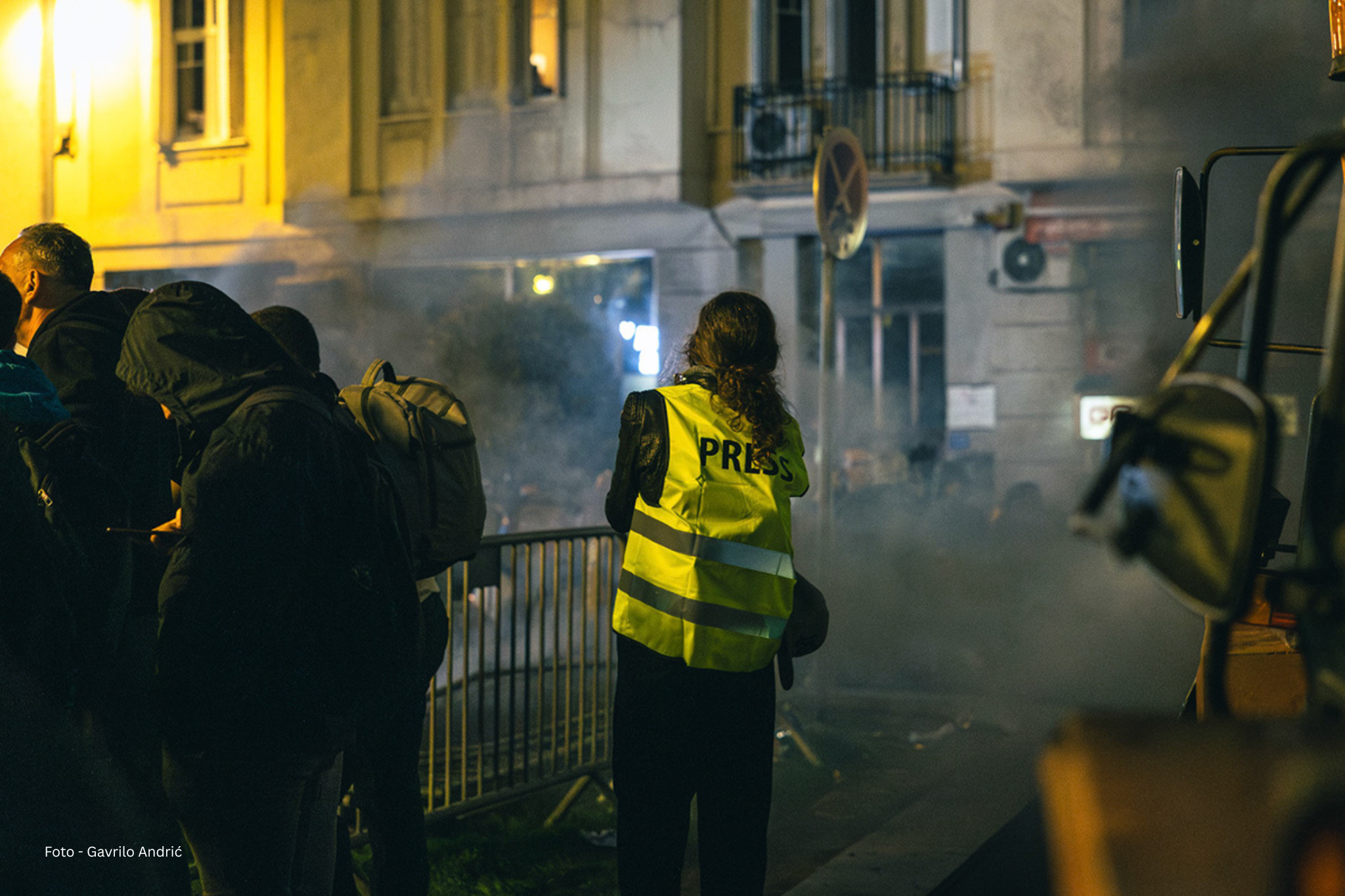
Despite a significant increase in the number of physical attacks, death threats, and intimidation of journalists over the past year, which places Serbia among the countries with the highest number of such cases in Europe, only three convictions were reached in 2025. This shocking statistic indicates a broader erosion of the journalist protection system. This is further exacerbated by the hostile and irresponsible rhetoric towards independent journalists from high-ranking state officials.
After the mission on March 26 and 27, organized within the Platform of the Council of Europe for the Safety of Journalists and Media Freedom Rapid Response (MFRR), we warned that the current climate for the safety of journalists remains so toxic that the chances of further escalation in the severity of attacks on journalists are dangerously high. Since then, local elections have brought another serious spike in violent attacks on journalists reporting from the field.
On the anniversary of Ćuruvija’s murder, we again call on the state of Serbia to fulfill its responsibility to end the impunity for the murder of Ćuruvija. At the same time, the authorities must take coordinated measures to stop the cycle of violence against journalists in the country, to contribute to reducing tensions and hostility by their example, and to ensure that the mechanisms for protecting journalists function properly. If the authorities fail to act, they will bear significant responsibility for any future attacks or murders of journalists.
In the coming weeks, our organizations will publish a post-mission report with recommendations to stop this dramatic decline in media freedom in Serbia, which will be submitted to state officials as well as international bodies, such as the European Union, the Council of Europe, and the OSCE.
As the Slavko Ćuruvija Foundation continues its legal battle for justice, faced with defamation lawsuits from the now-acquitted defendants, our organizations reiterate their support for their decades-long fight for justice and all efforts to ensure accountability for this crime. As we remember Ćuruvija, we remind that no journalist deserves to be intimidated, silenced, attacked, or killed for doing their job of questioning and holding power accountable.
Signatories:
ARTICLE 19 Europe
European Federation of Journalists
Committee to Protect Journalists (CPJ)
European Centre for Press and Media Freedom (ECPMF)
Free Press Unlimited (FPU)
Index on Censorship
International Press Institute (IPI)
Balkan Observatory for Caucasus and Trans-Europe (OBCT)
Reporters Without Borders (RSF)
Source: Cenzolovka
Related Articles

Journalistic associations provided support to the editorial team of Nova.rs: Ongoing communication and updates with international stakeholders agreed upon.

Coalition for Media Freedom: Stop Attacks and Harassment of Journalists During the Election Campaign


.png&w=3840&q=75)