

News

Brussels concerned about the targeting of journalist Veran Matić.
The European Commission is concerned about the ongoing campaign to discredit journalist Veran Matić, as well as other journalists in Serbia, a spokesperson for the Commission stated to Radio Free Europe (RFE).

The Vojvodina Secretariat for Public Information has announced media competitions – for projects totaling 45 million dinars less than in 2025.
The Provincial Secretariat for Culture, Public Information, and Relations with Religious Communities has announced today the competitions for co-financing media projects in the field of public information for the year 2026.
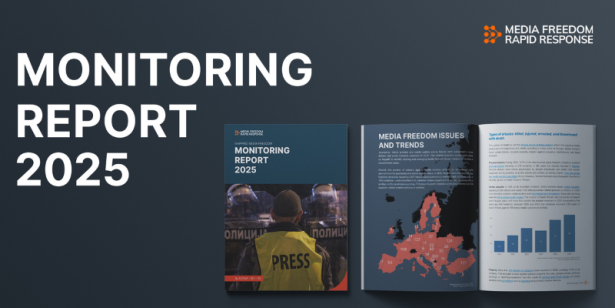
Monitoring report of the MFRR for 2025: 1,481 violations of media freedoms in 36 European countries, with 208 in Serbia.
The Media Freedom Rapid Response (MFRR) platform has published its Annual Monitoring Report for 2025, which states that last year it recorded 1,481 violations of media freedoms, including 208 in Serbia.
New Network of Local Portals, Old Media Control
Each new election year can bring new "phantom" media, while independent journalism will become increasingly difficult to sustain. Without free media that provide informed choices, elections themselves cannot be free. When (and if) local media emerge as projects of power, citizens receive only yet another, new level of managing the perception of reality.

SafeJournalists: The police once again failed to protect journalists during the protests in Serbia – an urgent response from institutions and the international community is necessary.
The SafeJournalists network strongly condemns a series of threats, harassment, and attacks on journalists that occurred in the past few days in Serbia, particularly during the civil protests held on February 16 and 17 in Novi Sad and Belgrade. Instead of ensuring conditions for the safe work of media professionals and protecting citizens, the police once again failed to respond in a timely and effective manner to the attacks, while in Belgrade, certain police members pushed, insulted, and attacked journalists, using the most vulgar language.
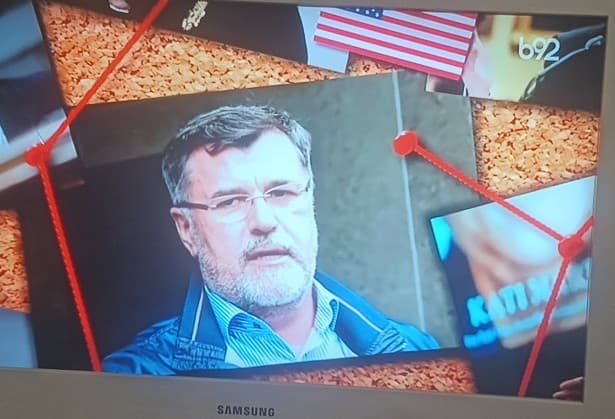
What the search for a photograph of Veran Matić revealed about the Center for Social Stability and the film "Evil Age 2."
The viewer cannot easily recognize that the photograph of Veran Matić pinned to the bulletin board in the film "Evil Era 2 – The Creation of Propaganda" was taken at the site of the murder of Slavko Ćuruvija on Svetogorska Street in Belgrade.
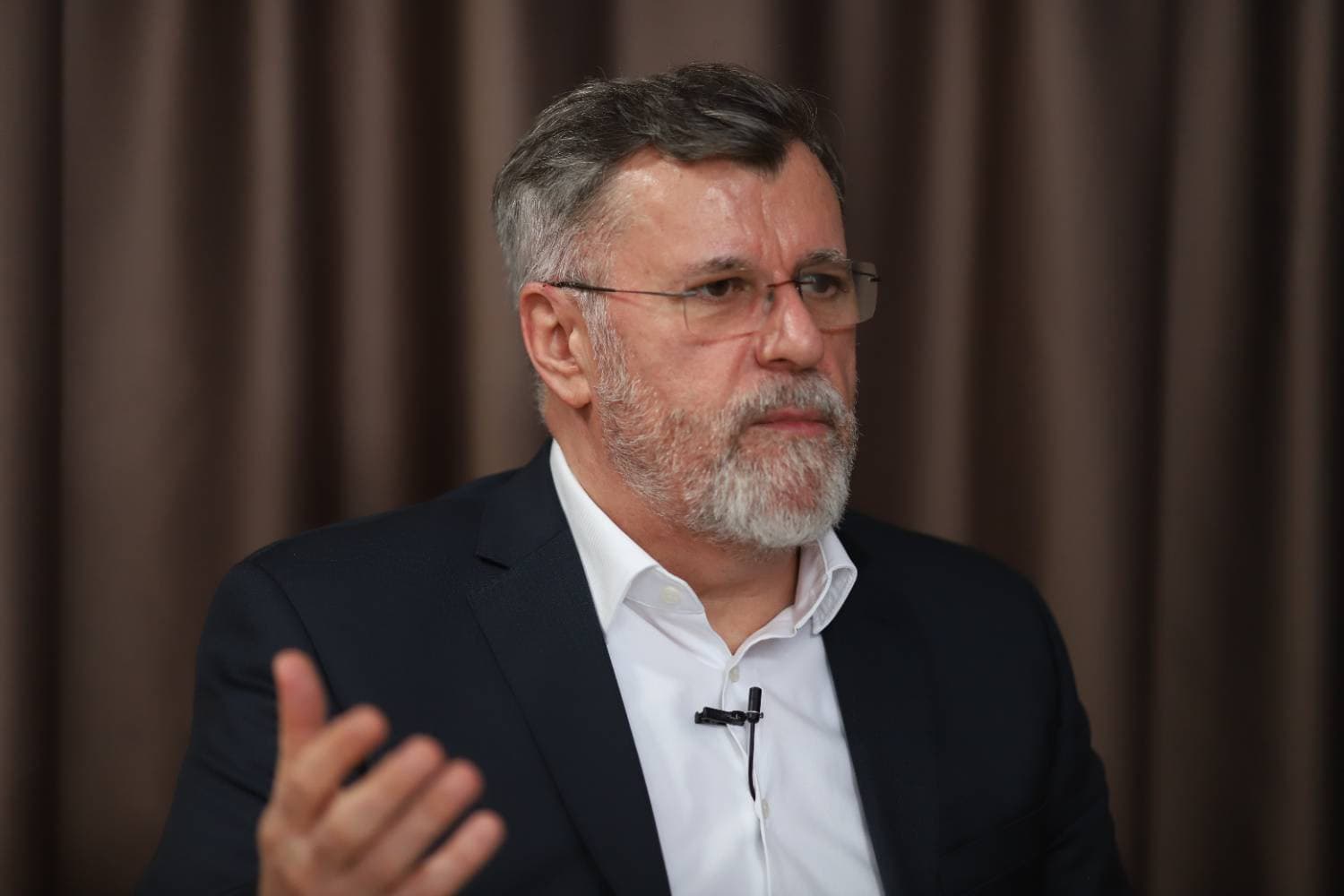
Interview with Veran Matić: We are seen as the last obstacle to fully darkening Serbia.
Journalist Veran Matić has been a media constant in Serbia for over four decades, both as a journalist and as a representative of professional associations. He is currently the President of the Board of the Association of Independent Electronic Media (ANEM) and is also one of its founders. He serves as the director of Samizdat and the editor-in-chief of the portal javniservis.net, and he leads the humanitarian foundation Fond B92. To ensure that the case of the comedian is not an isolated incident, it is worth mentioning that the television network he co-founded and partially owns, B92, aired the documentary "Evil Age" by the Center for Social Stability at the end of January, in which Matić was targeted similarly to how Slavko Ćuruvija was before his murder in 1999 and Oliver Ivanović was a few years ago. A literal target was drawn on him, and in addition to B92, "Evil Age" was also broadcast on TV Prva and the most influential cable television, Informer, thereby inundating Serbia with a fabricated story about an old "domestic traitor" and a "foreign mercenary."
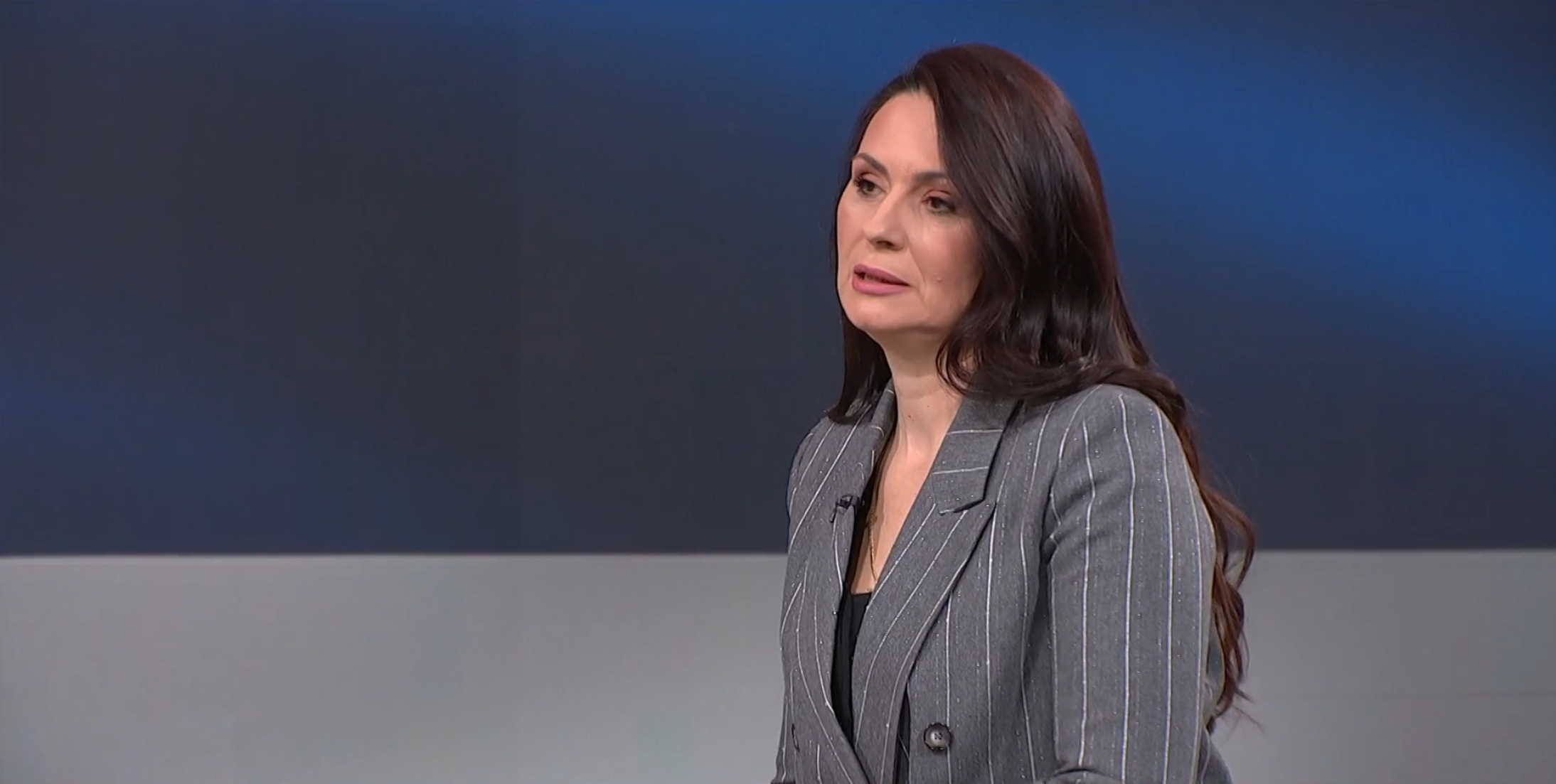
Bojana Mlađenović, acting editor-in-chief of the RTS News Program.
Nenad Lj. Stefanović, the acting editor-in-chief and responsible editor of the Informative Program of Radio-Television Serbia, will conclude his contractual employment after 21 years tomorrow, RTS announced.
REM has published a report on the fulfillment of legal obligations for RTS for the year 2024.
The Regulatory Body for Electronic Media (REM) has published a report on its website regarding the fulfillment of the legal and programming obligations of Radio-Television of Serbia (RTS) for the year 2024.
Latest News

Zoomer: WEEKLY SELECTED REVIEW with Verana Matić
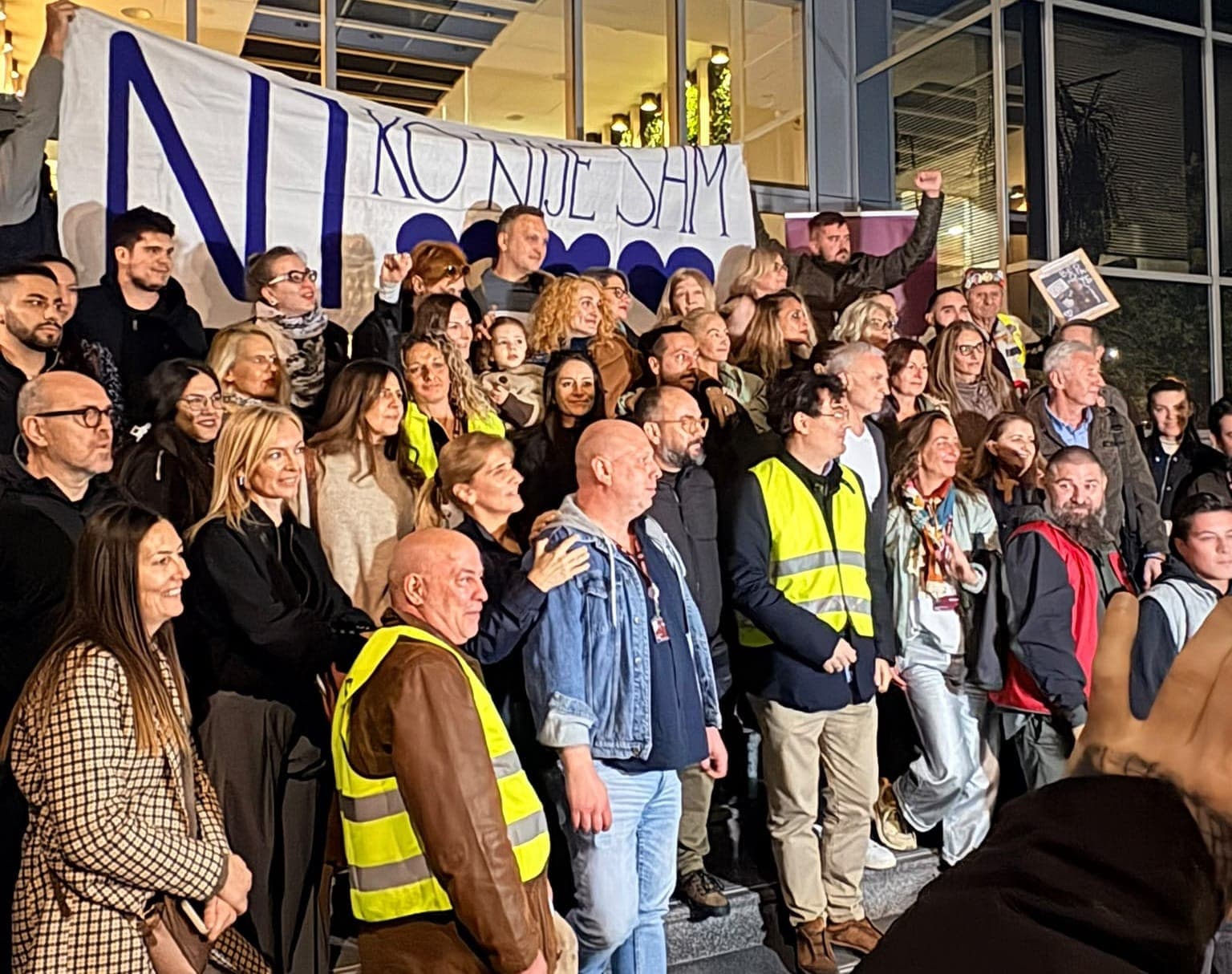
Open letter from the editorial team of Nova.rs to Dejan Kocić, Director of United Cloud: Don’t say tomorrow that you were "just doing your job."
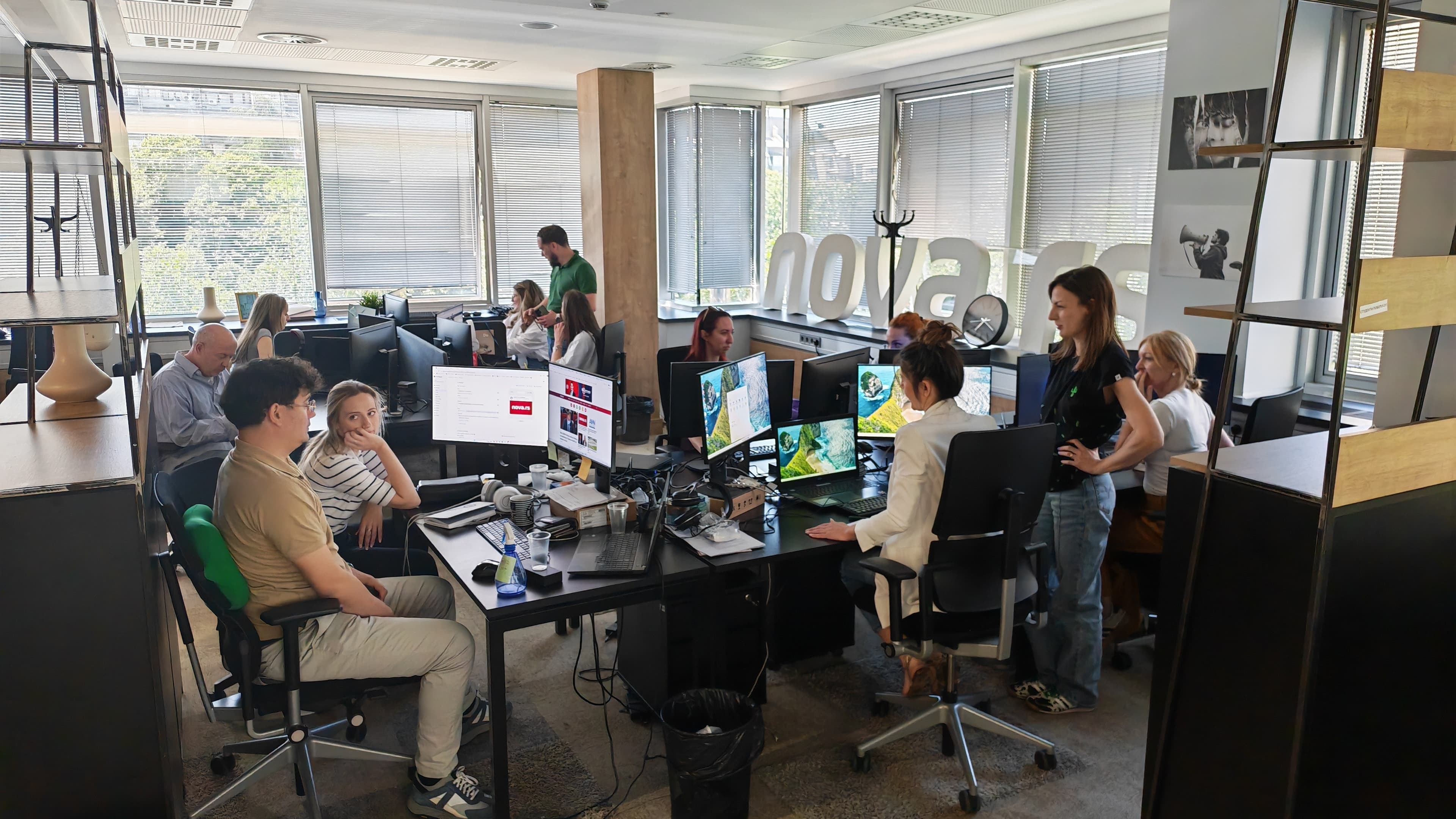
ANEM joins the protest of journalists from Nova.rs.

General Secretary of EFJ: Brutal takeover of the portal Nova.rs, a propagandist imposed as editor in an atmosphere of terror.

The portal tvlim.rs has been registered in Prijepolje - the 13th local media outlet of the tabloid companies Alo and Informer.
.png&w=3840&q=75)