

News
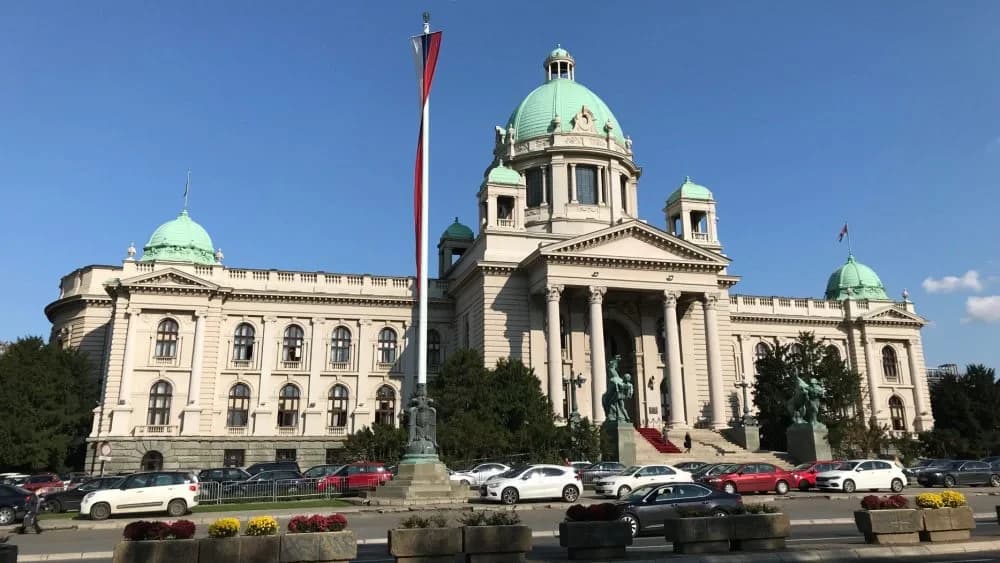
Committee: The new competition for four members of the REM Council has been canceled; there were no applications.
The decision to initiate the procedure for proposing candidates for the election of members of the Council of the Regulatory Body for Electronic Media (REM) dated December 29, 2025, has been revoked, it was decided today at the meeting of the Assembly's Committee on Culture and Information.

"Pančevo, have you collected the funds for the payment of court costs?"
The editorial team of the Pančevo Si Ti portal expressed gratitude to the citizens who, over the past four days, made donations to the bank account of the civil association *Građanska akcija Pančevo*, the founder of this media outlet, to cover the costs of the legal proceedings initiated against them by the media worker from Vršac, Aleksandar Čupić.

The Radar account on Instagram has been permanently disabled, and the editorial accounts of Nova have been temporarily suspended.
Three accounts on the social media platform Instagram, owned by the editorial team of Nova, have been temporarily suspended today, while the account of the Radar portal on the same platform has been terminated.
A new portal by Slavko Stijaković has been registered: He received funding for 117 projects for 30 media outlets in 2025.
On January 16, a new local media outlet, the Božur portal, was registered in the Media Register of the Business Registers Agency (APR), based in Gračanica, Kosovo. This is yet another media outlet owned by retired officer Slavko Stijaković, who owns a network of local media in Serbia.
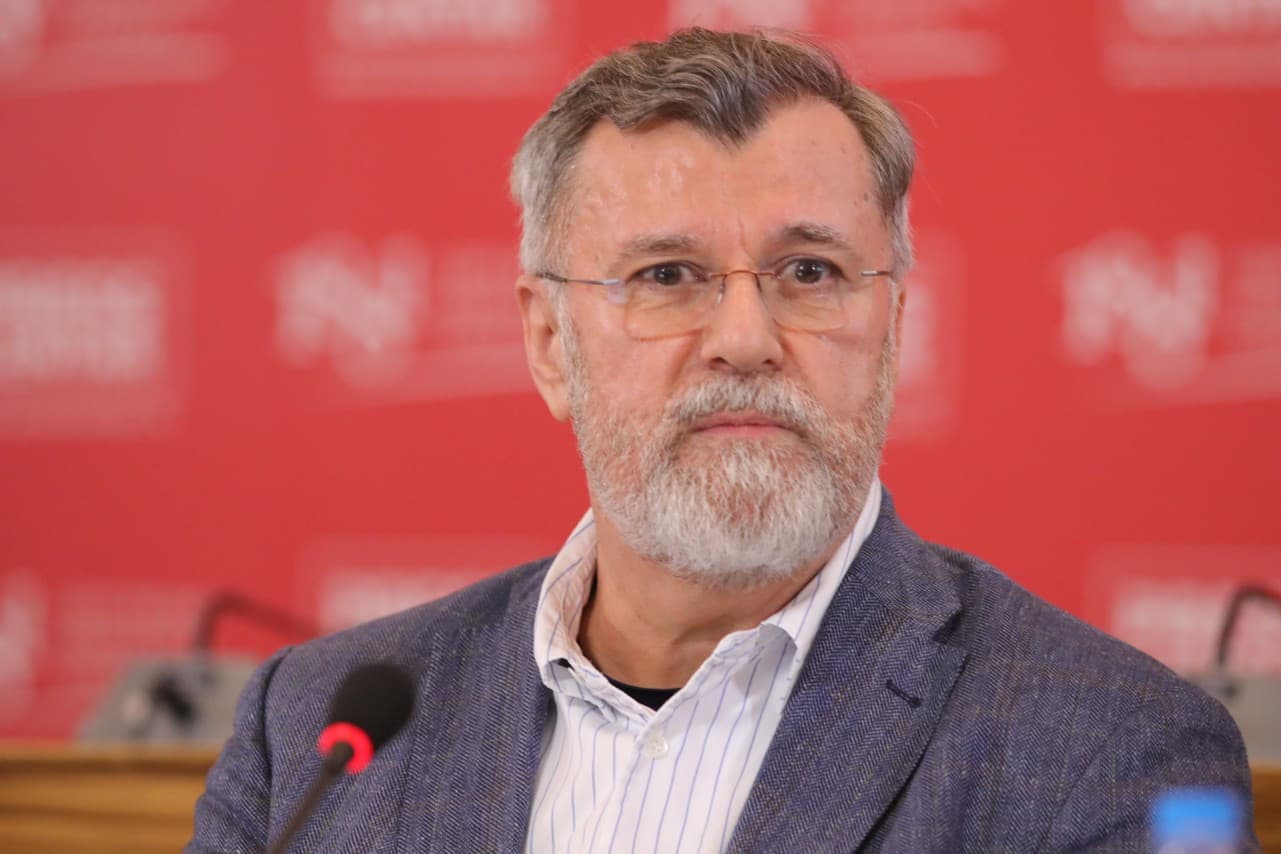
Veran Matić: There has never been any genuine desire from the authorities for a functional REM Council.
The Chairman of the Board of the Association of Independent Electronic Media (ANEM), Veran Matić, stated for NIN that the association has publicly declared that it will not respond to the Public Call of the Committee for Culture and Information and will not propose a candidate for a member of the REM Council.
Alo has acquired the local television stations TV-5 and Lav Plus from Užice, and has established two additional companies.
Television 5 and TV Lav Plus, both from Užice, changed owners on January 13 and 14 of this year and are now owned by the company Alo Media System, which publishes the daily newspaper and portal Alo, as stated in the data from the Business Registers Agency (APR).
SafeJournalists: Threats against Vuk Cvijić and the editorial team of Radar in Serbia must be urgently investigated and sanctioned.
The SafeJournalists network strongly condemns the threats directed at journalist Vuk Cvijić and the editorial team of the weekly magazine Radar through comments on this media's website.

Eco Guard: We have no connection to sending threats to the media.
Statement from the organization Eko Straža regarding the announcement and publication "ANEM ALARM: Threats to the media that their social media will be shut down if they write negatively about the president":

Call for Applications: Grant for Participation in Dataharvest 2026
Are you a journalist interested in participating in Dataharvest – the European Conference on Investigative Journalism in May 2026? Would you like to take advantage of advanced training, networking opportunities, and establish contacts with editorial teams across Europe? BIRN, in partnership with the conference organizers, the Arena for Journalism in Europe, and with the support of the ERSTE Foundation, invites interested journalists to apply for a grant that can help make this experience accessible.
Latest News
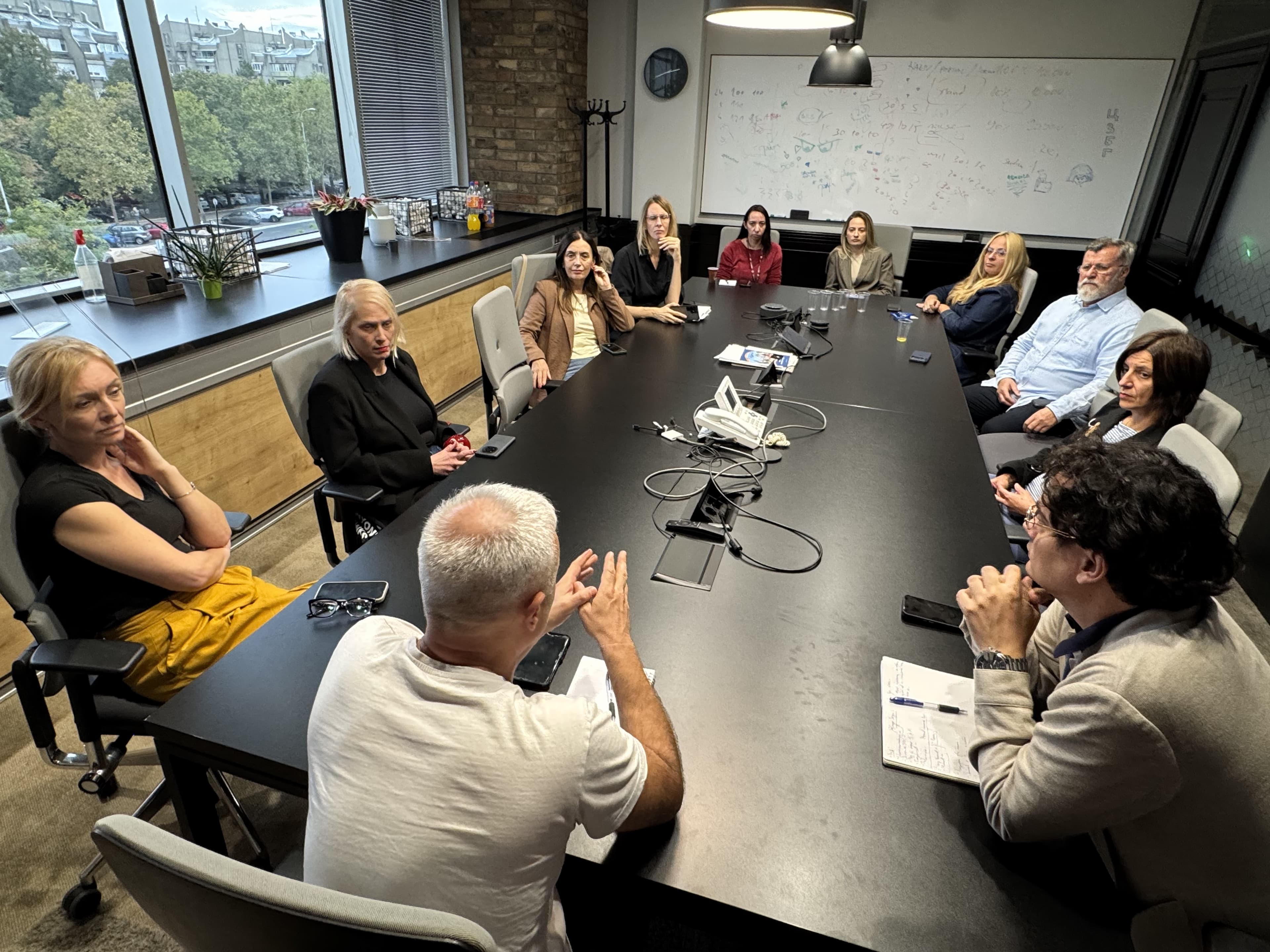
Journalistic associations provided support to the editorial team of Nova.rs: Ongoing communication and updates with international stakeholders agreed upon.
ANEM ALARM: Zoomer journalist hit in the head, received insults instead of protection from the police.

ANEM ALARM: "Ethnic blood cells are being counted again" - threats to a journalist following reporting on the SNS
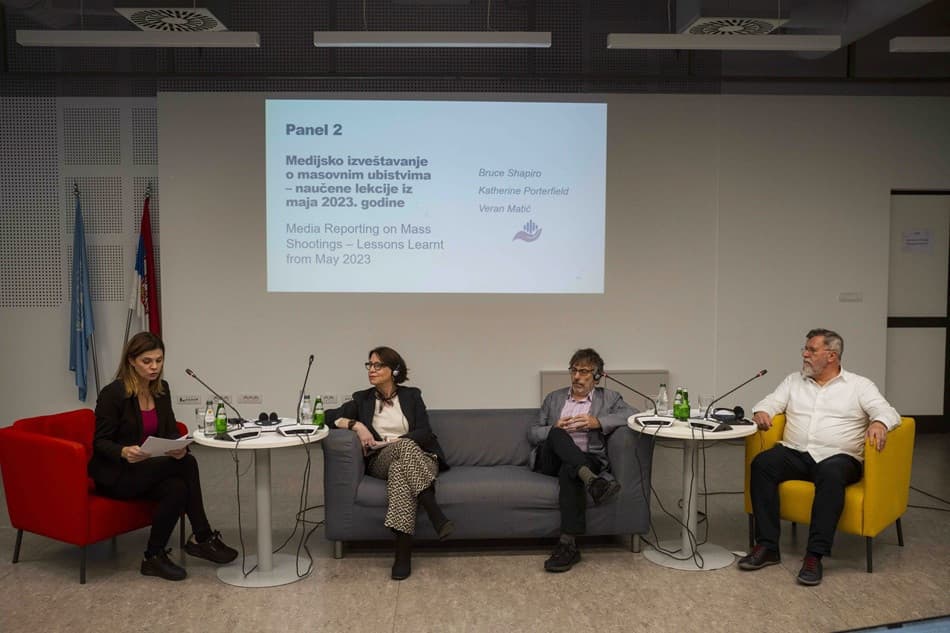
Trauma-Informed Journalism: How to Report Responsibly on Crisis Situations and Traumatic Events

Coalition for Media Freedom: Stop Attacks and Harassment of Journalists During the Election Campaign
.png&w=3840&q=75)